

Have you ever wondered if retail banking is about to change completely? Today, many banks are leaving behind old branches in favor of fast, online services. New technology makes managing your money quicker and simpler, and it’s creating benefits for everyone.
In this piece, we take a closer look at the shifts happening in retail banking. We explore how fresh tools and clever payment methods are changing the rules, giving both tech fans and longtime customers a much better experience.
Principal Innovations Driving Future Trends in Retail Banking
Retail banking is changing fast as banks shift away from the old branch model and move toward digital-first methods that save time and offer ease. Even though nearly half of Americans still visit a branch each month, banks are putting a lot of money into new technology. This push for innovation comes at a time when rules are tighter and the economy is always changing.
Every bank is feeling the pressure to treat customers better. Only about 33% of the largest banks let you finish opening an account online. In response, bank leaders are moving quickly to transform their services so that both tech-minded users and loyal, traditional customers can feel at home. This change shows that people want services that are easy to use, tailored to them, and efficient.
- Digital-first strategies
- Omnichannel experience expectations
- AI-powered services
- Mobile and contactless payments
- Blockchain and DeFi pilots
- Personalized finance solutions
- Sustainability and ESG focus
These innovation drivers are coming together to build the future of retail banking. Digital-first plans and strong multi-channel approaches join forces with AI tools to make transactions smoother and customer service quicker. Mobile and contactless payments mean funds are available instantly, while testing blockchain and new finance ideas is helping banks create secure, efficient systems. Tailored financial solutions offer advice that fits individual needs, and a strong focus on sustainability and ethical practices ensures banks do good by their communities. In short, as these forces mix together, banks are better equipped to handle strict rules and a shifting economy, providing a blend of modern tech and a personal touch that customers really appreciate. Overall, clear progress is on the horizon.
Digital Transformation Strategies in Future Retail Banking
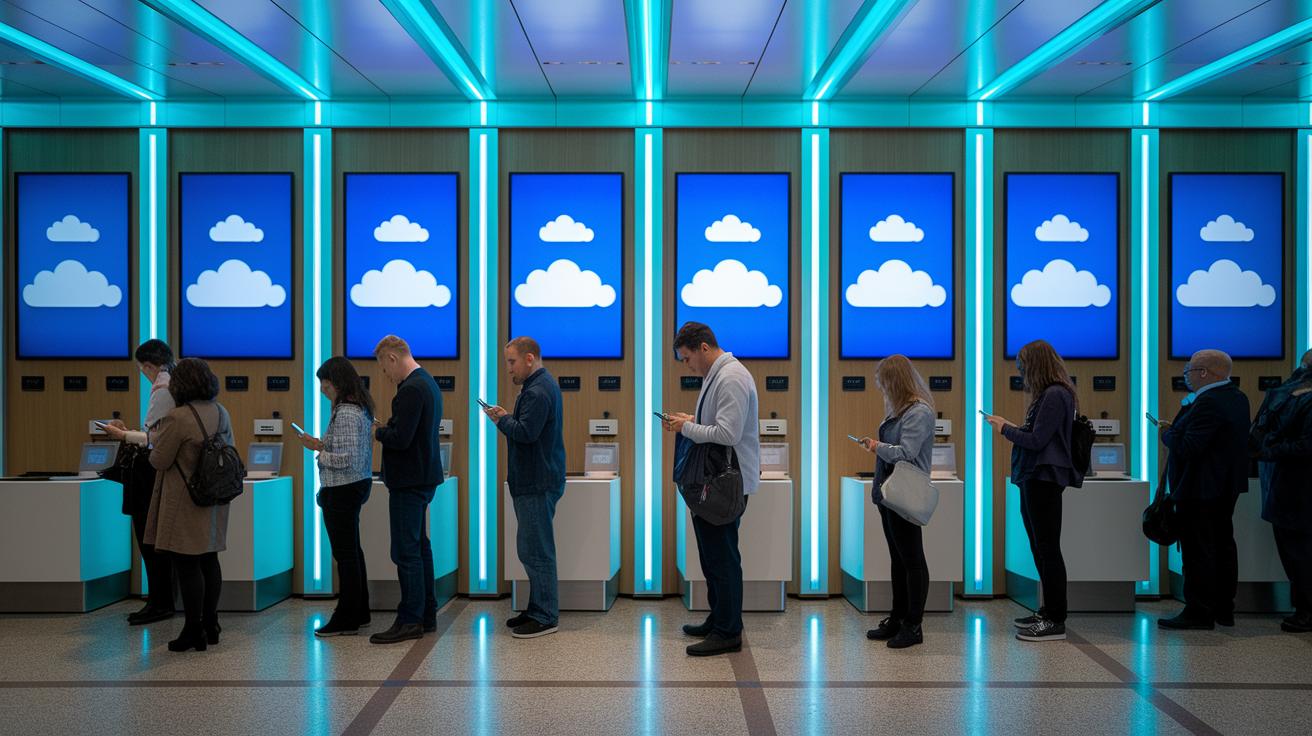
Many banking customers feel left out because many banks can’t offer a full online account setup. Only about one in three top banks let you open an account completely online. As a result, people end up with extra steps and delays that just frustrate them. This shows how urgent it is for banks to embrace new digital ways that meet modern expectations. The need for quick and clear digital upgrades is growing fast.
Banks today are moving their data and apps to the cloud. In simple words, this shift means putting your information on flexible online servers that cut costs and work more reliably. They’re also using open APIs, which are safe ways for outside developers to add extra services without risking security. Sharing data openly between banks makes it easier to get quick approvals, with fewer slow and unnecessary steps. Plus, real-time processing means every transaction and update happens instantly. Before digital transformation, outdated systems would seriously slow down customer service.
Together, these digital changes help create a smoother banking experience. The cloud makes sure systems can handle busy times without breaking a sweat, and open APIs link to new apps that offer personalized financial tools. Open data sharing aligns different services so that your journey is consistent from start to finish, while real-time processing takes care of every transaction right away. Each step not only eases customer frustrations but also builds a strong foundation for banks to keep up in today’s fast-changing world.
AI and Automation Redefining Future Retail Banking
Banks are starting to adopt AI and robotic process automation to better serve their customers. Experts say this technology might boost productivity by 22 to 30 percent and could raise revenues by around 6 percent. This means faster approvals and lower costs for you. For instance, with automated loan underwriting up to $250K, decisions happen quickly while AI tools might even cut card delinquency rates by 32 percent. Still, about 64 percent of customers go to branches for help, showing that digital systems still need to be smoother.
Automated Credit and Underwriting
Banks now use AI to quickly score loans and judge risks. New systems can give an instant yes or no on a loan by looking at your financial data right away. Imagine applying for a loan and getting a decision almost immediately. These tools not only speed up the process, but they also cut down on human mistakes and add more clarity to the decision.
Predictive Analytics for Risk Management
With predictive analytics, banks can forecast who might default and adjust their offers to suit your profile. They study customer behavior and market changes much like checking the weather before a picnic. This helps them prepare for financial surprises and create products that can handle rough patches, benefiting both you and the bank.
Intelligent Fraud Detection
Banks use machine-learning systems that keep an eye on transactions all the time, much like a home security system that alerts you when something is off. By spotting unusual activity quickly, these systems help stop fraud before it grows, giving everyone a bit more peace of mind.
Together, these AI and automation tools are creating a more connected and responsive banking experience. By blending quick credit scoring, careful risk forecasting, and sharp fraud detection, banks are working to provide you with services that are not only faster and more reliable, but also safer.
Mobile Finance Innovations and Contactless Services
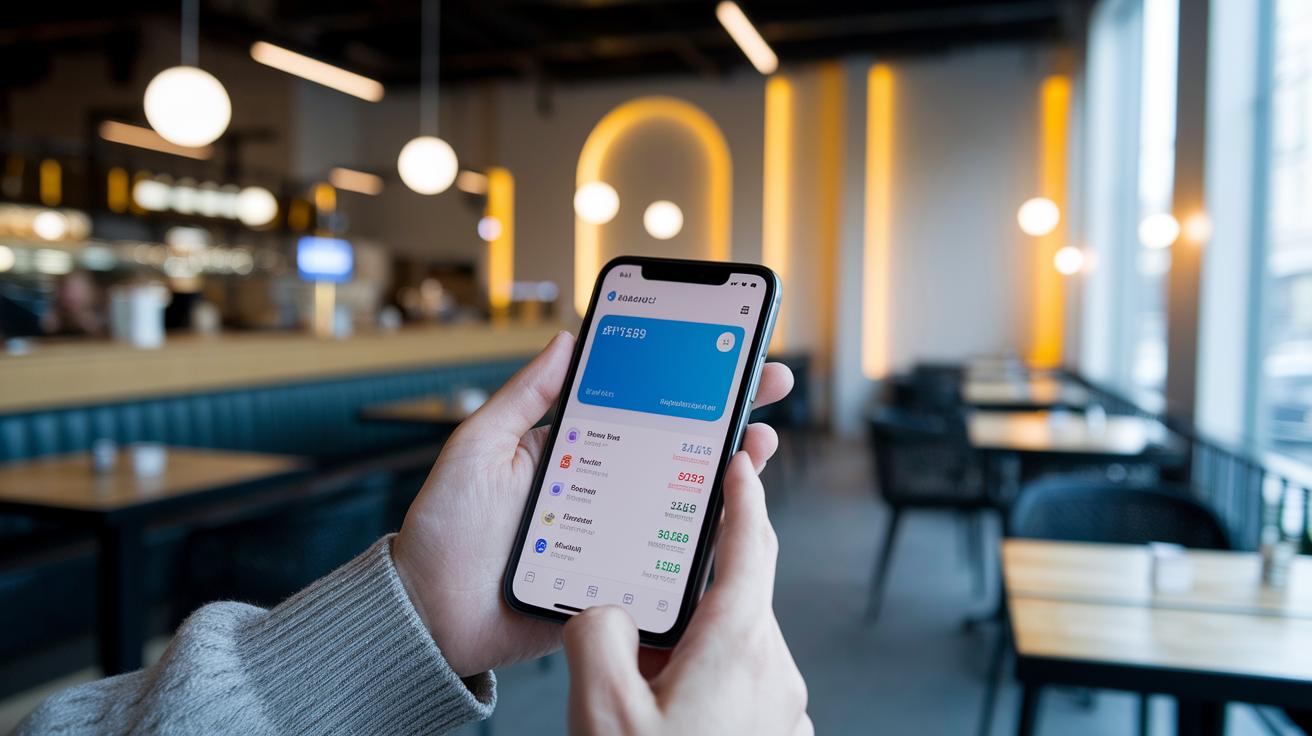
Mobile banking is reshaping how we handle our money every day. Think of it as having your bank right in your pocket. Many people now use mobile banking for around 150 interactions every year, showing that these apps are not just an extra feature, they’re a key way to manage finances.
Digital wallets are becoming more popular as a secure, easy way to make transactions. For example, about 45% of weekly mobile actions involve checking balances while 31% are used for money transfers. Banks are expanding their digital wallet tools so you can manage your money smoothly and without hassle. Imagine it like having an instant bank branch on your phone, giving you more control and convenience every time you need it.
At the same time, contactless payment methods are growing fast. Near Field Communication, or NFC, transactions have jumped by 48% over the past year. New ideas like voice-activated banking and payments through smart watches are starting out in tests. These fresh ways to pay promise a hands-free experience that makes managing money feel natural and easy, setting the stage for a more connected everyday banking experience.
Blockchain and DeFi Applications in Future Retail Banking
Blockchain and decentralized finance are changing the way money moves in banks. In early tests, transferring funds directly has cut fees by as much as 60%. These tools are turning from experiments into practical ways to handle money faster and with more clarity.
Smart contracts are one example. They are like self-running digital instructions that finish tasks in just a few hours instead of days. Banks are also trying out asset tokenization, a method that makes trading and keeping records clear and speedy. These changes help make financial services both efficient and easier to use.
| Use Case | Benefit | Adoption Stage |
|---|---|---|
| Peer-to-peer transfers | Cut fees by up to 60% | Pilot stage |
| Smart syndicated loans | Settlement shortened from days to hours | Pilot stage |
| Asset tokenization | Enhanced transparency and speed | Experimental stage |
Even though these blockchain and DeFi tools offer big improvements, there are still some technical bumps to work out. Banks must plan carefully to connect these new systems with older ones. Since these technologies are still fresh, there isn’t a clear standard yet. Laws and rules are also trying to catch up, which can make financial agreements feel uncertain. Working through these issues is key to making blockchain a true force in future retail banking.
Personalization and AI-Driven Customer Experience in Retail Banking

Retail banks are moving towards services designed just for you. When a bank truly puts its customers first, it can grow its revenue nearly twice as fast. Still, 64% of customers face digital experiences that don't match across devices. This shows that banks need a smoother, data-led approach that feels naturally responsive.
Virtual advisory tools are a big part of this change. Chatbots powered by AI now answer up to 70% of everyday questions quickly and correctly. They offer helpful advice based on real-time info, making recommendations that fit your spending, saving goals, and lifestyle. Think about it: if you ask, "How can I boost my savings?" you'll get tips tailored just for you.
Interfaces that pick up on your feelings make the banking experience feel secure and caring. Banks watch for small hints in how you interact online and tweak their designs to lessen any frustration. This approach turns your digital experience into something that feels warm and connected.
All these efforts come together with data-driven recommendation engines. They look at your financial habits and preferences to suggest things like budgeting ideas or investment options. This continuous feedback makes your banking experience smoother and more engaging, building trust along the way.
Omnichannel and Branch Reinvention in Future Retail Banking
Physical branches still matter a lot for many customers. Almost half say they visit a branch at least once a month. They value talking to someone in person because it brings comfort and clear answers that online systems sometimes miss. It’s clear that having a face-to-face option sits well with customers even when online banking is convenient.
Many banks are missing a few pieces of the puzzle. Only one-quarter of banking products are available fully online. And around one in four millennials even say they might switch banks for a better branch network. This tells us that while digital tools make things fast, customers still need that personal support and sense of community.
A smart omnichannel plan fixes this gap by blending digital tools with physical spaces. Banks are now making sure that customer data lines up well across all their channels. They use real-time updates and tailored digital screens to support in-branch work, so every interaction feels smooth and connected.
Branches are getting a fresh look too. New designs include interactive kiosks, cozy lounges, and even spaces for community events. These revamped outlets aren’t just for traditional banking, they also host events and workshops. In short, branches are becoming lively spots that meet today’s evolving needs.
Security, Compliance, and Operational Resilience in Retail Banking

Banks today are facing more cyber threats than ever before, which can put your valuable personal information at risk. They’re stepping up their game by strengthening cybersecurity measures and data-privacy practices, kind of like adding a stronger lock to a safe you trust with your most important treasures. With attacks becoming more common and rules about data protection tightening, bank leaders are now prioritizing systems that can handle sudden economic shifts and digital attacks. In other words, by boosting their digital defenses, banks work hard to keep your money and data safe during unpredictable times.
On the compliance side, the world is seeing a major shift too. New regulatory technology, known as RegTech, helps banks keep up with complex legal rules by automating many of the previously manual tasks. Imagine having a digital assistant that takes care of everyday regulatory duties, freeing up staff to focus on serving you better. This smart approach not only cuts down on costly mistakes but also builds a more agile, efficient back-office. With these technological upgrades and a clear focus on digital resilience, banks are well-prepared to handle rapidly changing rules and economic challenges.
Sustainability and ESG Integration in Future Retail Banking
Bank leaders are now seeing sustainability as a key part of their strategy. They understand that ESG, standing for environmental, social and governance matters (basically, how companies care for the environment and people), is more than a buzzword. In fact, more than half of the leaders place ESG high on their list because they know that responsible actions build trust and help the business grow over time. Think of ESG as a breath of fresh air that keeps every transaction rooted in honesty and clear values. This shift in focus is prompting banks to rethink their goals.
Right now, green lending and sustainable investments are booming. These areas are growing at around 25% each year. Meanwhile, more customers are looking for banks that care about ethics; demand for ethical banking has jumped 40% in just two years. Imagine a scenario where a bank offers loans specifically for renewable energy projects or eco-friendly renovations. It’s a simple step toward creating a cleaner future, one that benefits both consumers and local communities. This trend really marks a significant change in the way banks operate.
Looking forward, sustainable banking is poised to become the norm, not the exception. Banks are speeding up their efforts to embed green investments into their everyday services. This means that clients will soon enjoy not only good financial returns but also real environmental benefits. Picture walking into a bank where every product you use contributes to a greener planet. It’s like having your financial account grow while Mother Earth gets a little help too.
These shifts are setting the stage for a new era in banking. As sustainable practices become the standard, every part of a bank's operation will likely incorporate eco-friendly methods. This trend is a clear sign that the industry is moving fast toward growth that’s as good for the planet as it is for its customers.
Final Words
in the action, we saw how banks are bridging digital strategies with seamless mobile solutions, AI-powered services, and blockchain experiments.
The post explored digital transformations, mobile finance innovations, and human-centered customer experiences, all designed to meet evolving financial needs.
We also touched on efforts to improve security, compliance, and sustainable practices.
These highlights help shape an informed investment experience while inspiring you to embrace future trends in retail banking with confidence and optimism.
FAQ
What are the future trends in retail banking?
The future trends in retail banking are marked by digital-first services, omnichannel experiences, AI-enhanced offerings, contactless payments, blockchain tests, personalized financial products, and a stronger focus on sustainability.
<div itemscope itemprop="mainEntity" itemtype="https://schema.org/Question">
  <h3 itemprop="name">What does a future trends in retail banking PDF include?</h3>
  <div itemscope itemprop="acceptedAnswer" itemtype="https://schema.org/Answer">
    <p itemprop="text">A future trends in retail banking PDF typically covers emerging digital strategies, AI applications, mobile finance innovations, blockchain trials, and insights into how customer needs are reshaping services.</p>
  </div>
</div>

<div itemscope itemprop="mainEntity" itemtype="https://schema.org/Question">
  <h3 itemprop="name">What are the future trends in retail banking for recent years (2020-2023)?</h3>
  <div itemscope itemprop="acceptedAnswer" itemtype="https://schema.org/Answer">
    <p itemprop="text">Recent years have seen retail banking shift toward online account opening, cloud-backed platforms, AI-powered decision making, and faster digital transactions that respond to evolving consumer needs.</p>
  </div>
</div>

<div itemscope itemprop="mainEntity" itemtype="https://schema.org/Question">
  <h3 itemprop="name">What is the future of retail banking in India?</h3>
  <div itemscope itemprop="acceptedAnswer" itemtype="https://schema.org/Answer">
    <p itemprop="text">The future of retail banking in India emphasizes mobile innovations, robust digital tools, real-time data integration, and service models designed to broaden access and meet the unique needs of local customers.</p>
  </div>
</div>

<div itemscope itemprop="mainEntity" itemtype="https://schema.org/Question">
  <h3 itemprop="name">What is an example of retail banking?</h3>
  <div itemscope itemprop="acceptedAnswer" itemtype="https://schema.org/Answer">
    <p itemprop="text">An example of retail banking is a bank that offers both traditional in-branch services and a comprehensive digital app for account management, payments, and customer support.</p>
  </div>
</div>

<div itemscope itemprop="mainEntity" itemtype="https://schema.org/Question">
  <h3 itemprop="name">What are the 7 C's of banking?</h3>
  <div itemscope itemprop="acceptedAnswer" itemtype="https://schema.org/Answer">
    <p itemprop="text">The 7 C's of banking refer to key principles like customer focus, convenience, communication, customization, clarity, consistency, and commitment, all aimed at enhancing service quality.</p>
  </div>
</div>

<div itemscope itemprop="mainEntity" itemtype="https://schema.org/Question">
  <h3 itemprop="name">What is the next phase of retail banking?</h3>
  <div itemscope itemprop="acceptedAnswer" itemtype="https://schema.org/Answer">
    <p itemprop="text">The next phase of retail banking will build on advanced digital platforms, integrated AI tools, open data exchange, and sustainable service models that blend traditional banking with modern technology.</p>
  </div>
</div>

<div itemscope itemprop="mainEntity" itemtype="https://schema.org/Question">
  <h3 itemprop="name">What is the next big thing in banking?</h3>
  <div itemscope itemprop="acceptedAnswer" itemtype="https://schema.org/Answer">
    <p itemprop="text">The next big thing in banking is a swift move toward digital transformation with real-time data processing, API integrations, and hyper-personalized, automated financial services designed to elevate customer experiences.</p>
  </div>
</div>
