

Have you ever wondered why banks still use clunky systems even when technology is advancing so fast? Today’s banking software connects every step in a process like a well-practiced dance. APIs, which are tools that help different systems talk to each other, reduce costs and make transactions quicker. This fresh approach turns slow, manual work into a smooth, automated routine. As a result, banks are now able to serve customers faster and smarter, changing the way money moves in our everyday lives.
Delivering Seamless Banking Software Integration Solutions
Banks have one big challenge: getting different systems to work together smoothly. They use special tools called APIs, which are like bridges that let separate software systems talk to each other. This means that whether it’s a simple data entry or a complicated process, everything runs as one smooth operation. Fun fact: before digital tools existed, banks did everything by hand, which made transactions much slower. Today’s advances in integration are rooted in that need for speed and simplicity, driving all the latest innovations in finance.
BMO Financial Group, one of the largest banks in North America, has partnered with FISPAN, a company whose platform handles a whopping $71 billion every year. Together, they launched BMO Sync, a new banking solution integrated directly into everyday systems. This breakthrough not only speeds up processes by automating tasks like compliance checks, onboarding customers, and data entry but also cuts costs. It’s exciting to see how these improvements help banks deliver smooth services to millions of customers while paving the way for future growth.
On the tech side, the system uses ready-made connectors, shared data models, and low-code tools that make setting up new API endpoints much quicker. Think of it as adding simple, automated steps on top of a strong middle layer that links everything together. With these automated workflows and secure data exchange methods that follow strict protection guidelines, every transaction stays safe and updates in real time. Even everyday tasks get smarter with the help of AI, creating a future where seamless connectivity becomes the everyday standard.
Key Components of Seamless Banking Integration Architecture
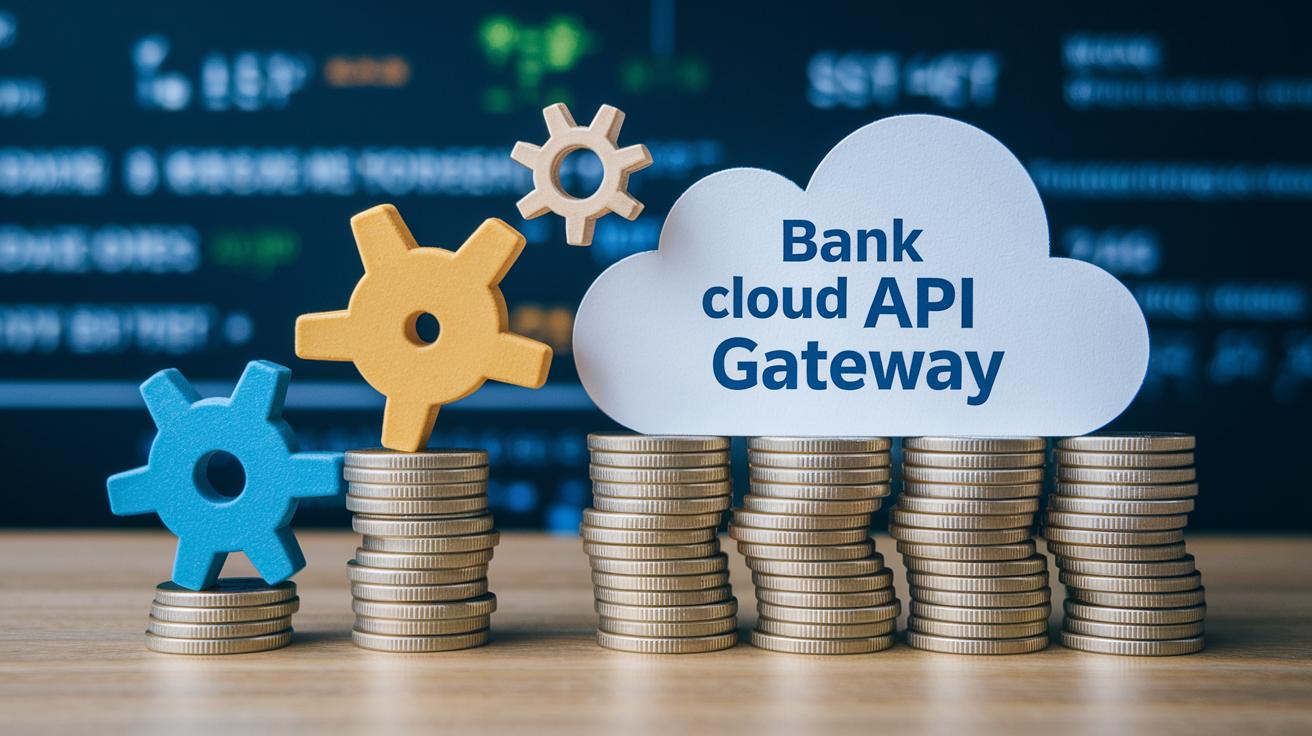
Imagine your banking systems working together like parts of a well-oiled machine. A solid middleware connection acts as the backbone, making sure everything fits and flows. Instead of juggling separate systems, modern setups use ERP-embedded approaches where an API gateway sits on top of middleware orchestration. This method maps data according to BIAN standards (a set of guidelines for banking interoperability) into cloud microservices that update in real time. It connects different systems and makes managing API endpoints easier, letting IT and business teams collaborate with low-code and no-code tools. For example, FISPAN’s platform handles everyday ERP tasks like vendor payments, employee reimbursements, and sending remittance emails, all while keeping security and smooth transactions in focus.
Next, cloud-based automation ties back-office tasks into a modular fiscal technology architecture. This part of the system automatically handles processes such as balance inquiries, transferring funds, and updating bank feeds, so the data stays current at all times. The cloud layer speeds up endpoint deployment and data mapping, ensuring updates are immediate and efficient. In short, this design helps critical financial operations flow smartly and securely across every connected platform.
Best Practices for Automated Banking Software Integration
When you start an automated banking integration project, it's best to begin with a small pilot test using clear key performance indicators (KPIs). This pilot helps your team see how well the system handles tasks like entering data and performing compliance checks with AI. Think of it as dipping your toes in before you take the plunge. At a recent Product Development Excellence in Banking Summit, experts showed how AI can simplify repetitive work. Starting small helps teams improve methods for managing API lifecycles and fixing connectivity issues before they scale up.
Many banks are now turning to low-code and procedural automation strategies. This means that even team members who aren't tech experts can pitch in to build automated solutions. With low-code platforms, banks can quickly roll out new API endpoints, run tests, and add smart error handling features. This way, there is less need for manual checks and more focus on creating efficient, automated processes.
Automated testing and smart error recovery are key for keeping the system reliable. Banks should test integrations continuously so that any glitches are caught and fixed early on. Real-time alerts and feedback allow teams to adjust the integration flow as needed. As banks fine-tune these systems, they create an environment where innovation works hand-in-hand with security. Regular reviews and adjustments keep every aspect of the integration running smoothly, making long-term success a realistic goal.
Comparative Analysis of Top Banking Integration Platforms

Banking is changing fast, and smart integration platforms help banks run more smoothly. These systems connect old and new tech so banks can work better every day. Some companies focus on making platforms run faster, while others bring fresh features for managing money. Imagine a machine that runs perfectly because every part is well connected – that’s the goal here. Providers like Dell Boomi support both old systems and new cloud solutions. Meanwhile, Grand Central by Backbase builds special connectors following banking standards. MuleSoft makes it easy to reuse APIs, and IBM App Connect fits right into the IBM family. Kinective offers ready-made banking tools to speed up setup, and Workato keeps things simple with low-code automation.
| Provider | Key Strength | Banking Focus |
|---|---|---|
| Dell Boomi | Strong support for both cloud and on-premises setups | Refreshes old systems and ties them together |
| Grand Central by Backbase | Bank-focused IPaaS with standard connectors | Links different financial systems |
| MuleSoft | Handles complex setups with reusable APIs | Improves performance and manages financial tasks |
| IBM App Connect | Deep integration within the IBM system | Modernizes old systems with safe data sharing |
| Kinective | Pre-made banking connectors for fast setup | Boosts connections for community banks |
| Workato | Easy, low-code automation with many connectors | Makes agile teams run operations smoothly |
When you look at these choices, you can see that each one has its own perks for different needs. For instance, Dell Boomi helps tie old tech to the modern cloud, while Grand Central by Backbase focuses on banking connectors. MuleSoft and IBM App Connect are great for bigger banks with tough requirements. Kinective’s ready-made tools cut down setup time, and Workato’s simple design is perfect for quick, efficient work.
This side-by-side view makes it easier for decision-makers to match their current needs with future plans. It sets a clear path to creating banking systems that easily adapt to new ideas and challenges. Isn’t it reassuring to know there are options that not only hit today’s targets but are also ready for tomorrow’s innovations?
Secure Data Exchange and Compliance in Banking Software Integration
Banks depend on strong encryption to protect your transactions and personal information. They use multi-layered encryption methods like TLS/SSL, which secure your sensitive data as it moves between systems. Role-based access ensures that only people with the right permissions can reach important parts of the system. Plus, built-in security features like positive pay and encrypted remittance emails help keep every transaction safe. Real-time monitoring is also in place to spot any unusual activity right away. If you're curious about the difference between data privacy and data security, you can read more here: https://dealerserve.com?p=1113.
Banks further strengthen this safety net by keeping a detailed, unchangeable record of every transaction. These audit trails help when something seems off and provide a clear picture during any investigations. Compliance is maintained through strict rules and standards, such as BIAN-based data models and guidelines like PCI DSS, PSD2, and SOC 2, which ensure all regulatory boxes are checked. Advanced fraud detection tools work hand in hand with these measures to reduce risks and keep operations smooth. For example, FISPAN’s ERP-embedded integration meets BMO’s high security standards, showcasing a seamless, compliant flow in banking software integration.
Future-Proof Design Strategies for Scalable Banking Integration

Modern infrastructure relies on containerized platforms and virtual environments that help teams roll out software consistently from development to production. This means banks can expand their systems easily while keeping everything connected with the cloud. For example, containerized microservices let each part work on its own while still fitting together, much like building with LEGO blocks. This setup not only speeds up new feature launches but also makes it simple for banks to handle huge transaction volumes, think billions of dollars managed with smart load balancing and resource allocation.
Real-time dashboards add another smart layer by giving a complete view of every transaction. These monitoring tools track performance changes and quickly flag unusual activity so issues can be fixed on the spot. With a modular design, IT and operations teams can tweak the system as needed without slowing down daily work, keeping everything running smoothly.
By combining containerized setups, live monitoring, and modular design, banks get a system that’s both flexible and robust enough to meet ever-changing market demands. It’s a practical, future-proof approach that grows with your needs, ensuring every part of your banking system is ready for tomorrow.
Final Words
In the action, we explored key components like automated workflows, real-time ledger synchronization, and API communication solutions. The post reviewed cutting-edge examples, such as BMO Sync and FISPAN's integrated platform, to show how efficient connections enable smooth operations across banking systems.
We also broke down crucial security steps and scalable design strategies that help organizations thrive. With seamless banking software integration driving innovation, finding practical solutions remains both within reach and promising for ongoing financial growth.
FAQ
What PDFs explain seamless banking integration and ERP in banking?
The PDF documents on seamless banking integration and ERP in banking detail integration strategies, guidelines, and best practices, helping organizations adopt clear, structured approaches to connect banking systems.
What is a seamless banking software integration example and which is considered best?
The seamless banking integration example shows how systems connect through API layers, pre-built connectors, and automated workflows, delivering a robust, secure solution that many consider among the best options.
What is FISPAN and what does it offer including NetSuite, funding, and support?
The FISPAN platform provides embedded banking integrations, including NetSuite connections, as well as funding and support services, streamlining data exchange and boosting operational efficiency.
What is seamless banking?
The seamless banking concept means uninterrupted connections between banking systems. It enables secure, efficient transactions with automated workflows and real-time updates that simplify complex financial processes.
What are the big 3 core banking platforms?
The big three core banking platforms typically refer to leading systems—often FIS, Fiserv, and Jack Henry—that manage customer accounts, transactions, and other essential banking operations.
What is H2H integration in banking?
The H2H integration in banking refers to host-to-host connections, allowing banks and large business clients to exchange data directly, which improves efficiency and reduces errors in financial processes.
What are the 7 P’s of banking?
The 7 P’s of banking include product, price, place, promotion, people, process, and physical evidence, covering the core elements that banks use to structure services and reach their customers.
