

Have you ever been curious why some banks still deal with outdated, clunky compliance systems? Regulatory technology brings together different tools into one smart hub, much like replacing a jumble of old gadgets with a single, handy device.
It automatically handles tasks like fraud detection, which means spotting illegal activities, and anti-money laundering, or tracking suspicious money flows. This cuts out the tedious work of going through everything by hand and helps reduce mistakes.
By streamlining these processes, banks can quickly adjust to new rules and focus more on growing and improving their services.
How Regulatory Technology in Banking Meets Compliance Requirements

Regulatory technology now brings together separate tools like Valuant, DiCOM Software, and TPG into one smart platform. Think of it as replacing several clunky devices with one handy gadget. Before this change, banks spent countless hours juggling different systems. Now everything runs from a single, streamlined hub.
This platform automates key banking tasks such as lending, creating credit, catching fraud, and handling anti-money laundering rules (AML explains how banks stop money from illegal sources). It takes over many manual tasks, which means fewer errors and more time saved. Imagine an office where a tireless system keeps everything in check so the team can focus on other important work.
It also comes with built-in checks for sanctions and fraud. That means as rules change, the system adapts quickly. By gathering all necessary data in one place, it easily meets updates like CFPB guidelines and CECL, a method for setting aside money for expected loan losses. With this setup, banks can pay more attention to growing their business while keeping compliance concerns under control.
Core Components of Regulatory Technology in Banking

Today, banks rely on smart technology that uses advanced data checks to spot risks like market shifts, credit issues, and even signs of fraud. They use AI tools like the Alfa™ platform to handle busy tasks such as checking for money laundering (AML) and verifying identities (KYC) automatically. In short, work that once took countless manual hours is now managed by clever systems built to reduce risk. This mix of strong data checks and AI makes sure that information flows constantly so banks can quickly respond when new risks appear.
Real-time monitors play a key role here. They watch over transactions, quickly pick up unusual patterns, and alert the bank right away. This helps banks keep a clear record of what’s happening and act on any issues immediately.
Also, blockchain technology adds a layer of trust. Every transaction is recorded in a way that cannot be changed, and smart contracts (automatic agreements that run on code) step in when certain rules are met. This blend of technologies helps boost security and cuts down on the mistakes that can happen with manual work.
AML/CFT Automation
AI-driven systems make it easier to spot suspicious behavior, manage cases, and set up alerts that change as risks evolve. This means banks can shift from just reacting to problems to preventing issues before they grow.
Blockchain Compliance
Using blockchain creates a tamper-proof ledger. Here, smart contracts step in when specific conditions are met, giving a clear trail for auditors to follow.
Bringing it all together means merging central regulatory data with automatic audit trails and AI-powered risk reviews. This integration makes sure every part of the compliance process works in harmony, providing smooth, accurate reporting while easing the burden on the bank’s compliance teams.
Leading Regulatory Technology Platforms in Banking

Big players like Abrigo and the Alfa™ Platform are changing the way banks handle compliance. Abrigo bundles tools like Valuant, DiCOM Software, and TPG into one neat risk-management and growth solution. This setup lets banks easily automate tasks like lending automation, money-laundering checks (AML/CFT), and fraud detection. Thanks to its clear, easy-to-use design, both small community banks and large financial groups can quickly use these smart regulatory tools.
| Platform | Core Functions | Integration Highlights |
|---|---|---|
| Abrigo | Lending automation, AML/CFT, fraud detection | Centralized data, expert support |
| Alfa™ Platform | AI-based AML/KYC, risk analytics | Blockchain ledger, smart contracts |
With these next-generation oversight tools, banks get clear risk analytics and a streamlined way to meet regulatory rules. The design is made to grow with you, so even when new rules come in, daily banking can keep on running smoothly. By bringing data together and offering built-in expert support, banks spend less time on manual checks and report regulations quicker. Plus, the system works well with both modern FinTech setups and older systems. All in all, with smart alerts, ongoing fraud checks, and automated case handling, banks can face today’s challenges while being ready for tomorrow.
Implementation Challenges of Regulatory Technology in Banking
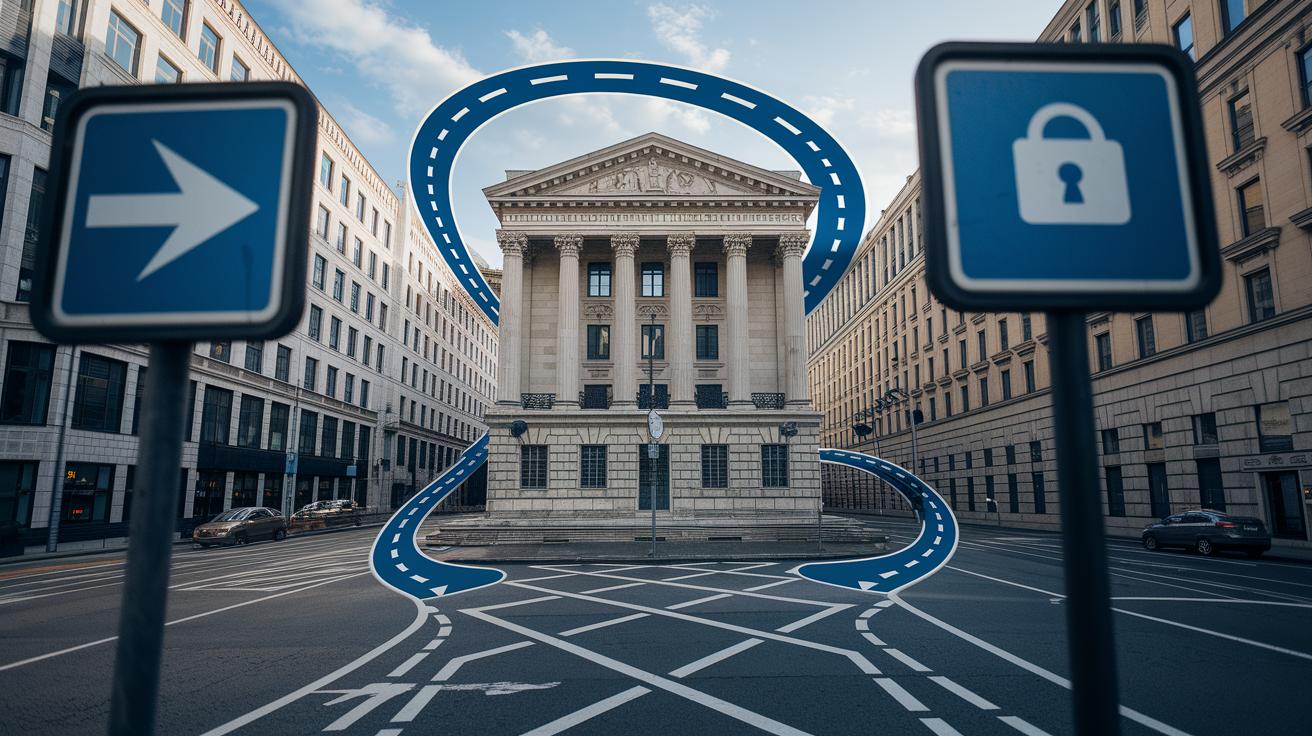
When banks work across borders, they often run into confusing rules. It’s like getting directions from two different friends, one says turn left, while the other says turn right. A bank in Europe might do everything right there but still struggle with North American rules. This mix-up means that matching policies across regions can be a real headache.
Cybersecurity is another big worry. Banks face new threats every day, and they have to keep updating security measures like encryption and access controls. Imagine a vault that needs constant upgrades to block clever burglars, banks need to keep their security tight to protect sensitive information.
Mixing new regulatory tools with older systems is also challenging. Banks usually try to integrate modern technology with their existing operations, but this process can slow things down. It’s like trying to blend a fresh recipe with old ingredients, it takes extra time and care to get it right.
Finally, choosing the right vendor is key. Banks must look closely at what each provider offers and see if it fits their unique needs. This careful check helps ensure the new technology supports their overall compliance strategy without adding unnecessary complexity.
Benefits of Regulatory Technology in Banking for Risk Management

We go beyond basic automation to show how tech improves risk management in real, measurable ways. For example, one bank saw a 20% drop in compliance mistakes in just the first three months, which saved them a lot of money.
- Automated checks for money laundering (AML) and customer identity (KYC) cut down on human mistakes
- Real-time monitoring catches fraud quicker
- A central data hub makes reporting much smoother
- Scalable solutions grow with your needs and adjust when rules change
- Expert support lowers costs on training and upkeep
Overall, these improvements bring clear, long-lasting returns on investment by cutting compliance costs and boosting overall efficiency.
Future Trends in Regulatory Technology in Banking

Blockchain and smart contracts are quickly changing how banks handle compliance. Think of blockchain like a clear and unchangeable record book that shows every step of a transaction. This cool tool not only makes checking easier but also builds more trust in how banks operate.
AI is also stepping in as a real game changer when it comes to spotting risks early. Banks now use smart computer systems to go through huge amounts of data in real time, kind of like a weather forecast for financial rules. This means they can see potential problems before they become big issues and adjust their plans fast.
Then there are high-speed automation platforms that update policies without missing a beat. By mixing in automated controls with regular feedback, banks can keep their systems strong even when rules change. These new digital tools make everyday checks simpler and help banks plan strategically in a fast-moving world. All in all, these trends are setting a strong foundation for long-term compliance in banking.
Final Words
In the action, this article showcased how unified platforms and process automation ease compliance through smart tools and centralized data management.
It touched on platform consolidation, risk management enhancements, and the challenges of integrating new systems with legacy methods.
Look ahead with confidence, knowing that regulatory technology in banking is set to keep evolving for a more efficient future.
FAQ
Frequently Asked Questions
Q: What is regulatory technology in banking?
A: Regulatory technology in banking refers to tech solutions banks use to manage compliance. It automates tasks like monitoring transactions and enforcing rules, saving time and reducing errors.
Q: What does regulatory technology mean?
A: Regulatory technology means using automated software to help banks follow complex rules. It streamlines data management and risk detection for smoother compliance processes.
Q: What are some regulatory technology examples?
A: Regulatory technology examples include platforms that automate AML, KYC, and fraud detection. These solutions use advanced analytics and blockchain for secure, real-time monitoring of banking operations.
Q: Why is regulatory technology important in banking?
A: Regulatory technology in banking is important because it cuts costs, minimizes human error, and centralizes compliance data. It also offers proactive risk alerts, ensuring banks stay ahead of regulatory changes.
Q: How did regulatory technology evolve by 2022?
A: In 2022, regulatory technology evolved to include AI-driven analytics and blockchain capabilities, which improved real-time monitoring, automated compliance tasks, and better integration of regulatory platforms.
Q: What are RegTech companies?
A: RegTech companies provide solutions that automate compliance and risk management in banking. Their platforms integrate advanced analytics, blockchain, and AI to help institutions meet complex regulatory standards.
Q: Which regulatory technology do financial institutions use for compliance?
A: Financial institutions use tech that automates AML, KYC, fraud detection, and sanction screening. These solutions combine AI, blockchain, and real-time monitoring to ensure consistent compliance with evolving regulations.
Q: What is the regulatory framework in banking?
A: The regulatory framework in banking encompasses the rules and guidelines banks must follow. It uses tech tools for constant monitoring, risk assessment, and automated compliance to simplify adherence to these rules.
Q: What are the benefits of regulatory technology?
A: The benefits of regulatory technology include automated processes, real-time alerts, centralized data, reduced manual errors, and lower compliance costs. These features help banks operate efficiently and avoid fines.
