
Tired of waiting in line or dealing with mountains of paperwork just to check your balance? Digital-first banking brings your bank to your phone, so you can manage your money anytime without the hassle. You get quick updates and a friendly, personal touch that makes handling transactions feel simple and secure. In today’s fast-paced world, using your phone for banking not only makes your day easier but also puts you in control of your finances.
Benefits of Shifting to a Digital-First Approach in Banking
Digital-first banking means doing your banking mostly online using websites and mobile apps. Instead of dealing with stacks of paper or making a special trip to a branch, you can check your balance, pay bills, or transfer money at any time. Banks are moving toward this approach because it offers transactions that are faster, safer, and easier to manage.
Both customers and banks gain from this change. You get instant access to your account and real-time updates, which makes managing money straightforward. On the other hand, banks save money by cutting back on physical branch costs. It’s a modern way of banking that fits neatly into our busy lives.
- Instant access to account information anytime, anywhere.
- 24/7 ability to handle transactions without interruption.
- Personalized insights powered by AI that help with decision-making.
- Better access for customers in remote or underserved areas.
- Cost savings from using fewer physical branches.
- Streamlined services that make everyday transactions more efficient.
These benefits are designed to make banking simpler and quicker. With digital-first banking, everyday tasks become less stressful and more in tune with the pace of modern life, all while laying a solid foundation for future financial innovations.
Comparative Deep Dive: Digital-First and Traditional Banking Systems

When you look at how we bank nowadays, the change is pretty striking. Old-school banking means making trips to the branch, dealing with heaps of paperwork, and sometimes waiting in a long line. On the other hand, digital-first banking uses online channels to simplify these tasks quickly and securely. Have you ever noticed how much faster and more convenient online banking is? It cuts out the delays and hassles tied to traditional ways of doing things.
| Task | Traditional Process | Digital-First Process |
|---|---|---|
| Checking Balances | Typically involves a branch visit or an ATM check; updates can be slow. | You can see your balance instantly using mobile apps or online portals. |
| Fund Transfers | Usually requires filling out forms or making an in-person request, which takes time. | Online transactions process immediately and are automated. |
| Account Opening | Means completing paper forms and providing physical ID, often done in person. | Quick digital identity checks let you open an account fast. |
| Customer Support | Limited to face-to-face meetings or long waits on calls. | Offers instant responses and real-time help, thanks to integrated systems. |
Digital banking clearly speeds up many of these everyday activities by cutting out the need for paper documents and physical branches. Tasks like checking your balance or sending money happen almost immediately. This means a smoother experience that fits our busy lives, where we all expect quick, reliable service. Plus, banks save money too thanks to lower operational costs and efficient cloud-based systems that process transactions in real time.
So, in truth, this modern financial setup matches our fast-paced world perfectly. Digital-first banking meets everyday needs and stays safe and secure, all while adapting quickly to new challenges. It’s like having a financial toolkit that grows with you, making it easier to manage your money no matter what comes next.
Innovations Powering Modern Digital-First Banking
Banks are now using smart computer programs to help you handle your money easily. For example, chatbots can answer your questions right away and even offer tips based on how you spend your cash. And when it comes to predicting your spending, these systems can give advice that fits what you do every day. Imagine you’re about to make a big purchase, suddenly, you get a friendly alert with some ideas to help you decide. It’s like having a helpful buddy at your side who really gets your needs.
Mobile banking has also gotten a big upgrade. Modern apps now show you real-time information on your accounts and send instant notes when something important happens. They make it simple to pay for your favorite things without the hassle of cash or cards. Picture a dashboard that’s as easy as checking your phone for messages. With clear menus and quick feedback, managing your money feels straightforward and designed just for your busy life.
New tools using blockchain are making international money transfers smarter too. Blockchain works like a public book that records every move, which means lower fees and better checks against fraud. With this secure system, banks can speed up transactions and keep everything honest and clear. Studies show that mixing blockchain with smart analytics not only smooths out payments across borders but also helps spot tricky fraud before it becomes a problem.
Ensuring Security and Compliance in Digital-First Banking Experiences

Today’s digital banks work hard to keep your money and personal information safe. Big banks invest in advanced scrambling methods (encryption that turns your data into a secret code), secure tokens, and round-the-clock checks that act like a smart alarm system. They also use fingerprint and facial scans to double-check your identity, making it much harder for anyone unauthorized to get in.
Fraud Prevention Mechanisms
Banks use strong scrambling techniques to protect your data, so even if it’s intercepted, it stays unreadable. They rely on systems that watch every minute of every day for unusual patterns. When these systems spot something odd, they send out an alert almost instantly, stopping potential fraud before it grows. Together, these measures work like a safety net that keeps every digital transaction secure.
Compliance and Regulatory Automation
Automated processes now handle important checks like verifying who you are and ensuring money isn’t coming from shady sources. This speeds up everything and creates a detailed record of each transaction, which is key for following the rules. With regular updates to fight off new cyber threats, banks make sure their security and compliance measures keep up with today’s fast-changing financial world.
Transitioning Your Finances to a Digital-First Banking Model
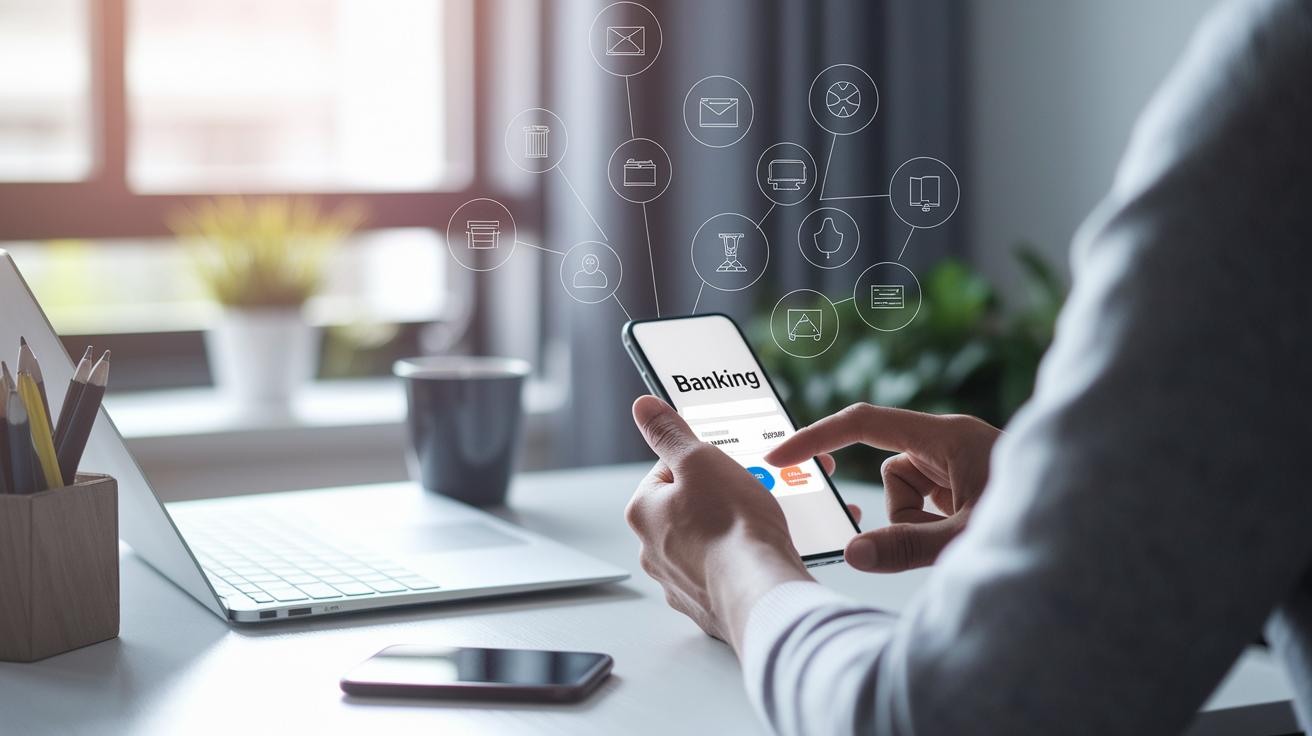
Switching over to a digital-first banking model means handling your money online. It's a move toward using straightforward digital tools that make everyday banking much easier. With features like e-KYC (a quick digital identity check) and digital identity verification, you can open an account in just minutes without setting foot in a branch.
Start by downloading your bank’s mobile app and setting up your account. Upload your documents, complete your e-signature, and get instant approvals thanks to automated onboarding. You'll also receive real-time alerts and helpful chatbots that walk you through each step. Once you're on board, you can even explore tools like mobile wallet integration (check it out here: https://cleverbusinessnews.com?p=3600) to manage your payments and transactions effortlessly.
Of course, moving to new technology can feel a bit overwhelming at first. Many folks worry about making mistakes or data issues during the switch. But banks know these concerns and have put strong support systems in place. Their streamlined processes can cut setup times by up to 70% compared to old-school methods. This blend of innovation and security makes the transition smoother, giving you a seamless digital banking experience.
Impact of Digital-First Banking on Inclusion and Cashless Economies
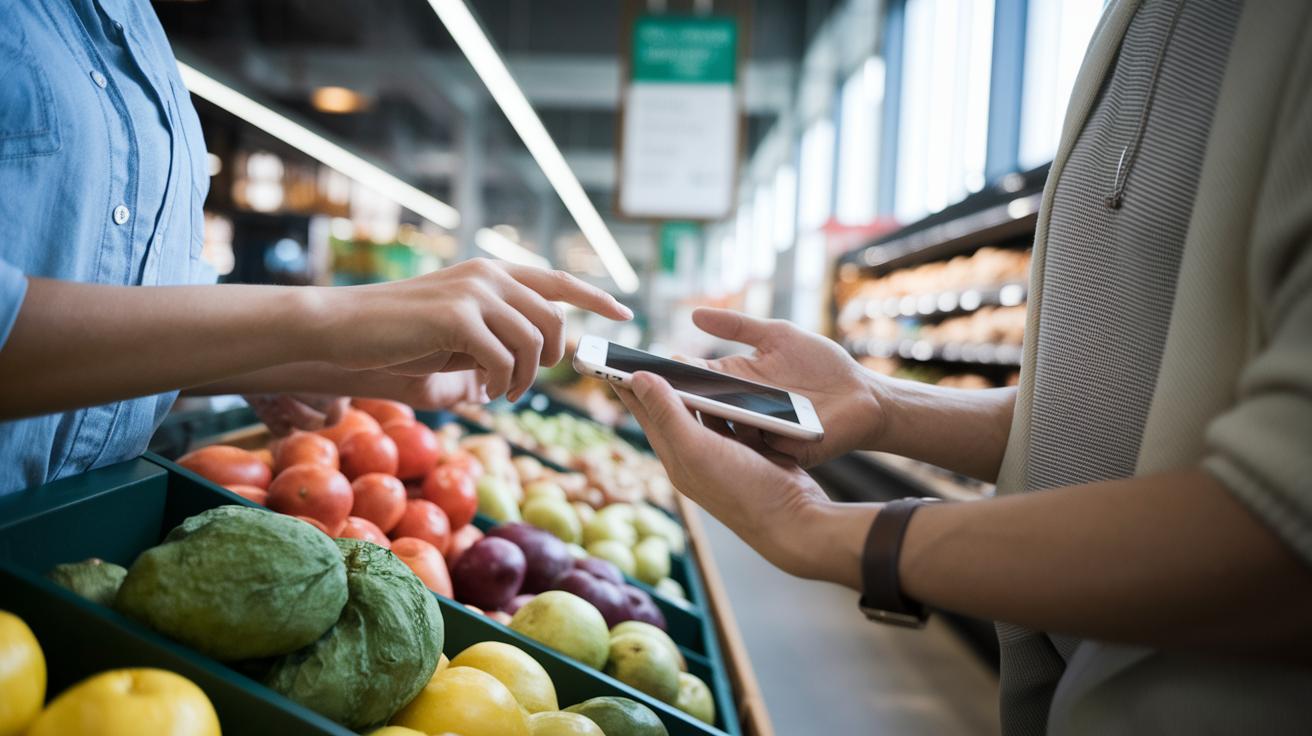
Digital-first banking is changing the way we manage money every day. It’s especially helpful for people living in areas where visiting a bank is hard. With banking services on mobile phones, anyone can open an account, pay bills, and handle funds without having to visit a branch. This approach cuts down on costs by getting rid of paper forms and the need for a physical bank building.
Mobile wallets and contactless payments make it even easier. Imagine buying your groceries or sending money overseas right from your phone! Not only does this save time, but it also lowers fees by up to 50% in some cases. For many, a handy app replaces a long wait in a bank, reducing both hassle and expense.
Key benefits include:
- Broader access for people without a bank account
- Lower costs through paperless processes
- Faster and more efficient international money transfers
- Greater everyday use of digital wallets
This move supports personal financial independence while laying the groundwork for a cash-free economy. As digital-first banking continues to grow, it creates a fairer system where more people can enjoy fast, modern financial services.
Emerging Trends Shaping the Future of Digital-First Banking
Digital-first banking is changing quickly as new tools reshape the way banks help you manage your money. Voice commands and digital assistants now let you handle everyday banking tasks in ways that feel natural. Imagine asking your digital helper to check your balance or set up a payment without even tapping on a screen. Even better, smart technology quietly learns your habits to offer advice that feels just right.
Voice and Virtual Assistant Banking
Voice systems and chatbots have come a long way from their early, simple replies. Today, digital helpers are available all day and night, ready to assist you whenever you need it. They use advanced voice recognition to catch not only your words but also your tone and the context of your request. For example, if you say, "Show me my latest transactions," you get an immediate and clear summary. This more interactive approach makes banking quicker and easier, even when you are on the move.
Quantum and Predictive Financial Modeling
Quantum computing is beginning to change the game by speeding up transactions and improving risk analysis. Researchers are figuring out how to sift through huge amounts of financial data in seconds. This could lead to sharper forecasts and smarter financial decisions. At the same time, smart predictive tools use complex simulations to spot risk patterns and help shape investment strategies. By combining quantum power with advanced data analysis, future digital banking services will give you real-time insights to help you stay on top of your money in a busy world.
Final Words
In the action, we explored how digital-first banking reshapes everyday finance. We looked at its ability to simplify account management, power real-time insights, and lower fees through cost savings. The discussion included tech advances like AI and mobile innovations, while breaking down comparisons with traditional banking. We also highlighted how this approach expands financial access for underserved communities. This model not only eases routine tasks but boosts confidence in making smart investment choices. Embracing digital first banking opens up a simpler, more efficient future for financial management.
FAQ
Digital first banking login
The digital first banking login serves as your secure gateway to online banking. It allows access to your account via a website or app for checking balances, transferring funds, and managing transactions.
Digital first banking app
The digital first banking app is a mobile tool offering a user-friendly interface for managing accounts. It lets you check balances, pay bills, and transfer funds securely at any time.
First Bank Puerto Rico
The term First Bank Puerto Rico refers to the local branch of First Bank operating in Puerto Rico. It provides both digital and in-person banking services for local consumers.
Digital first banking sign up
The digital first banking sign up process enables you to open an account online quickly using a secure platform, eliminating the need for a physical branch visit while reducing wait times.
Digital first banking ncr
The term digital first banking NCR often refers to the banking systems provided by NCR that support automated teller machines and self-service kiosks, streamlining everyday financial tasks.
First Bank Online Banking app
The First Bank Online Banking app is a mobile application that allows customers to access banking services digitally, making it easy to view statements, pay bills, and perform secure transactions.
First Bank Online Banking Sign up
The First Bank Online Banking sign up process involves enrolling in digital banking through a guided, secure online registration. It simplifies account creation and verification without a branch visit.
First Bank Puerto Rico Customer Service
The First Bank Puerto Rico Customer Service provides support for local customers through multiple channels, helping with inquiries, troubleshooting, and account management both online and in branch.
What is digital first banking?
Digital first banking is a model where banks prioritize digital channels like websites and mobile apps. It enables customers to do most banking activities online, reducing the need for physical branches.
Are digital banks legit?
Digital banks are legitimate financial institutions regulated to ensure secure operations. They use advanced technology to offer reliable and safe banking services without traditional branch networks.
What is *894 used for?
The *894 code is used in some digital banking systems for specific service functions, such as checking balances or activating account features, depending on the provider’s design.
What is digital banking and how does it work?
Digital banking involves using secure websites and mobile apps for everyday financial tasks like transferring funds, checking balances, and paying bills. It works through encrypted transactions and automated systems to ensure a seamless user experience.
