

Have you ever thought about how technology is changing the way you handle money? Fintech brings together classic banking methods and simple digital tools to make everyday transactions easier. New services, like buy now, pay later and digital wallets, are spreading around the world. These changes show us how using data for things like credit scoring can make paying for things smoother and change how we manage our money. Keep reading to find out how these fintech innovations not only solve common money problems but also spark new, smart trends that can help everyone.
Fintech Examples Spark Smart Money Trends
Fintech is shaking up the world of money with new ideas that tackle everyday money issues. These innovative methods blend traditional banking with digital tools, making finance feel more friendly and easy to use.
A clever mix of technology and basic financial know-how has sparked many startup wins, highlighting big trends across the globe. Companies are using data to improve things like credit scoring (a way to judge how safe it is to lend money) and payment processes, while also refreshing how banks operate. Have you ever wondered how quickly these changes are happening?
- Alternative Credit Scoring: Nova Credit
- Buy Now Pay Later: Affirm
- Peer-to-Peer Lending: Funding Circle
- Payment Processing: Stripe
- Digital Wallets: Venmo
- Challenger Banks: N26
- Robo-Advisors: Wealthfront
- Cryptocurrency Exchanges: Coinbase
These examples show how fintech makes handling money less complicated and more efficient. They help create smoother transactions, offer more personalized credit choices, and bring fresh investment chances, all of which make modern finance more inclusive and approachable.
Fintech Examples in Payments Innovations

Payments lie at the heart of fintech. They have changed from simple money exchanges into smart, modern systems that make moving money easier than ever. This shift uses new technology to help money flow smoothly between people and businesses.
Take Square, for example. They offer register-type hardware and handy software that syncs in-store stock with online orders. Then there’s Stripe, which powers a payments platform used by well-known brands like Pinterest, Warby Parker, and Kickstarter. Checkout.com steps in with a tool that handles money in different currencies, and their 2022 move to acquire ubble boosted their global reach. Adyen also plays a big role, giving businesses worldwide tools to accept payments while keeping fraud at bay; they work with names like Spotify, Uber, and eBay. All these companies mix smart gadgets and software to help both small shops and large businesses process payments faster, safer, and with greater ease.
These fresh innovations truly benefit everyone. Merchants see less hassle during transactions and smoother ways to manage stock, while shoppers enjoy quicker checkouts and steady payment systems that build trust. In truth, this new approach to payment processing not only modernizes store operations but also sets a warm, customer-first standard in the world of finance.
Fintech Examples in Digital Banking Services
Digital banks are changing the way we handle our money. Instead of visiting a building, you simply use an app on your phone. It’s like having a bank that lives in your pocket. These banks focus on making your money management simple and clear, helping you avoid the long lines and high fees sometimes seen at traditional banks. People are quickly moving to these new services, and that growing trust is backed by impressive funding numbers.
| Bank | Key Feature | Funding/Users |
|---|---|---|
| N26 | Online challenger cutting branch costs | Focus on digital efficiency |
| Monzo | Innovative app-based services | Raised £1.41 billion |
| Revolut | Comprehensive digital finance tools | £1.26 billion in funding |
| Chime | Fee-free accounts with early direct deposit | 1 million+ users |
The shift to banks that exist only online marks a new era. Banking is now faster, more flexible, and less expensive because you don’t need a brick-and-mortar branch. It’s like switching from an old, clunky bicycle to a modern electric scooter , smooth, efficient, and built for today's pace. Have you ever noticed how technology makes even everyday tasks easier? In this case, digital banking is more than just a modern tweak; it’s a clear move toward a friendlier, more accessible money management system for everyone.
Fintech Examples in Lending and Credit Innovations
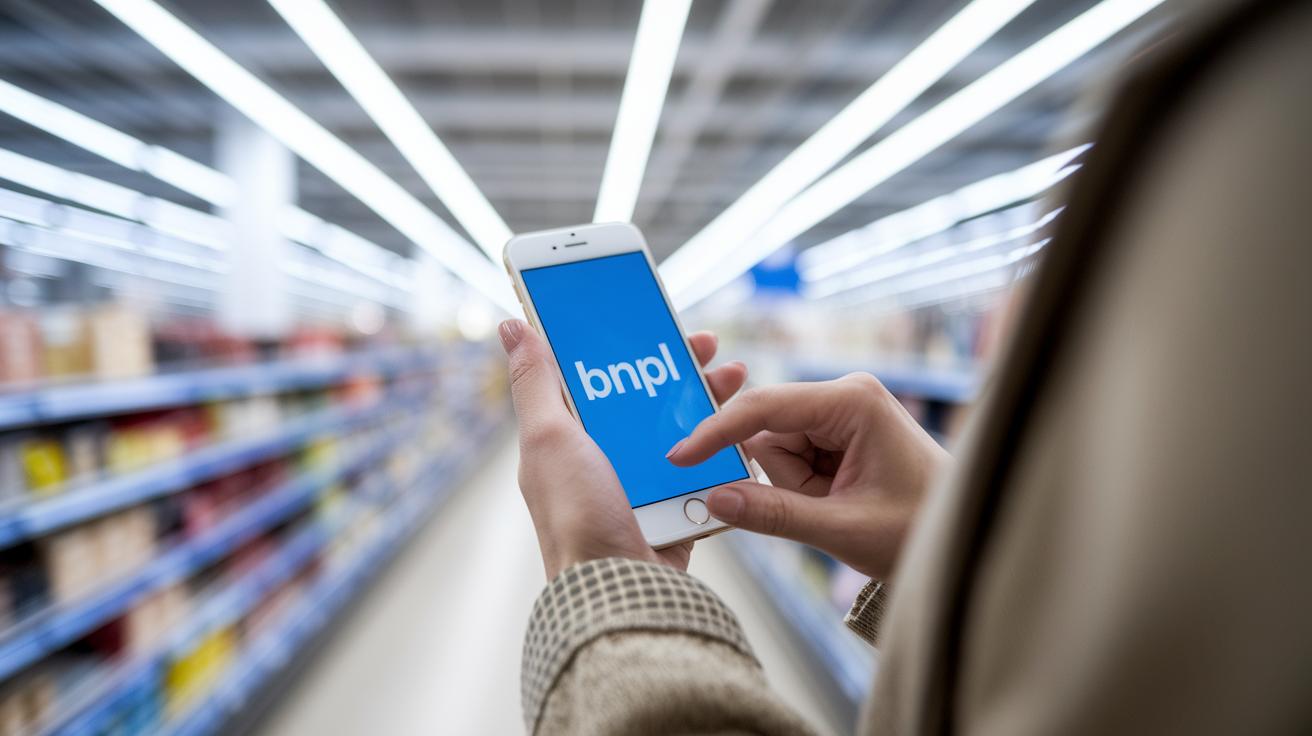
Fintech is completely changing how we get credit and loans. Using new technology, decisions are made faster and funds become more flexible. This means that instead of going through old, slow methods, people and small businesses can now get custom solutions when they need money.
Buy Now, Pay Later:
Services like Affirm let you pay for purchases in small chunks over 3 to 36 months. Platforms such as Klarna offer a similar way to spread out costs. This idea helps you handle big or surprise costs without putting a strain on your everyday money.
Peer-to-Peer Lending:
Think of Funding Circle as a direct meeting place for lenders and borrowers. Instead of going through a bank, you deal directly with each other. Fees are charged on repayments, keeping things clear and building trust. This quick process offers a boost to small businesses and entrepreneurs who might struggle with traditional financing.
AI-Driven Credit Scoring:
Companies like Upstart use artificial intelligence to decide if you’re creditworthy by looking at more than just your credit score. They check things like your education and job history, giving a fuller picture of your money situation. Nova Credit also helps by making sure that credit checks are more balanced and modern.
Overall, fintech is breaking down old barriers, offering fast personal loans, smooth small business financing, and smarter credit checks. With these new tools, borrowers can get the money they need without the stress of old-fashioned systems.
Fintech Examples in Digital Investment and Wealth Management
Fintech has completely shifted the way we think about investing. Today, no matter if you're just starting out or you already have a big portfolio, digital tools let you build wealth on your own terms. Ever wonder how you can invest without needing a traditional broker? It’s pretty simple, tech makes buying stocks, bonds, or even different assets as easy as pie.
Take Wealthfront, for example. They offer automated, passive portfolios that are perfect if you’re someone who values simplicity. Millennials, especially, seem to enjoy this approach. Then there’s Robinhood, which lets you trade without paying extra fees. Whether you’re on your phone or at your computer, it’s all straightforward and designed to help you get started quickly.
Enfusion is another cool case. They streamline complex work by combining compliance, trading, and risk management into one seamless system for hedge funds. And DRW? They use smart algorithms to trade across different asset classes, making sure the timing and execution are spot-on. Lastly, PEAK6 supports financial education apps like Stash and Zogo, giving users practical tips and real investment insights.
These smart platforms show us that investing is no longer reserved for a select few. By cutting out old barriers like high fees and slow manual processes, they make managing your money faster, simpler, and more cost-efficient. It’s like having a modern toolkit that helps you grow your savings with a friendly, human touch.
Fintech Examples in Blockchain and Cryptocurrency Platforms

Blockchain technology is driving a fresh wave of secure and open money solutions. It changes the way digital transactions are tracked and checked, making processes smarter and quicker. This shift also brings a modern twist to accounting, keeping records accurate and reliable.
Coinbase stands out by allowing digital asset trading in over 100 countries, and it has managed about $150 billion in exchanges. Plaid plays a key role by offering simple identity checks and instant balance updates to protect user data. Rain meets big business needs with a stablecoin platform that makes large transactions easier. And Kalshi shakes up traditional trading by letting investors bet on real-world events in a regulated online space.
These examples show how blockchain platforms are shaking up old financial models. They boost security, streamline operations, and add clarity to digital transactions, making them more trustworthy. In short, blockchain is a major force in modern finance, proving that decentralized systems can reshape our financial world for the better.
Fintech Examples in Insurtech and Regtech Solutions
Fintech is stepping up its game in the worlds of insurance and regulatory rules. It uses smart technology to make it easier and faster for everyone. Now, systems that mix up clever data reading and machine learning (a type of computer learning from experience) help speed up finding risks and giving out policies. In plain terms, this shift helps set fair prices and smooth things out, making insurance more flexible and rules more automatic.
Insurtech Innovations
Lemonade takes home insurance to a new level by using artificial intelligence. This means insured folks enjoy a smoother process that fits their needs, with quick and fair claim handling. And then there’s Pie Insurance, which uses smart machine learning so workers’ comp policies match today’s fast-changing work scene. These tech tools cut down mistakes and speed up decisions. Imagine having a system that sorts through all your data in real time so that policies come out both cheaper and just right for you. Many small business owners even felt a boost when smart algorithms replaced piles of paperwork, leading to almost instant coverage.
Regtech Platforms
On the regulatory side, Alloy makes identity checks and stopping fraud much quicker. It cuts the time it takes for the required steps in financial transactions. Meanwhile, Plaid offers strong compliance APIs, these are tools that help companies report their progress in a way that meets regulations. Together, they smooth out data trips and lessen the hassle of manual checks. This helps companies follow new rules while carefully keeping customer details safe.
In short, smart insurance models and tech-driven regulatory tools are changing old habits. These new systems lead to better risk assessments and more efficient controls, acting like a sturdy safety net as financial services keep up with our fast-moving digital world.
Final Words
In the action, we explored a broad slice of fintech examples, from payments innovation and digital banking to lending, digital investments, blockchain, and smart insurance solutions.
We looked at how brands like Square, N26, Affirm, Wealthfront, Coinbase, and Lemonade are reshaping financial services.
This overview shows real-world cases that simplify complex financial needs with relatable tech-driven fixes. Each example builds a clearer picture of market trends, giving you a solid base for an informed investment experience and the confidence to share these insights with peers.
FAQ
Frequently Asked Questions
What are fintech companies?
The term fintech companies refers to firms that blend technology with financial services. They offer digital banking, mobile payments, and automated investing tools to simplify money management and everyday transactions.
What are some common fintech examples seen in real life?
Common fintech examples include digital wallets, online lending platforms, challenger banks, and robo-advisors. These innovations streamline payments, credit services, and investing, making daily financial tasks more accessible and efficient.
What fintech examples are transforming banking?
Fintech in banking is seen through digital-only banks, mobile payment solutions, and AI-powered credit scoring. These examples modernize access to financial services, reduce branch dependence, and deliver fast, secure transactions.
What are some top fintech companies?
Top fintech companies feature leaders like Stripe, Square, Coinbase, and N26. These firms advance payment processing, digital banking, and blockchain applications, continually refining their offerings to enhance user financial experiences.
What fintech products and services are available?
Fintech products and services range from mobile payment systems and digital wallets to online lending platforms and automated investment tools. These solutions boost efficiency and accessibility in managing personal and business finances.
Is GPay a fintech, and how about Amazon?
Google Pay fits the fintech category as a digital payment platform, while Amazon incorporates fintech by offering payment processing and lending features, merging retail and finance innovations to serve a wide range of users.
How does financial technology influence other fields?
Financial technology bridges sectors such as educational tech, e-commerce, and artificial intelligence. It integrates innovative tools that streamline operations, improve access, and promote efficiency in managing both financial and tech-related activities.
