
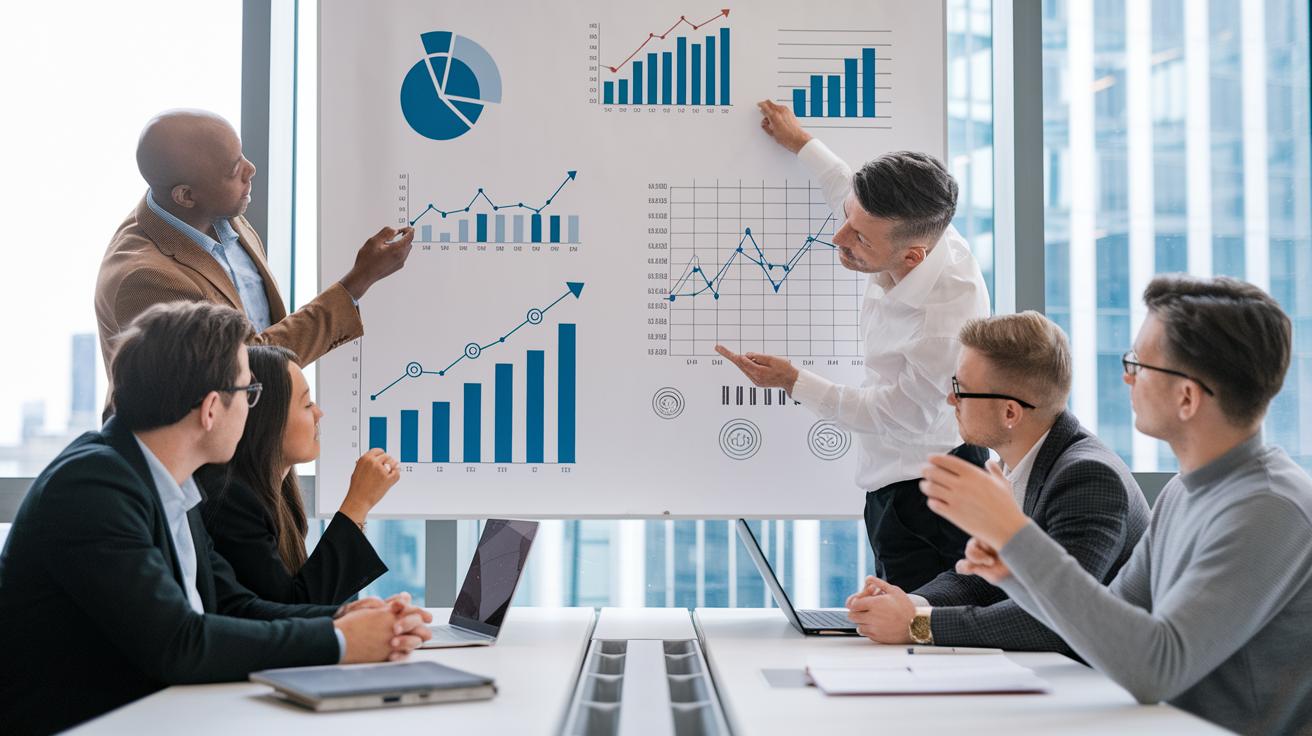
Ever notice how a few simple figures like GDP or inflation can hint at big changes in our economy? Economists look at these numbers to see how strong our financial system is. GDP tells us the total value of everything produced in our country, and inflation shows us how quickly prices are going up. They also watch how people spend, save, and make goods to predict what might happen next. It's a bit like solving a puzzle, where each number is a clue. This method helps decision makers tweak their plans and keep our economy on track.
Why Economists Study Economic Indicator Data
Economic indicator data is like the facts that help us understand where the economy stands today. Economists use these numbers, think changes in GDP, rising unemployment, or a 10% inflation jump, to figure out how healthy our financial system really is. These clear, measurable facts tell us about spending, saving, and investing habits, cutting out the guesswork.
By watching how people change their spending and other habits, economists can keep an eye on the economy’s ups and downs. They study this data to make smart guesses about what might happen next. For example, if stores notice that people are spending less money, it might mean the economy is slowing down. This kind of news can prompt businesses or government officials to make changes.
Good, solid data is key for crafting smart policies and strategies. When policymakers have reliable numbers, they can adjust tax and money tools to keep the economy steady. Think of economic data like well-measured ingredients in a recipe: when every number is just right, the final outcome, like well-informed advice, can really help steer things in the right direction.
Economic Indicator Types That Economists Analyze
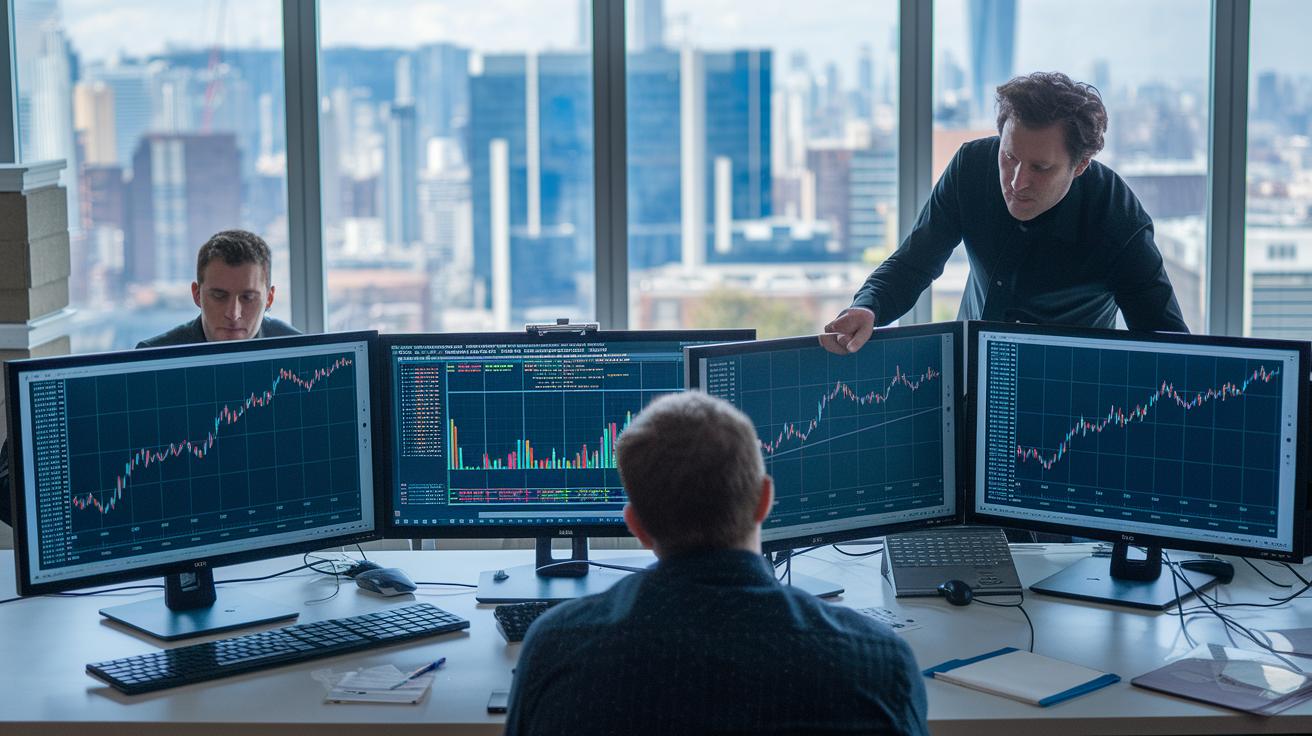
Economists break down data into three main groups so they can better understand the economy from different angles. They watch how numbers change over time, which helps them see what’s happening now, what happened before, and what might occur next. Think of it like checking the weather every day to see patterns over a season; by looking at shifts like changes in GDP alongside trends in unemployment or production, they build a complete picture.
Leading indicators, such as the consumer sentiment index and variations in the stock market, offer early hints about future changes. These measures usually adjust before the broader economy does, acting as early warnings for upcoming shifts. For example, when people’s buying habits or investor choices start to shift, it might be setting the stage for a change. These early signals help decision-makers get ready for what might be coming.
Lagging indicators, like the unemployment rate or inflation measures recorded by the Consumer Price Index and Producer Price Index, tell the story of changes that have already happened. They serve as clear proof of past trends and often match up with other data sources, such as nonfarm payroll numbers from the Bureau of Labor Statistics. It’s like looking at the rearview mirror to understand the journey you’ve just completed.
Coincident indicators, including real GDP and industrial production, show what’s happening in the economy right now. They move in tandem with the overall economic activity, offering a snapshot of current conditions. This real-time update helps confirm the state of the economy as events unfold.
Data Sources Economists Use for Economic Indicators
Economists get most of their data from trusted sources that regularly share clear and reliable numbers. They often turn to government agencies like the Bureau of Labor Statistics and the Census Bureau, which offer detailed updates on jobs, spending by consumers, and how much the government spends. They also use info from financial market data providers and big international groups like the IMF and World Bank. Plus, direct surveys and censuses give real insights by asking everyday people and businesses about their spending habits and other trends. Routine updates help everyone catch changes as soon as they happen.
To be sure the figures are accurate, economists often compare government numbers with data from private surveys. They run checks to see if the numbers match and test for consistency in timing and methods. They also review how data is collected and the way samples are chosen to keep things reliable. By double-checking the numbers, they build trust in the information that forms the basis for economic analysis and policy planning.
Analytical Methods Economists Apply to Indicator Data

Economists start with classic statistical tools to make sense of raw economic numbers. They use methods like regression analysis, time-series analysis, and econometric models to show how different factors, like consumer spending, connect to market trends. These techniques turn plain numbers into clear trends, helping us see how past spending might hint at what comes next.
Today, modern computer methods add even more power to these insights. Think of machine learning as a way to spot hidden patterns that old methods might miss, and scenario analysis as a tool to test different economic "what ifs" by tweaking key details. These new techniques work really well with huge, complicated sets of data, making forecasts even sharper.
| Technique | Purpose | Example |
|---|---|---|
| Regression Analysis | Shows how two things relate | Comparing income to spending |
| Time-Series Analysis | Tracks changes over time | Monthly inflation rates |
| Econometric Models | Tests economic theories | Forecasting GDP growth |
| Machine Learning | Finds hidden data patterns | Predicting stock movements |
| Scenario Analysis | Runs different possible outcomes | Stress testing new policies |
By blending these trusted methods with today’s tech advances, economists make predictions that feel both solid and flexible. This mix helps them capture small shifts and big trends alike, backing up smart decisions for policies and business moves. In short, using both classic and modern techniques gives us a clearer picture of where the economy might be headed.
Forecasting and Policy Applications of Economic Indicator Data
Economists watch early signals in the data to guess where the economy might be headed. They check things like how customers feel, what people are spending in stores, and changes in business investments. For instance, if consumers feel less sure about the future, they might start spending less, which could slow down the economy. Think of these signals like useful tools in a box that help us build a picture of future economic moves. These trends also back up ideas like controlling rising prices and cutting job losses.
Sometimes the data sends clear warning bells. When signs like falling business spending or low consumer confidence hint that a recession might be on the way, policymakers can quickly jump into action. They might roll out spending programs or lower interest rates, a move that makes borrowing cheaper and encourages more investment and spending. By paying close attention to these indicators, decision-makers can step in at just the right time to ease economic slowdowns and pave the way for steady growth.
Final Words
In the action, we explored how economic indicator data forms the backbone of smart market evaluation. Data on GDP, unemployment, and inflation helps pinpoint the economy's pulse.
We also looked at the classifications, methods, and sources used to shape forecasts and guide policy actions.
This approach answers why do economists study the data of economic indicators, offering clarity that helps both investors and decision-makers feel more confident about the shifts in financial markets. Positive trends lie ahead as informed choices lead to sound economic strategies.
FAQ
What are the four factors of production that an economy needs to produce something?
The four factors of production are land, labor, capital, and entrepreneurship. Land includes natural resources, labor covers human effort, capital means tools and money, and entrepreneurship organizes these resources.
Why do economists study economic indicator data?
The study of economic indicator data helps measure overall economic health, forecast trends, and guide policy decisions. It provides real numbers on aspects like GDP, consumer spending, and inflation, which drive sound strategies.
What is the purpose of measuring economic indicators?
Measuring economic indicators offers a snapshot of the economy’s performance. These measures reveal trends in growth, employment, and prices, aiding both business and government decision-making.
How do economists use economic indicators?
Economists use economic indicators to assess performance, detect shifts, and forecast future changes. They rely on data such as unemployment and inflation rates to shape policies and business tactics.
What is the meaning of economic indicators in economics?
Economic indicators are statistical measures that reflect the state of an economy. They track growth, employment, and price changes, helping stakeholders understand overall economic conditions.
Why is it important to consider economic indicators when making economic decisions?
Considering economic indicators ensures that decisions are made on factual data. These measures help spot trends and risks, allowing for well-informed policies and business plans that respond to current economic conditions.
Describe some differences between a developed and a developing country.
Developed countries typically have higher income levels, robust infrastructure, and stable institutions, while developing countries often experience growth challenges, less developed public services, and evolving market systems.
Describe the type of economy that the United States operates under.
The United States operates under a mixed market economy, where private businesses drive production and government regulation helps maintain fairness and address market challenges.
Explain how your daily choices affect the global economy.
Your everyday decisions, like spending, saving, or investing, influence the global economy by shaping demand and resource flow. Each choice contributes to broader economic trends that impact both local and international markets.
