

Have you ever wondered why some banks seem like that friendly neighbor you can trust with your money? Retail banking is all about the everyday tasks we need, like opening an account, making deposits, or even getting a small loan.
These banks don’t try to confuse you with complicated products. Instead, they keep your money matters simple and clear.
In this article, I'll explain retail banking in plain language, so you can see how it helps with your daily needs without any extra fuss.
Defining Retail Banking: A Comprehensive Overview
Retail banking is the kind of banking everyday people, families, and small businesses use. It isn’t meant for big corporations or government work. Instead, it handles day-to-day tasks like setting up bank accounts, managing deposits, and offering loans that fit personal needs. Think of it as your local neighborhood bank where you can drop off a paycheck or quickly pay your bills.
This kind of banking keeps things simple and skips the complicated products you might see in commercial or investment banking. The focus is on everyday finance. You’ll find common products like checking and savings accounts, retirement savings plans, and secure deposit options like fixed or recurring deposits. Some banks even offer special accounts for non-resident Indians, such as NRE, NRO, and FCNR accounts.
The main account types include checking accounts for daily expenses, savings accounts to build up funds, and retirement accounts for long-term planning. In short, retail banking gives you a straightforward and personal approach to managing your money.
Core Banking Products for Consumers in Retail Banking

Banks offer a variety of services so you can choose what fits your everyday life. It’s like having a personal toolbox where each tool helps your money work better for you. From handling daily expenses to planning for a secure future, every option is designed with your needs in mind.
- Checking accounts: Perfect for daily spending and paying bills.
- Savings accounts: With attractive interest rates to help grow your funds.
- Retirement accounts: Built to support a comfortable future.
- Fixed and recurring deposits: Great for setting aside money on a fixed schedule.
- Loans: For homes, personal projects, auto, and even two-wheeler purchases.
- Card products: Including debit, credit, prepaid, and no-cost EMI cards.
- Investment and insurance options: Like mutual funds, National Pension System plans, and varied health coverage.
- Extra banking services: Such as money transfers, balance checks, cheque book issuance, utility bill payments, auto-debit setups, safe deposit lockers, demat accounts, and demand drafts.
Each offering is crafted to make money management simple, helping you take one steady step closer to your personal financial goals.
Comparing Retail vs Commercial Banking Models
Retail banking is all about helping everyday people and small businesses with their daily money needs. These banks handle simple tasks like opening checking and savings accounts, processing regular deposits, and providing personal loans for things like homes or cars. They focus on a friendly, personal touch, making banking feel accessible and connected to the community. You get easy-to-use services like debit and credit cards along with useful, personalized financial advice. By steering clear of complex investment products, retail banks make it simple and stress-free to manage your money.
Commercial banking, on the other hand, targets mid-sized to large companies with more specific and advanced money needs. These banks offer specialized services such as syndicated loans (big loans provided by a group of lenders), large credit lines, and treasury management (help with handling a company’s cash and investments) that need careful risk assessment. They deal with structured financing and manage complex cash operations and trade finance, making them perfect for businesses that need tailored, high-value solutions. Instead of everyday transactions, commercial banks focus on intricate financial strategies that support business growth and financial stability, helping companies confidently manage large portfolios and maintain trust in the market.
Retail Banking Revenue: How Banks Generate Income

Retail banks make money mainly from the difference between what they pay on customer deposits and what they charge on loans. It works like this: the bank pays a small interest rate on deposits and then charges a higher rate on loans. Picture a see-saw where one side shows the lower rate you earn in your savings account and the other side shows the higher rate you pay on a loan. That gap, called the net interest margin, is key to how banks earn their income. For instance, if a bank offers 1% on savings but charges 5% on personal loans, the 4% difference really adds up.
Banks work hard to balance these rates to stay profitable. They often change their lending rates based on market conditions and how much it costs to get funds. When loan rates go up more than deposit rates, banks see better profits. But if the rate on deposits increases faster than on loans, the bank’s profit margin can shrink. In simple terms, keeping a close eye on these rate changes and managing funds wisely helps banks stay competitive while meeting the everyday financial needs of their customers.
Technology Trends and Digital Transformation in Retail Banking
Digital change in banks is reshaping how you manage your money. Nowadays, banking lets you handle your funds on your phone or computer anytime, anywhere, imagine carrying your bank in your pocket. These new online services make everyday tasks like moving money and checking balances simple, fast, and secure. The drive for digital tools comes from a need for speed, efficiency, and a more personal touch in banking.
A neat example of this shift is Skaleet. This platform earned recognition in the 2026 Gartner Magic Quadrant for Banking Payment Hub Platforms. It offers handy modules for managing accounts and cards, handling loans and savings, and even automating processes. Fun fact: Skaleet slashed its application processing time by 50% after rolling out its new digital module suite. This mix of strong behind-the-scenes tech and an easy-to-use front end shows how banks can roll out new services quickly.
Banks are also embracing fintech integration to tie all these elements together. They’re using updated API guides and smooth, connected bank services so you can easily switch from branch to mobile or online banking. This connected approach not only broadens the range of services but also meets your personal needs in one clear, digital space.
Types of Retail Banks: Real-World Market Examples
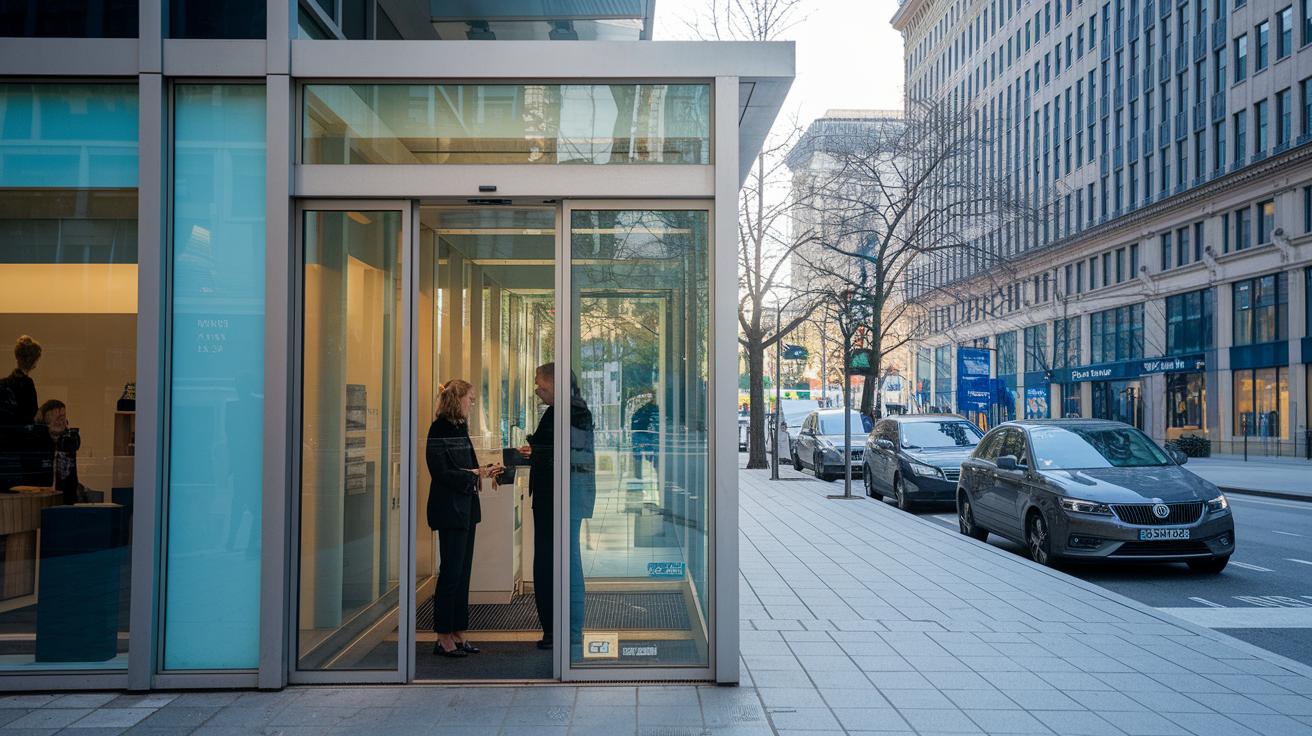
Retail banks come in many forms. They are built to fit the unique needs of people and communities all over the world. Whether it's a large, all-encompassing bank or a small, community-focused one, each offers services tailored to different financial lifestyles.
| Bank Type | Key Characteristics | Primary Markets |
|---|---|---|
| Large National Banks | Many branches and a full range of services | U.S. and international markets |
| Community Banks | Focused on personal service and local relationships | Local regions and neighborhoods |
| Online-Only Banks | Digital services with lower fees | Tech-savvy consumers across the country |
| Regional Rural Banks | Specialized products and niche banking solutions | Smaller cities and towns |
| Post Offices | Trusted savings schemes with a traditional feel | Community-focused segments |
These examples remind us that banks are built to serve a wide range of needs. The blend of large national networks and focused rural services shows just how adaptable retail banks can be, no matter whether they serve well-established markets or emerging ones.
Final Words
In the action, the post broke down what is retail banking by describing its focus on individual needs, key consumer products, and the income models that drive bank earnings. Short comparisons between retail and commercial banking and a look at digital shifts made the concepts easy to grasp. The discussion illuminated how banks tailor services, from checking and savings accounts to mobile banking innovations, to meet everyday financial goals. It leaves you with a clear view to manage your money effectively and feel confident discussing market trends.
FAQ
Frequently Asked Questions
What is retail banking, and can you provide examples?
Retail banking refers to the financial services offered to individual consumers. It includes products like checking and savings accounts, personal loans, and credit cards, providing a range of everyday banking solutions.
How does retail banking compare to consumer or personal banking?
Retail banking, consumer banking, and personal banking all focus on individuals. They provide similar financial products and services, such as basic accounts and lending, aimed at serving personal finance needs.
How does retail banking differ from corporate or commercial banking?
Retail banking serves everyday consumers through high-volume, small-value transactions, while corporate or commercial banking targets businesses with tailored financing, cash management, and large-scale credit solutions.
What are the types of retail banking?
Retail banking encompasses large national banks, community banks, online-only banks, regional rural banks, and even post offices offering savings schemes, each catering to different customer segments and service preferences.
What do retail banking operations involve?
Retail banking operations involve daily services such as processing deposits, managing loans, maintaining accounts, handling transactions, and assisting customers with access to various personal financial products.
What are retail banking products and services?
Retail banking products include checking and savings accounts, fixed deposits, loans, and credit cards, while services span money transfers, bill payments, and other transactional support to facilitate everyday personal finance activities.
What does a retail banking job entail?
A retail banking job involves customer service, handling account transactions, providing product advice, and supporting the daily operations of bank branches to meet individual customer financial needs.
What is a retail account in banking?
A retail account is an individual’s bank account used for everyday financial activities like deposits and withdrawals, designed to support personal finance management and routine transactions.
