

Ever wondered how digital money might change the way we handle cash? Cryptocurrency isn’t just for tech experts, it’s accessible, safe, and simple enough for anyone to try. In this article, we explore five digital coins that make managing your money as easy as using cash, all without needing a bank. Think of it like learning a secure, modern way to pay your bills with fairness and simplicity. Ready to take that first clear step into the world of digital money?
Understanding Cryptocurrency Basics: Foundation for Beginners
Cryptocurrency is like digital cash that doesn’t need a bank. Instead, a network of computers keeps a shared notebook to record every trade. Imagine everyone in a small town jotting down every exchange so that it’s all open and fair. If you send digital money to a friend, every computer updates the record without one central boss calling the shots.
The safety of cryptocurrencies comes from two main tools: cryptography and the blockchain. Cryptography works much like a secret code that locks up your money, keeping it safe from prying eyes. The blockchain, on the other hand, is a shared digital ledger that groups every transaction into linked blocks. These tools work together to stop fraud and double-spending by having many computers check each deal instead of trusting just one source.
Take Bitcoin and Ethereum, for example. They are two of the most popular cryptocurrencies available. They work online every minute of every day, so you can send or receive funds at any time from anywhere. But remember, unlike money in a bank which comes with FDIC insurance, digital money needs extra care to keep safe. Think of Bitcoin as digital gold, always active and securely traded on a global network.
Setting Up Your First Crypto Wallet: Secure Storage Explained

When you're diving into digital money, keeping it safe is super important. Your crypto wallet acts like a digital safe where you store your private keys, the secret codes that let you manage your assets. Think of it as the lock on your personal vault.
Here’s a simple way to set it up:
- Pick a wallet type (hardware or software)
- Get the wallet software or buy the hardware
- Verify your identity if needed
- Protect your private keys with an offline backup
- Turn on extra security features like a PIN or passphrase
When choosing a wallet, consider how you'll use your money. Hardware wallets keep your keys offline, which is like having your keys in a safe deposit box. Software wallets, on the other hand, let you access your funds easily from your phone or computer. Some wallets are custodial, meaning someone else keeps your keys for you. Non-custodial wallets give you full control over them. Your choice should match how comfortable you feel about managing security and how quickly you might need access. Taking careful steps now can really help protect your investments in a world where security is key.
Choosing the Right Crypto Exchange for Beginners
If you're starting out with cryptocurrencies, you'll want an exchange that is simple, secure, and affordable. Look for platforms that keep fees low, protect your money well, and offer many types of digital currencies so you can grow your investments over time. Many people new to crypto choose popular names like Coinbase, Binance, and Kraken because they check your identity for safety and let you add money easily using a bank account or credit card.
| Exchange Name | KYC Requirement | Fee Structure | Supported Assets |
|---|---|---|---|
| Coinbase | Yes | Tiered fees | Major cryptocurrencies |
| Binance | Yes | Low trading fees | A broad range |
| Kraken | Yes | Competitive rates | Multiple digital coins |
The chart above shows that you should look for exchanges that mix low fees with strong security and a wide variety of assets. Keep these points in mind to find a trading platform that fits your goals and helps you feel safe when investing in crypto.
First Steps in Investing: A Step-By-Step Digital Asset Guide
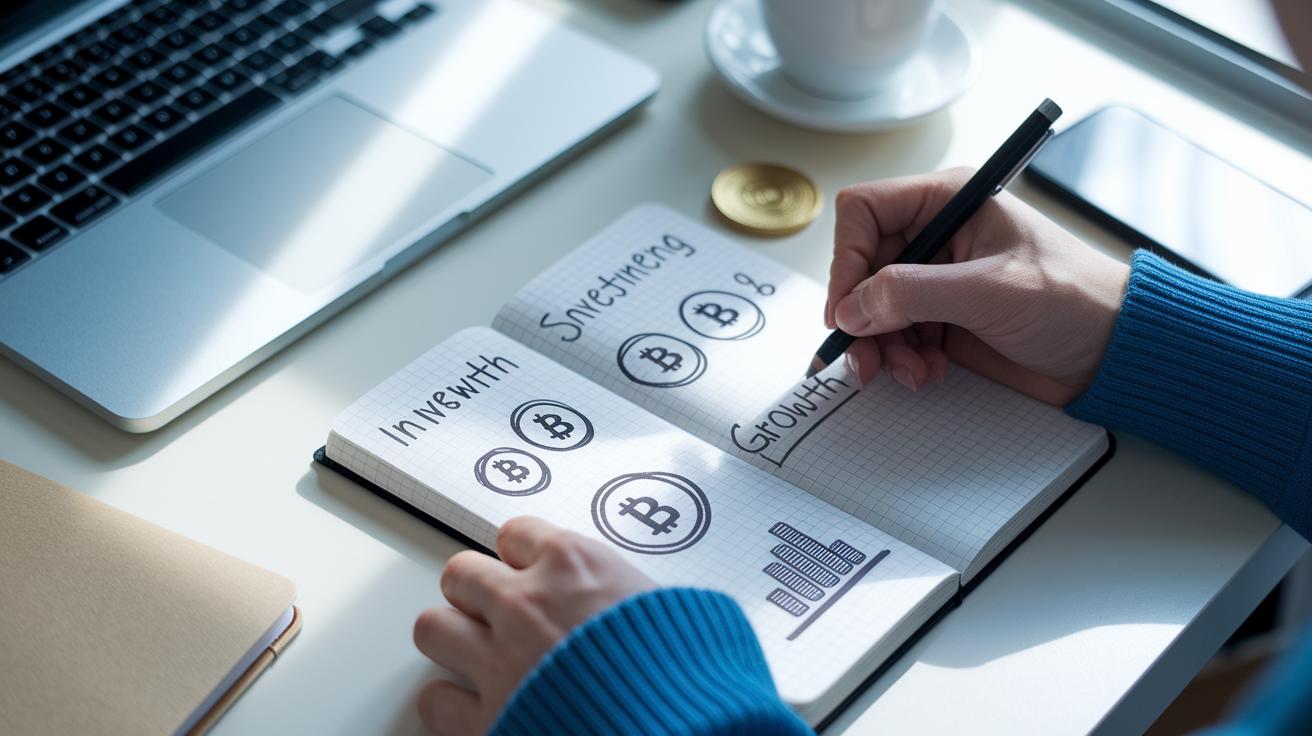
Before you jump into investing, take a moment to decide what you really want to achieve. Do you envision holding assets over the long haul, making international payments, or trying out decentralized finance? Having clear goals makes your next steps easier. Think about whether you prefer steady growth or just want to dip a toe into the market. This simple planning step builds a solid base for your journey.
Next, get your funding in order by linking your bank account or credit card to the platform you like. You’ll also need to pass identity verification, often called KYC (Know Your Customer, a basic check to confirm who you are). Doing these things early on makes entering the digital investment world much smoother. Be ready, and remember, patience goes a long way.
Here are some practical steps to get started:
| Step | Description |
|---|---|
| 1 | Clearly set your investment timeframe and goal. |
| 2 | Choose a trustworthy exchange or trading platform. |
| 3 | Finish your identity verification (KYC process). |
| 4 | Start by depositing a small amount of traditional money. |
| 5 | Make your first cryptocurrency purchase with confidence. |
| 6 | Monitor your holdings using easy-to-use portfolio tools. |
Finally, keep a close eye on your investments. Regularly review your account and check out market trends to spot any changes that might affect your portfolio. As you gain more experience and confidence, you might want to gradually increase your positions. This steady monitoring lets you tweak your strategy while learning from both successes and setbacks. Stay informed and be patient, smart, consistent decisions pave the way to future success.
Crypto Trading Fundamentals: Easy Market Techniques
Trading crypto isn’t the same as simply holding it for years. When you trade, you’re aiming to catch quick shifts in the market to make a profit. This active approach is a lot different from a long-term strategy where you let your assets slowly grow over time. It can feel exciting one minute and a bit nerve-wracking the next.
Here are some key ideas to get you started:
- Market orders let you act fast by filling your order immediately.
- Limit orders give you the power to choose the price at which you want to buy or sell.
- Stop-loss orders work like a safety net, automatically selling if prices fall too much.
- Recognizing basic chart patterns can help you spot trends and potential opportunities.
Before you put real money on the line, try paper trading. This means practicing in a simulated environment using fake money, so you learn the ropes without any risk. Think of it like a rehearsal before the big show. As you get more comfortable, gradually move on to trading with real funds.
Remember, market orders let you dive in quickly when you see a chance, while limit orders help you stick to your ideal price points. And having stop-loss orders in place means you have a plan to manage risk. Taking the time to practice, research, and test your strategies builds a solid foundation that can boost your confidence as you step into the lively world of crypto trading.
Risk Management and Security: Protecting Your Crypto
Cryptocurrency markets can change quickly, and these investments do not have FDIC insurance to back them up. This means you might face risks from market ups and downs, hacks, phishing scams, and fake calls.
- Use unique and strong passwords.
- Turn on two-factor authentication for all your accounts.
- Store your digital assets in a hardware wallet whenever you can.
- Update your wallet's firmware and software regularly.
- Double-check website addresses before you enter any details.
- Do not answer unexpected calls or follow suspicious links.
- Ask a professional if you have tax or legal questions.
Staying alert is very important. Think of it as regularly checking your home for security, like locking your doors and updating your alarm system. Keep an eye on your accounts, learn about new scam tricks, and invest some time to understand how to guard your digital money. A little extra caution now might save you from bigger problems later.
Always seek out trustworthy educational resources and be prepared to change your security habits as new risks come along. This careful plan not only helps you manage risks but also boosts your confidence in handling crypto investments over time.
5 cryptocurrency for beginners: Embrace Simplicity
When you invest in more than one type of digital money, you lower your risk by not putting all your money into a single coin. This way, if one coin drops, you still have others to help steady your overall gains. For instance, owning digital gold like Bitcoin, along with Ethereum, stablecoins (which are less volatile because they're tied to regular money), and other altcoins, can create a safety net when prices change unexpectedly.
| Asset Type | Allocation Example | Risk Level |
|---|---|---|
| Bitcoin | 40% | Moderate |
| Ethereum | 30% | Moderate |
| Stablecoins | 20% | Low |
| Altcoins | 10% | High |
It’s also a good plan to check your investments every now and then. Adjusting your portfolio from time to time helps keep your mix in line with your goals and your comfort with risk. This long-term strategy can make wild market swings seem less daunting. So, keep an eye on your holdings and update your plan as needed, all while making sure your approach stays simple and clear.
Final Words
In the action, our post broke down key steps starting from the basics of digital money and safe wallet setup. We walked through selecting exchanges, making your first digital purchase, and learning simple trading techniques. Risk controls and smart portfolio choices round out this clear guide. Every part is designed to help simplify those tricky aspects of finance. Keep exploring and using these tips as a roadmap to an informed investment experience in cryptocurrency for beginners. Here’s to staying curious and confident as you build smart financial habits.
FAQ
Q: What does Cryptocurrency for Beginners book refer to?
A: The Cryptocurrency for Beginners book explains digital money, covering basic principles and market terms, so new users can gain an overview of crypto foundations in a simple, accessible manner.
Q: How does one invest in cryptocurrency for beginners, including with little money?
A: Investing in cryptocurrency for beginners involves setting clear goals, selecting a reliable exchange, and starting with small amounts, which helps build experience while managing risks effectively.
Q: What is Cryptocurrency for Beginners on Reddit?
A: Cryptocurrency for Beginners on Reddit refers to community forums where users discuss basic concepts, share personal experiences, and offer practical advice to help others start their crypto journey.
Q: What is the best cryptocurrency for beginners and which should I invest in?
A: The best cryptocurrency for beginners often includes popular choices like Bitcoin and Ethereum due to their liquidity and support. Choosing the right coin depends on individual goals and risk tolerance.
Q: Is cryptocurrency safe and why do some say it is bad?
A: Cryptocurrency safety depends on using secure storage and trusted platforms, yet critics highlight high price volatility and regulatory concerns, making it important to research and manage potential risks carefully.
Q: How can beginners get free cryptocurrency?
A: Free cryptocurrency for beginners may be offered through airdrops, referral programs, and promotional rewards, which allow new investors to try the market with minimal financial commitment.
Q: Is $100 enough to start crypto investing?
A: $100 can be enough to start crypto investing, as many platforms allow fractional coin purchases; this small step helps you learn market dynamics without a substantial initial investment.
Q: How much is $1 in cryptocurrency today?
A: The value of $1 in cryptocurrency varies with market fluctuations and the specific coin chosen, so current exchange rates should be checked to determine the exact amount.
Q: What does the 30-day rule in crypto mean?
A: The 30-day rule in crypto usually refers to guidelines that affect trading or tax treatments, such as wash sale considerations, so understanding local regulations is key.
Q: What distinguishes popular cryptocurrencies like Ethereum, USDC, Dogecoin, Litecoin, XRP, and Bitcoin Cash?
A: These cryptocurrencies differ in purpose and features: Ethereum supports smart contracts; USDC is a stable digital token; Dogecoin and Litecoin offer speedy, low-fee transactions; XRP and Bitcoin Cash serve as alternative payment solutions with unique network attributes.
