

Have you ever thought that a big jump in one day might point to even bigger moves coming? Today, the US stock market is really buzzing. Many companies posted strong gains thanks to solid earnings and good economic news, and the heavy trading shows that investors are feeling confident.
This burst of growth isn’t just a one-time thing. It could open up chances for quick trades as well as long-term plans, hinting that the market’s upward swing might have more promise than it seems at first glance.
US Equity Market Performance Snapshot
Today, the US stock market moved up as trading got busier. Big stock groups all ended the day higher, showing clear signs of investor trust following strong earnings and good economic news.
Volume data during the day provided a clear picture of how active trading was. The daily report highlighted stocks with high trade numbers and big price jumps, while a few stocks eased off a bit. These changes show that the market can switch gears quickly, opening doors for both short-term traders and those planning for the long run.
By the close, charts and trade volumes confirmed a market that stayed steady thanks to strong investor activity. This snapshot is a quick look at today’s buzz, and it might hint at more strong moves ahead as investor confidence grows.
US Equity Markets Index Trends: Dow, S&P 500 & Nasdaq Analysis

Today, the U.S. market indexes are on the rise, boosted by growing investor confidence. Live charts and updated price feeds show that the Dow, S&P 500, and Nasdaq all had noticeable moves. The Dow’s small gain tells us that investors are feeling calm, while the S&P 500’s steady climb hints at its role in lifting the whole market. Meanwhile, the Nasdaq performed well, signaling that tech stocks continue to grab a lot of trading activity.
Interactive charts made it easy to see the day’s ups and downs with lively changes in each index. Futures data offered real-time insights, letting traders stay in tune with market shifts. This review shows how technical data can be a handy tool for making quick, informed decisions.
Ever wonder how tiny percentage shifts can hint at bigger market trends? Even a slight daily uptick can work together with year-to-date returns to pave the way for new highs.
| Index | Daily Change (%) | YTD Change (%) | 52-Week High/Low |
|---|---|---|---|
| Dow Jones | +0.45% | +6.2% | 35,000 / 29,000 |
| S&P 500 | +0.75% | +8.0% | 4,800 / 3,600 |
| Nasdaq | +1.10% | +12.5% | 15,000 / 11,000 |
This real-time snapshot helps traders quickly adjust their portfolios as market conditions shift throughout the day.
Sector Performance in US Equity Markets
Today, we saw different shifts across market sectors that feel a bit like watching various neighborhoods wake up at different times. Some areas had more trading activity and price changes than others, giving us clues on which parts of the market might keep building momentum. Traders are keeping a close eye on these movements because even small changes can signal stronger trends ahead.
Here are the top five sectors from today's trading, along with their price moves and volume changes:
- Technology rose by 1.2% as trading volume increased by 15%.
- Healthcare gained 0.9% with a 12% boost in volume.
- Financials added 0.7% while volume grew by 8%.
- Consumer Discretionary went up 1.0% with a 10% rise in volume.
- Industrials climbed by 0.5% with trading volume up 7%.
These simple numbers offer a clear snapshot of what’s happening in the market. They help us understand which sectors are gaining interest, kind of like noticing how even a small increase in volume can mean more investors are starting to look into that area. Have you ever noticed how small shifts can hint at bigger moves down the road? This kind of insight can be a helpful guide when thinking about where the market might be headed next.
Technical Indicators & Trend Forecasts for US Equity Markets

Traders rely on different technical signals to understand market behavior. They use live charts that display real-time stock and index prices so investors can notice changes as they happen. For instance, moving averages smooth out the ups and downs of prices, helping to highlight the overall trend. Think of a rising 50-day moving average as a hint that market strength is growing.
Another useful signal is the RSI, which tells you if a stock might be too expensive (overbought) or too cheap (oversold). When the RSI moves past common limits, traders often adjust their positions. Candlestick patterns also play a big role; they visually show market mood, and familiar shapes in these patterns can signal a change in momentum.
There’s also the advance/decline ratio, which compares stocks that are going up with those going down. This simple gauge gives a quick snapshot of how broad or narrow the market is. Combined with real-time charts, it helps traders spot emerging market moves, so they can choose the right moments to enter or exit a trade.
Trend forecasting models blend these technical signals with past market data to predict near-term performance. They offer pointers on where prices might head next, clearing the path for investors during strong market movements. This combination of tools and models creates a flexible approach to making sense of today’s US equity markets.
Economic & Regulatory Impacts on US Equity Markets
Recent economic updates and shifts in market rules suggest that US stocks can change in a flash. Tools like economic calendars show upcoming news on GDP, job numbers, and Fed decisions that often spark market movements. For example, many traders watch leading economic indicators to get a sense of how big news might affect trading volumes and different sectors.
Regulators such as the SEC sometimes release new guidelines that can instantly change investor mood. A timely rule update may even reshape market strategies right away. Also, when the Fed tweaks interest rates, stock values tend to fluctuate more, which boosts trading activity.
News outlets that monitor market rules give us a clear, real-time look at these shifts. All in all, the interaction between upcoming economic signs and new regulations creates an environment where stocks can move sharply and quickly.
Corporate Earnings & Analyst Forecasts in US Equity Markets

Today, many companies have shared their quarterly earnings, and these reports are really steering how stocks move. A number of firms posted better-than-expected revenue and earnings results, sparking a boost in investor confidence. For instance, one major tech company reported revenues that were 15% higher than forecasts. Its stock price soon climbed, clearly showing how a surprising good result can shift market mood.
Analysts are busy updating their outlook based on these numbers. They compare current results with past performance to figure out if stocks might keep rising or if a downturn could be on the way. In plain language, this forecast analysis helps both new and seasoned investors grasp potential risks and rewards.
Commentators often note that when actual earnings miss or beat expectations, stocks can swing dramatically. These updates give hints about future growth and help guide traders in making buy or sell decisions. In short, even small earnings surprises remind us that the stock market can be quite reactive to every detail in a company’s quarterly performance.
Investment Strategies for US Equity Markets
Investors are finding that a mixed approach can really help when the market goes up and down. Right now, using both growth and value stocks along with techniques like sector rotation and index funds offers a solid way to lower risk while still grabbing new chances. Think of building your portfolio like preparing a meal: you start with index funds as your base, add a bit of growth for excitement, and finish with value stocks to keep things stable.
Here are some simple steps to follow when managing risk and taking advantage of market trends:
- Focus on sectors that are currently showing strength.
- Use index funds as a steady way to get overall market exposure.
- Mix checking growth stocks with looking at value investments to balance big potential gains with steady fundamentals.
Investors also keep an eye on fund performance reports to see how different investments react as market conditions change. It’s a bit like checking a live weather update before heading out, you get real-time insights on how quickly assets can be bought or sold (liquidity) and how volatile things might be.
Managing risk and spreading out your investments is key. Using detailed outlooks from trusted tools, you can set up your portfolio to handle both calm and stormy periods in the market. This balanced strategy prepares you for both defensive moves and times when the market is on the rise.
Historical & Archival Data Analysis of US Equity Markets
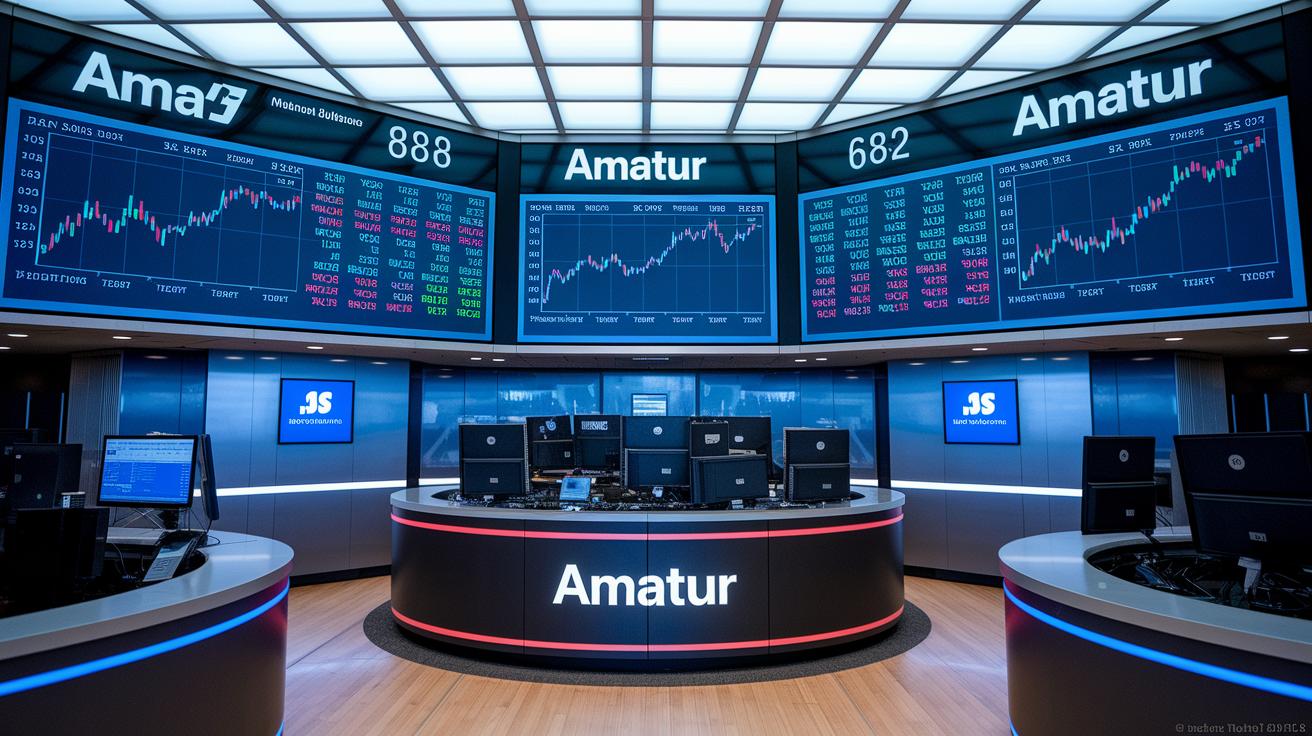
Looking at stored share data for giants like the S&P 500, Dow Jones, and Nasdaq gives us a clear picture of how share prices have changed over time. Experts dive into past market ups and downs to see how the market bounces back after tough times. Think of those major corrections in the late 1900s or the downturn in 2008, they show us how investor moods can swing. These historic moments often serve as a roadmap for today's market, with deep drops usually followed by strong recoveries.
Reviewing these correction signals reveals some steady patterns. When the market falls sharply, it often bounces back within just a few months, hinting at strong support from inside the market. Analysts use this kind of data to estimate the time it takes for the lowest point to shift into recovery. Even though daily prices might jump around, the long view shows a steady upward trend. Investors lean on these records to gauge the risks and predict how similar signals might play out in upcoming trading sessions.
Studying these trends is a bit like reading a diary of our economy. It offers a simple look back at past events, making it easier for both seasoned pros and newcomers to learn valuable lessons from history.
Final Words
In the action, we covered a range of topics, from daily performance snapshots and benchmark index comparisons to sector trends and technical indicators, along with insights into economic moves and corporate earnings.
We also explored practical investment strategies for managing portfolios with a focus on risk and diversification. This guide offers a solid base for understanding us equity markets and making informed decisions, leaving you ready to engage with market insights confidently.
FAQ
What does the US equity markets graph show?
The US equity markets graph shows a visual summary of stock and index performance, offering a quick look at market trends and historical data.
How can I view US equity markets live, including today’s charts and news?
The live charts and news offer real-time updates on stock prices, indices, and trading volumes, so you can quickly gauge current market performance.
What does the US equity markets open indicate?
The market open reflects the initial trading activity, showing the starting prices and setting the tone for the day’s movement.
What information does the US market live future provide?
The live future data offers insights into anticipated market trends and price movements before the official trading session begins.
What is the US stock market index?
The US stock market index compiles selected stocks to create a single performance indicator, featuring major indices like the Dow, S&P 500, and Nasdaq.
What is the US equity market?
The US equity market is the network of exchanges where American company stocks are bought and sold, serving as a key measure of economic health.
What are the main US markets right now?
The current US markets are driven by major exchanges, with the primary benchmarks being the Dow Jones, S&P 500, and Nasdaq.
Who owns 90% of the stock market today?
The 90% figure generally refers to large institutional investors and funds that hold a significant share of the market, rather than individual investors.
