
Can a global crisis pave the way for lasting growth? After the pandemic, bold decisions such as huge government support, low borrowing costs, and fast vaccine rollouts helped steady our lives almost overnight. It felt like watching a well-coordinated team, where every move, from rising consumer spending to fresh business investments, built the momentum for a strong economic comeback. With these factors guiding the recovery, our economy now shines with promise for the future.
Key Drivers of post-pandemic economic recovery
In early 2020, the U.S. experienced a very short recession, lasting only from February to April. Quick moves like over $5 trillion in government help and a fast vaccine rollout boosted public confidence almost overnight. This swift response helped us dodge a deep economic slump, turning a shock into a spark for renewed activity.
Around the world, fast action set the stage for a strong comeback. People could safely return to work and their everyday routines thanks to speedy vaccine efforts, and government plans eased the money worries for many businesses. With immediate support in place, the economy avoided a long slowdown and stayed on track, while smart policies looked ahead to lasting growth.
- major fiscal stimulus (big government spending to support the economy)
- central bank actions (steps taken by banks to keep money moving)
- vaccine rollout (quick distribution of vaccines that built trust)
- supply chain repairs (fixing the flow of goods from makers to buyers)
- consumer spending rebound (more everyday buying by people)
- business investment revival (businesses spending on growth and upgrades)
These six drivers worked together like a well-coordinated team. Government spending provided a cushion during tough times, and central bank actions kept the markets liquid. Fast vaccine rollouts restored trust and fixed supply issues, while more spending by consumers and renewed investments by businesses further boosted the economy. All of these measures not only stopped the downturn but also paved the way for a strong, lasting recovery.
Fiscal and monetary policy strategies for economic growth rebound

After the pandemic, governments worked hard to keep our spending steady and protect jobs. They handed out direct cash payments and boosted jobless benefits, all to help families and keep the economy moving. At the same time, monetary easing, which means lowering borrowing costs and making cash more available, played its part by making loans cheaper. Together, these steps even helped lower-paid workers see a 13.2% wage increase from 2019 to 2023. It’s a bit like watching your garden start to bloom after a long, cold season.
| Policy Type | Objective | Impact |
|---|---|---|
| Direct stimulus payments | Encourage immediate spending and support households | Kept economic activity steady |
| Expanded jobless support | Provide income safety during tough times | Helped maintain spending levels |
| Interest rate cuts | Lower borrowing costs to encourage investments | Boosted spending by consumers and businesses |
| Quantitative easing | Add more liquidity to the financial system | Improved market confidence and stability |
Blending these fiscal and monetary actions created a balanced recovery approach. By linking spending support with easier borrowing measures, the plan helped keep prices steady and sparked growth in our economy.
Labor market realignment and unemployment reduction efforts in post-crisis recovery
After the crisis, workers in the prime age group bounced back quickly, even reaching numbers that matched or exceeded what we saw before the pandemic. People aged 25 to 54 hit record levels, which really strengthened the recovery story. A lot of workers, especially women, came back to their jobs with fresh determination, proving how fast the workforce can adjust after tough times.
Unemployment trends also paint a hopeful picture. In April 2020, nearly 15 out of every 100 people were without a job. By late 2023, that number dropped to less than 4 out of 100. This impressive turnaround is backed by solid economic data that shows the resilience of both workers and businesses. It signals not only more job opportunities but also better hiring practices that lead to a fairer, more sustainable job market.
Programs like training grants and wage subsidies have played a key role in this recovery. They helped workers build new skills and adapt to market changes, making it easier for them to find better jobs. This targeted support has smoothed the transition back into work and further reduced unemployment, giving the labor market a much-needed boost.
post-pandemic economic recovery: Bright Prospects Ahead
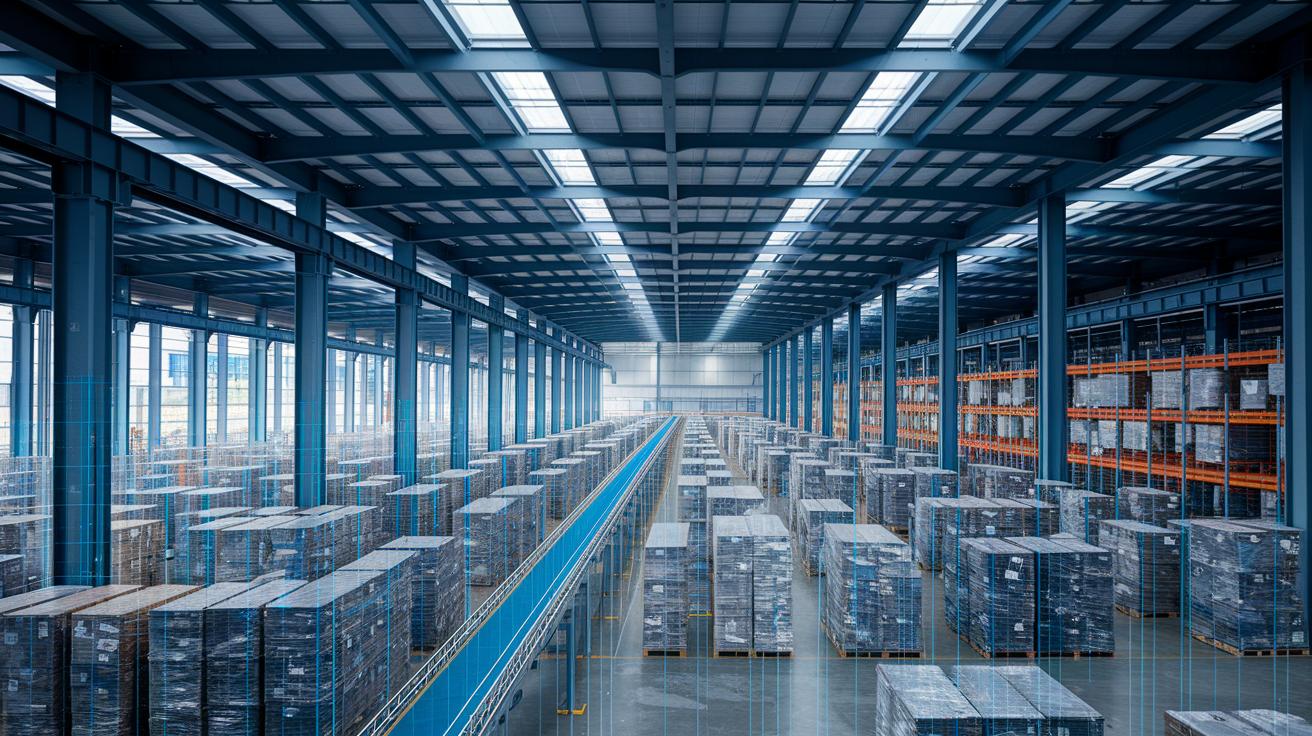
During the pandemic, supply chains faced serious strain, pushing everyday prices up by about 4.8% each year from April 2020 to June 2022. Since then, investments in infrastructure and logistics have helped clear many of these backlogs. This steady recovery has given companies the confidence they needed to get back on track. Many businesses embraced new technology, and as a result, e-commerce sales nearly soared 30% between 2019 and 2021. Think of these changes like tuning up a car – smooth supply chains mean the economy can run faster and without hiccups.
Here are some sectors showing solid recovery:
- manufacturing: Quick shifts in production and strong investments have sparked a clear rebound.
- digital services: The push for new technology has led to a strong comeback in online services.
- tourism & hospitality: With travel picking up again and smoother event planning, this area is steadily recovering.
- healthcare: Updates to supply systems and modern tech have helped healthcare bounce back.
- retail: Growth in online shopping and digital platforms has made retail vibrant and boosted customer interest.
Overall, fixing supply chains and having focused plans for each sector work hand in hand. When one area improves, say, manufacturing, it sets the stage for other sectors like retail or tourism to benefit too. These combined efforts are building a sturdy and flexible economy, one step at a time.
Small business revitalization and private sector resurgence
Many small companies sprang back into action with genuine determination, fueled by the changes brought by the CHIPS and Science Act. This new law pushed real gross capital formation to levels 14% higher than before COVID by 2023–2024. A lot of these businesses found a lifeline in funds from the Paycheck Protection Program and grants for digital upgrades. They also benefited from local supply chain diversification grants, which helped them cut costs during disruptions and keep cash flowing.
Support measures that sparked a private sector turnaround included:
- PPP loans
- Digital grants
- Tax credits
- Workforce training funds
- Supply chain diversification grants
These kinds of targeted support not only kept small businesses steady during tough times but also encouraged wider investments. Many companies took this chance to explore new ways of modernizing their operations and lowering risks. All in all, these measures led to innovative solutions born out of crisis, helping small businesses not just survive, but thrive, while playing a big part in the ongoing economic recovery.
Measuring post-pandemic economic recovery with key indicators

Watching key numbers gives us a clear look at how fast the economy is bouncing back. We check figures like GDP growth, unemployment, the core consumer price index (which shows basic price changes without food and energy), and investments in new projects. These figures, known as leading economic indicators, help investors and decision makers see how strong the recovery is and decide on next steps.
Take a look at the table below for a simple side-by-side view of pre-pandemic and current numbers:
| Indicator | Pre-Pandemic | Current | Change |
|---|---|---|---|
| GDP growth | Baseline performance | 2% above baseline | Up 2% |
| Unemployment rate | Around 4% | Below 4% | Decreased |
| Core CPI | Near 2% | Stayed close to 2% | Stable |
| Gross capital formation | Standard levels | 21 percentage points higher than the eurozone | Significantly higher |
These figures tell a clear story. Steady growth, lower joblessness, stable prices, and strong business spending all suggest that we are moving in the right direction after the pandemic. Keep an eye on these metrics to understand not just where we are now, but also where improvements might be needed soon.
Forecasting sustainable growth and managing future risks
The U.S. economy is taking steps toward a soft landing with an inflation goal near 2%. Recently, Federal Reserve officials cut rates and took careful measures, like lowering borrowing costs just a couple of weeks ago, to ease prices while keeping growth in view. Still, inflation has ticked up by 2.2% from 2019 to 2024, showing how tricky it can be to boost the economy without letting inflation run wild.
Looking ahead, policymakers have some obstacles to overcome. Supply chain hiccups, ongoing labor shortages, and shifts in policy could all slow down a smooth recovery. To keep things on track and cut down on uncertainty, decision makers are working on mixed strategies that can shift quickly as conditions change. These plans stress practical adjustments and investments in our infrastructure to build a tougher economy.
| Key Focus | What It Means |
|---|---|
| Inflation volatility and rate response | How quickly and accurately we can react to big swings in prices |
| Supply chain buffers | Extra support to keep goods moving smoothly |
| Workforce development programs | Training and skill-building to meet job market needs |
| Adaptive policy frameworks | Flexible rules that can adjust to new economic trends |
These steps, along with keeping a close eye on economic signs, act as a plan to handle short-term bumps while setting the stage for steady, long-lasting growth, even in a world that can be pretty unpredictable.
Final Words
In the action, the blog post broke down how different factors, fiscal stimulus, central bank moves, labor market rebounds, sector-specific plans, and small business revitalization, steered the economic turnaround. It mapped out how improvements from supply chain fixes to policy coordination all played their part.
A mix of targeted strategies and market resilience turned challenges into growth opportunities. This balanced blend of elements lights a hopeful future in post-pandemic economic recovery, guiding investors toward making smart, informed choices.
FAQ
Q: What are the key post-pandemic economic recovery statistics and trends?
A: The post-pandemic economic recovery statistics show a rapid rebound marked by strong GDP growth and employment figures, driven by aggressive fiscal support and swift vaccine distribution.
Q: What drove economic recovery in 2022 and how is it discussed in analyses?
A: The economic recovery in 2022 was powered by major government stimulus, effective vaccine rollout, and quick fixes in supply chains, themes often explored in post-pandemic recovery analyses and essays.
Q: How did COVID affect the U.S. economy and the world economy?
A: The impact of COVID on the U.S. and global economies involved a short, sharp recession paired with rapid recovery, as massive fiscal actions and vaccine rollouts helped restore market stability.
Q: Is the economy still recovering from the pandemic and how long was the turnaround?
A: The economy began bouncing back within months following the COVID downturn, with major indicators reaching near pre-pandemic levels by late 2023, signaling ongoing recovery despite lingering challenges.
Q: Has the U.S. economy fared better under Trump or under Democratic leadership?
A: Comparing economic performance under Trump versus Democratic leadership involves different fiscal and monetary strategies, with recovery outcomes largely shaped by broad post-pandemic measures and global market forces.
