
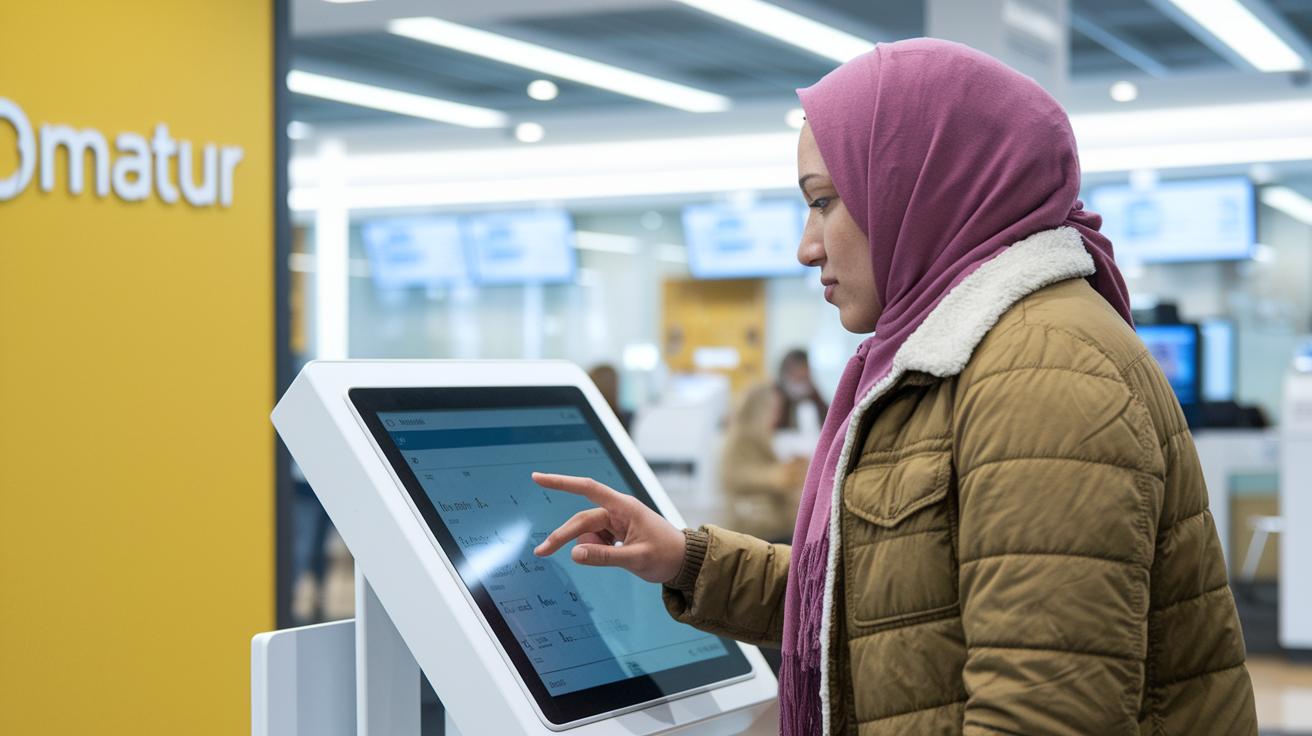
Have you ever thought banking could be fun? Today’s banks are mixing easy digital tools with real, friendly help so that you can finish your tasks quickly and with ease. Picture walking into a bank, using a touchscreen kiosk, and chatting with a live video teller if you need a hand. This new setup makes transactions faster and creates a more relaxed, adaptable service. In this article, we'll take a closer look at how these smart changes are turning everyday banking into a genuinely delightful experience.
How Modern Branch Banking Technology Transforms Customer Engagement
Modern branch banking technology has reshaped how we interact at a bank. They now blend digital tools with live, in-person service. Banks offer self‐service kiosks and video tellers so you get smart help with a personal touch. Picture this: you walk into a branch, complete your transaction on a touchscreen kiosk, and receive friendly guidance from a video teller.
This customer-first approach has banks pushing service hours far beyond the usual limits. Many now let you open an account online anytime, day or night. It’s as simple as ordering your favorite snack at any hour.
Branches are also using self-service tablets and interactive teller machines to make everyday banking quick and clear. In fact, using AI to keep everything running smoothly has cut downtime by 30% and lowered costs by 15%. A recent survey shows that 58% of banking technology chiefs are already using or planning to use AI to boost customer service.
Contactless deposit options add another layer of speed and safety. With this technology, you no longer wait in long lines or handle paper checks. Banks today turn their branches into lively centers where digital ease mixes with personal care, really delighting customers.
Essential Technology Pillars in Modern Branch Banking Technology
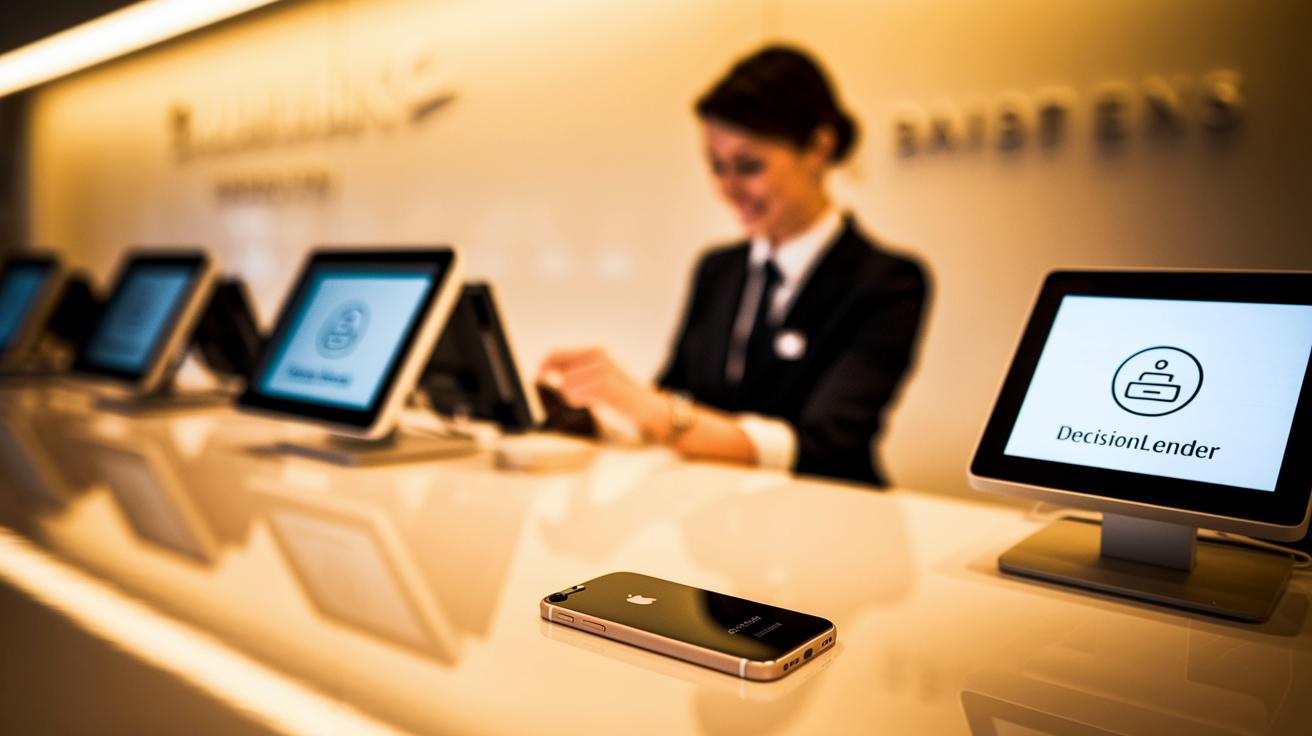
Modern bank branches now rely on a mix of smart tools that make everyday banking simpler. Right at the front are software solutions like DecisionLender®, Mortgage Credit Link™, and CreditAPI®, which smooth out the loan process. These tools work together with cloud-based banking platforms (SaaS means the software is hosted on the internet) to merge live data with business insights. This setup helps banks make quick decisions while keeping services reliable and up to date.
The system’s design uses something called microservices architecture, meaning banks can add new features without disrupting daily work. In plain terms, each part can be updated on its own without causing delays. IoT, or the Internet of Things (devices connected online), also plays a key role by monitoring branch equipment and assets remotely to spot issues before they affect customers. And thanks to thoughtfully designed interfaces, signing up and completing transactions is quicker and easier. Some branches are even using next-generation automation like RPA-enabled task automation, where robots help with routine tasks to cut down on mistakes and save time.
All these pieces work together to create an environment where high-tech innovations meet genuine customer care. Cloud-based platforms keep everything steady, while microservices and IoT tools ensure each update improves overall efficiency and satisfaction. Every component is built to meet today’s challenging demands, making each branch a true blend of advanced technology and practical financial service.
Measuring Success with Modern Branch Banking Technology
Modern branch banking tech is really making a difference. For example, one regional bank boosted its cross-selling chances by 25 percent in just a year after using a full-service approach. That shows banks can lift their earnings and make customers happier by joining their services together.
Banks now rely on real-time data to watch their results and quickly adjust plans. They check everything, from how fast transactions are to customer comments, using automated systems that tie service together. One bank discovered that using AI to predict maintenance needs cut its downtime by 30 percent and slashed operating costs by 15 percent. In short, smart tech not only delights customers but also smooths out daily operations.
Some banks are also going green. Energy-smart branch designs have reduced carbon footprints by 30 to 50 percent. With 68 percent of millennials preferring banks that care about the planet, this approach wins both trust and new business. In 2023 alone, 1,045 new U.S. branches opened, proving that brick-and-mortar spaces are evolving with today’s digital advances.
Altogether, live data, smart predictions, and eco-friendly designs work hand-in-hand to create a service experience that truly connects.
- Uniting different channels gives customers a smooth, single journey.
- Quick data insights help banks make speedy decisions.
- AI tools boost both safety and service quality.
Addressing Challenges in Implementing Modern Branch Banking Technology

Banks run into several hurdles when they try to upgrade their branch technology. One big challenge is merging new software with old systems. These older setups often don't match up with digital finance tools, which can cause some headaches during the transition. As a result, banks need to find secure transaction software that can play nicely with legacy systems.
Then there's the matter of training staff on these new interfaces. When advanced teller systems come into use, employees need hands-on practice with tools like remote assistance and automated compliance controls so they can work confidently and reduce mistakes.
Cybersecurity is another hot topic. Each new device or software connection adds its own set of risks. To tackle this, banks might use intelligent document processing alongside upgraded security measures. This helps fend off potential threats and meets strict rules that demand real-time audit trails. They may also lean on digital finance risk management strategies to keep everything under control.
Budget constraints can also slow things down. Limited funds often mean banks have to make tough choices and upgrade their technology in steps.
- Integration challenges with older systems
- Increased cybersecurity risks
- Training needs for new teller interfaces
- Meeting real-time audit trail regulations
- Budget limits affecting rollout speed
Integrating Robust Cybersecurity in Branch Banking Technology
Today’s bank branches use strong cybersecurity measures to keep customer data safe and fight against fraud. End-to-end encryption works like a secure lock on every bit of data sent from your device to the bank. Think of it as writing a secret note in class with a special code that only your friend can read.
Banks also use multi-factor authentication. This means that if someone figures out your password, they still need another check to get in. And with biometric facial recognition, your unique features confirm it’s really you. Meanwhile, AI is on the lookout, checking for any odd patterns and alerting the bank if something seems off.
They use automated systems to follow strict data privacy rules, ensuring every step meets regulatory standards. Plus, new customers go through careful checks during onboarding, which helps cut down on fraud. All these tools work together to build a solid cybersecurity system that protects both the bank and its customers.
- End-to-end encryption protects every data transfer
- Multi-factor authentication stops unauthorized access
- Facial recognition confirms your identity
- AI watches for suspicious activity in real time
- Automated systems keep data privacy in check
Driving Sustainability and Operational Efficiency with Branch Banking Technology

Today’s branch banking solutions bring speedy service that delights customers while also benefiting the environment. Banks are now choosing green IT choices that lower energy use and cut down waste. For example, using cloud-native back-end systems means fewer on-site machines, which makes branches both slimmer and more earth-friendly.
AI-powered maintenance predicts problems before they turn into full-blown breakdowns, reducing equipment failures by about 30%. This smart system helps banks tackle issues early, so disruptions become a thing of the past. Plus, energy-saving lights and smarter HVAC controls trim emissions by up to 50%, showing that green technology can work hand in hand with efficient operations.
Banks are also stepping up their game with strong disaster recovery plans. These systems keep services running smoothly even when unexpected events occur. Meanwhile, a fresh look at physical branch layouts turns these spaces into modern hubs that mix sustainability with cutting-edge technology.
| Benefits | Description |
|---|---|
| Sustainable IT | Lower energy waste and fewer hardware needs |
| Predictive Analytics | Fewer maintenance issues through early detection |
| Disaster Recovery | Keeps services running during unexpected events |
All in all, these innovations not only speed up service for customers but also help the planet and smooth out everyday operations.
Strategic Roadmap for Modern Branch Banking Technology Adoption by 2025
Big banks are planning a step-by-step update to their branch technologies, making sure each move works for everyday customers. They’re starting off by moving old systems into the cloud, which means they can update things without a hitch and connect data in real time.
Next, they’re trying out smart kiosk programs in a few branches. This lets customers use self-service options while banks make sure these tools hit the mark. And, to keep up with these new systems, staff are learning the digital ropes so they can manage these changes with confidence.
Banks are also setting up teams to watch over how things perform across different channels, ensuring every customer touch is smooth and helpful. At the same time, they’re setting clear targets to align these updates with sustainable practices, so technology and responsibility go hand in hand.
They’re adding flexible, mixed financial models that allow for constant improvements, and they’re building systems that can scale as needed. With a full plan for connected services in every branch by 2025, banks want to create efficient, modern hubs for all their customers.
In truth, this thoughtful roadmap is all about staying agile and ready for tomorrow while making sure every customer enjoys a top-notch experience today.
Final Words
In the action, we saw how digital tools and AI-powered systems make in-branch visits more personal and efficient. The blog highlighted interactive self-service kiosks, video teller innovations, and cloud-based platforms that cut downtime and lower costs. It explained how secure transaction software and smart user interfaces boost satisfaction while addressing compliance challenges. By streamlining operations and enhancing customer experiences, modern branch banking technology creates a secure, streamlined financial environment. The future looks bright as banks continue to evolve with these dynamic, practical solutions.
FAQ
What is modern banking technology?
Modern banking technology refers to digital tools and systems that banks use to improve customer service and streamline operations. It includes self‐service kiosks, contactless deposits, and AI-enhanced solutions.
What is the future of branch banking?
The future of branch banking means a blend of digital features in physical locations. Branches will use smart interfaces, AI tools, and enhanced self-service options to offer faster, more secure transactions.
What is a branch banking system?
A branch banking system is a network of physical bank locations supported by digital technologies. It integrates traditional teller services with interactive digital tools to provide a more efficient customer experience.
What are the new technologies for the banking sector?
New banking sector technologies include cloud-based platforms, video teller innovations, and AI for predictive maintenance and fraud prevention. These solutions help banks serve customers faster and reduce operational costs.
