

Ever wonder if our economy might be showing signs of a sunny future even when things look mixed? Some figures hint at a gentle rebound, kind of like winter slowly giving way to spring. We’re seeing wages rise quickly and the gross domestic product bouncing back, yet prices are still on an upward climb. In this post, we’ll chat about the key signals in the economy, from growth and inflation to job trends, to explain why there might be more optimism than fear ahead. Stick with us as we break down the factors shaping the financial road ahead.
Economy Overview: Growth, Inflation, and Job Trends
The latest data shows the U.S. economy is giving us mixed signals. In the first quarter, things were slowing down, but by Q2, the economy bounced back in a big way, kind of like a deep freeze giving way to a warm spring. This comeback helped push annual growth numbers up, even though some uncertainty still lingers.
Prices remain at the forefront of our attention. In August, the core Consumer Price Index, which tracks everyday price changes, hit 3.1%. Meanwhile, the Personal Consumption Expenditures (PCE) inflation rate, which looks at the prices of goods and services, was 2.7%. Both are above the Fed’s 2% goal, signaling that price increases are stubbornly sticking around despite the strong GDP rebound.
There’s a bright spot, too, in wage growth. In June, earnings increased by 4.2%, meaning workers are getting paid more even though job creation in Q2 was a bit sluggish. This steady rise in wages hints that the labor market is slowly getting back on track, which might boost consumer spending as people feel more financially secure.
Overall, the picture is a blend of encouraging and cautious signs. With a strong mid-year GDP recovery, controlled yet persistent inflation, and rising wages, the market seems to be moving toward a steadier economic future.
Monetary Policy & Interest Rate Adjustments Shaping the Economy
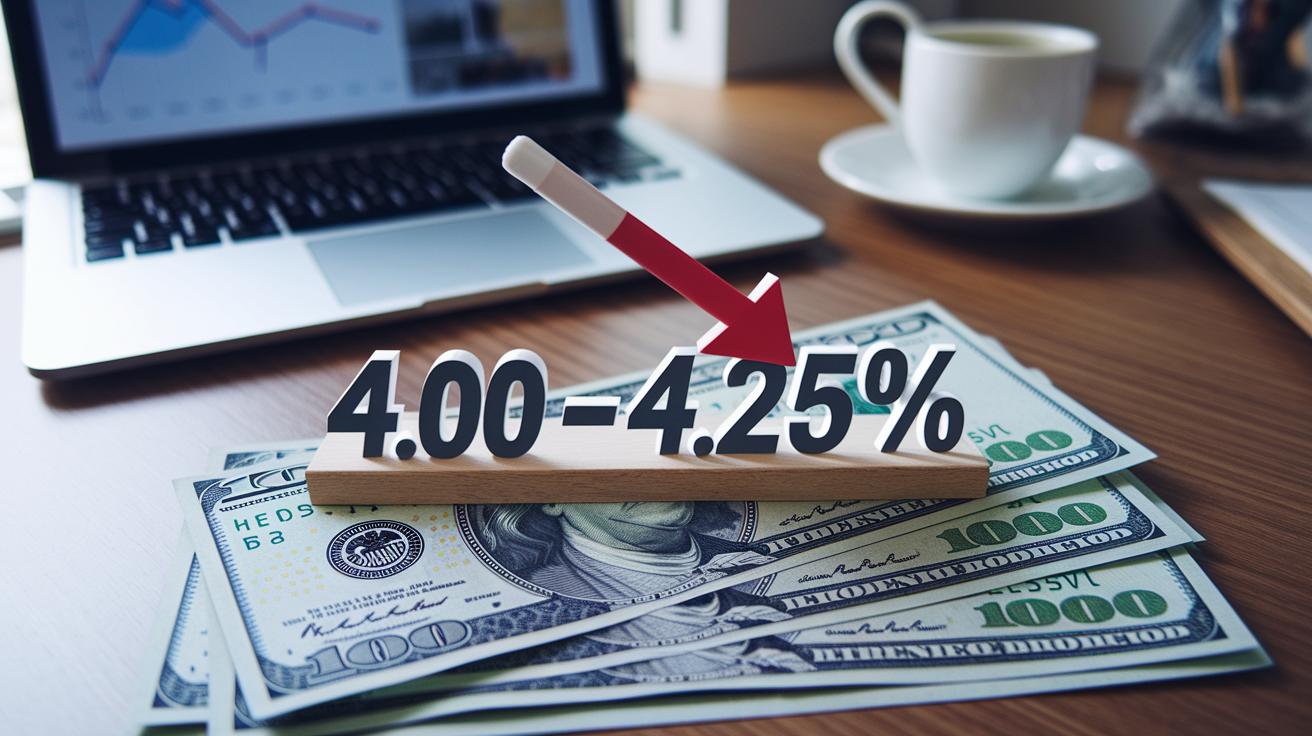
Fed Rate Cut & Current Funds Rate
The Federal Reserve recently lowered its benchmark rate by 25 basis points to a range of 4.00% to 4.25%. This move is similar to past changes that made borrowing cheaper for people and businesses alike. Think about it like this: when rates dropped before, lower loan costs helped boost spending and investments. This cut shows they’re trying to keep growth steady, even as ongoing trade tensions and tariffs stir up worries about a possible recession.
Inflation Targets & Next Steps
The Fed’s goal is to bring long-term inflation down to 2%, but recent numbers suggest things are a bit off track. For example, the core Consumer Price Index is around 3.1%, while Personal Consumption Expenditures inflation sits at 2.7%. These differences make the balancing act tougher as they try to support a growing economy while managing higher prices. It’s a bit like adjusting a recipe – even a small tweak can change the final flavor. They’re watching these numbers closely and might make more rate adjustments if inflation doesn’t slow down as hoped. The idea is to keep the economy expanding while nudging prices closer to the target, all while dealing with some lingering uncertainties.
Labor Market Dynamics and Consumer Confidence in Today’s Economy
During Q2, we noticed a clear slowdown in job growth. Even though the economy is starting to turn around, companies are cautious about hiring new workers. It seems they’re taking a careful look at the risks before expanding their teams.
Everyday money confidence is tracked using tools like the University of Michigan’s Sentiment Index and The Conference Board’s Consumer Confidence Index. These measures capture how hopeful or uncertain households feel about their financial future, which in turn shapes their spending decisions. When consumers feel upbeat about their situation, they tend to spend more, even if job growth isn’t booming.
Here are some key points affecting household finances:
- 4.2% wage growth in June
- $1.7 trillion in automotive debt
- Pressure from increasing rent prices
- Shifts in the way people shop at retail stores
- Changing conditions in the credit market
Rising wages can boost incomes, but a hefty automotive debt load might strain budgets. Rent increases also squeeze what families can spend on extras, while shifts in retail spending highlight changing priorities. Plus, fluctuating credit conditions can affect the cost of borrowing and overall financial health.
Keeping a close eye on these labor and financial signals gives us a fuller picture of the current economic mood. Despite the slow pace of hiring, steady wage gains and evolving consumer confidence work together to guide spending patterns. And in the end, it’s this mix that underpins the resilience of today’s economy.
Market Indicators and Financial Volatility in the Economy

Over the past few trading days, stock indexes have shown a mix of small dips and steady gains. The Dow Jones Industrial, S&P 500, and NASDAQ 100 have all been up and down, reminding us that markets change quickly, like the weather. One minute it might feel warm and the next, a cool breeze signals a shift. These ups and downs show both the caution and the hope in the market as traders weigh risks against rewards.
| Indicator | Current Value | YTD Change |
|---|---|---|
| Dow Jones Industrial Average | 34,500 | -1.2% |
| S&P 500 | 4,200 | +2.5% |
| NASDAQ 100 | 13,700 | +5.8% |
| 10-Year Treasury Yield | 3.45% | +0.15 ppt |
Changes in currency value and fluctuating mortgage rates make decisions even trickier. Investors are watching as the U.S. dollar slides, affected by uncertainty over tariffs, while day-to-day shifts in mortgage costs force people to rethink their plans for buying property or spending money. Rent prices are rising faster than the overall Consumer Price Index, putting extra strain on household budgets. All these signals mean that while caution is needed, there is also a sense of optimism, with some hoping that today's ups and downs might lead to new opportunities tomorrow.
what's going on with the economy: Optimism Ahead
In June the U.S. trade deficit fell to $60.2 billion, showing that the difference between what we import and export is shrinking. This drop tells us that changes in trade are happening, which might lead to a more balanced global trade picture.
New measures like tariffs and fees at ports for ships connected to China have been put in place to limit what many believe is unfair competition. They aim to protect local businesses and push companies to look closely at how they manage their supply chains. Meanwhile, higher fees on H-1B visas have raised questions about moving operations overseas as companies balance wage expenses with local investments. Together, these policy moves are making businesses rethink their long-term plans.
Over in the Eurozone, inflation climbed to 2.2% in September while core inflation stayed around 2.3%. These rising prices add another piece to the global economic puzzle. It seems that even though some consumers face higher costs, the underlying trends are steady, painting a different view of the economy.
Economic risks now stretch across the globe. Changes in trade policies, political tensions, and shifting market conditions mean that every leader must consider these challenges. The mix of new policies and market reactions creates an outlook that is uncertain yet filled with a sense of cautious optimism.
Economic Outlook and Forecast Models for Today’s Economy

Recent Q2 GDP numbers show the U.S. economy doing better than most experts expected. It gives us hope for a recovery, even though some worries still linger. Trade rules and new tariffs, along with slower job growth, remind us to keep an eye on possible recession hints.
Some experts are really watching these risks. They talk about how uncertain global trade and rising costs could slow us down, much like unexpected bumps on a road. To figure out what might happen next, they use different forecasting methods like scenario planning. Think of it as planning for several possible weather days!
Deloitte’s Global Economics Research Center is a key player here. They share weekly updates on changes in policy, consumer spending, and global trends. Their work builds a clear picture of the worldwide finance scene, which is really helpful in these unpredictable times. With these steady insights, decision-makers get early hints about changing fiscal policies, creating a sort of roadmap that ties our current recovery to future economic challenges.
Final Words
In the action, we explored economic growth trends, inflation changes, and shifts in job growth. We looked at how rate cuts have shaped borrowing costs and what these signals mean for consumer spending.
We also discussed changes in trade and global fiscal policies, linking them back to overall market performance. This clear view helps paint a picture of what's going on with the economy. The story ahead feels optimistic and ready for further financial opportunities.
FAQ
Q: What’s going on with the economy today, this week, and on reddit?
A: The current economy shows mixed signs. GDP dropped in Q1 but bounced back in Q2. Inflation is above the Fed’s target, wages are rising, and job growth lags, all while trade tensions add extra pressure.
Q: What is wrong with the economy today?
A: The economy today faces pressures from rising inflation and trade issues. Despite a Q2 GDP rebound and growing wages, slower job gains make for a challenging economic scene.
Q: What does U.S. economy news today say about its strength?
A: U.S. news highlights a recent GDP recovery, a 25-point basis rate cut, and solid wage gains. Yet, ongoing trade concerns and modest job growth suggest caution when judging overall strength.
Q: What does world economic news report?
A: Global news points to varied growth rates, with some regions facing inflation and trade policy shifts. These international trends affect fiscal outlooks and investor sentiment across borders.
Q: What can economic articles for students explain?
A: Economic articles for students break down complex ideas like GDP, inflation, and job trends into clear, simple terms. They use practical examples to connect textbook terms with real-life financial decisions.
Q: Why is the US economy falling?
A: The US economy shows signs of strain due to trade tensions, higher-than-target inflation, and slow job growth in specific areas. These issues contribute to uncertainty despite rebounds in overall GDP.
Q: Did Biden take steps to improve the economy?
A: Biden has introduced policies to boost growth and address labor and trade concerns. While measures have helped in wage growth and GDP recovery, challenges remain as global pressures continue to impact the market.
