

Do unpredictable market swings give you sleepless nights? Crypto investing can feel like a wild roller coaster, but a smart plan helps keep things steady.
In this article, we explore simple strategies that mix holding your coins for the long run with thoughtful, regular buys. Think of it like planting a little seed and watching it slowly turn into a strong plant.
We’ll share clear, practical ways to blend safety with growth as you balance risk and profit. Let’s see how a focused plan can brighten your crypto journey.
Comprehensive Crypto Investment Strategies for Safe, Profitable Gains
Crypto markets can be wild, prices might shift by 10–20% in a single day. That’s why mixing long-term and short-term strategies is a smart move. Many investors choose a HODL method, where you buy coins like Bitcoin or Ethereum and simply hold on, much like planting a seed and giving it time to grow. Another approach is called dollar-cost averaging. You invest a little bit on a regular basis, say, every week or month, which helps balance out the highs and lows of the market.
It also helps to spread your investments across different types of coins. You might put more into established ones while trying out a smaller part on newer projects. This kind of mix can soften the impact if one part of the market takes a hit. It’s a simple way to manage risk while keeping your options open.
For those who enjoy active trading, medium- and short-term plans can work well. You might buy when prices dip, say, after a 10–20% drop, or even try day trading to catch quick shifts. Using tools like moving averages, the Relative Strength Index (a measure of how fast prices change), and sentiment indicators like the Fear & Greed Index can make it easier to decide when to jump in or pull back.
Before you start any strategy, though, thorough research is crucial. Look over white papers, check the reputations of the teams behind the projects, and keep an eye on trading volumes and liquidity, which shows how easily you can buy or sell your coins. And don’t forget about security, choosing between cold wallets (offline storage), hot wallets (online storage), or custodial services is like picking the best spot to guard your garden. With careful attention, your crypto investments can grow steadily over time.
Long-Term Crypto Holding and Dollar-Cost Averaging Strategies

HODLing means buying popular cryptocurrencies like Bitcoin and Ethereum and holding onto them for many years. This approach isn’t about predicting market moves, but rather about sticking with your investment whether prices go up or down. For example, an investor might decide to purchase a fixed amount of Bitcoin every time the price drops. Over time, these periodic buys can turn market dips into chances to build more of the asset. Before Bitcoin became a household name, early enthusiasts who held on during volatile periods often saw their patience pay off.
Dollar-cost averaging, or DCA, is another method where you invest a set amount on a regular schedule instead of all at once. This means you buy more crypto when prices are low and less when they’re high. Imagine putting in $100 each month into Ethereum. Over time, these regular investments can help level out the differences caused by sudden price changes. This strategy is particularly helpful for new investors who are just starting out and want to build their portfolio gradually.
| Strategy | Approach | Example |
|---|---|---|
| HODLing | Buy and hold for years | Purchase Bitcoin during price dips and keep it long-term |
| DCA | Invest fixed amounts regularly | Invest $100 monthly in Ethereum, adjusting to market lows and highs |
Both strategies call for careful, steady investing. They focus on making regular contributions to help balance risks during market highs and lows, offering gradual benefits over time.
Active Medium- and Short-Term Crypto Trading Tactics
Short-term crypto trading means you have to act fast when market prices change. Many traders buy tokens during a 10% to 20% drop, seeing these dips as a chance to earn. For instance, day trading involves buying and selling within the same day. A trader might buy early in the morning and then sell once a 5% gain appears, showing that quick actions and careful patience can work well together.
Another approach is scalping. This method uses tight stop-loss orders, which are like safety nets that automatically sell a token if its price drops a little, say 2% below your entry point. It’s a strategy that scoops up small gains repeatedly while keeping losses low when the market shifts suddenly.
Some traders also use simple computer programs that set clear rules for buying and selling. These programs look at factors like liquidity, how easily you can trade an asset, and volume. This helps decide if a price move might be strong or short-lived.
- Buying the dip: Collect tokens when prices fall by 10% to 20%.
- Day trading: Make quick trades within the same day.
- Scalping: Use tight stop-loss orders to secure small, repeated gains.
Active trading means you must keep a close eye on risks and the overall market mood. These techniques help you tap into the fast pace of the crypto market while managing potential downsides.
Risk Management in Crypto Markets: Minimizing Losses in Volatile Environments

Crypto markets can be wild. It’s best to only invest money you can really afford to lose. One good idea is to decide ahead of time how much of your money you want to risk on each trade. This is called position sizing. It’s like choosing to use just a small piece of your savings so that one bad trade doesn’t hurt you too much.
Stop-loss orders are another handy trick. They work by automatically selling your crypto if its price falls to a level you’ve set. Think of it as an automatic safety net when the price dives. I mean, when Bitcoin dropped about 85% in 2018, having stop-loss orders would have helped protect some of your funds.
Tools like the Fear & Greed Index are also useful. They measure the overall mood of the market on a scale from 0 to 100. When the numbers get too extreme, it might be a sign to pause and think twice before making a move.
- Only invest money that you’re comfortable with risking.
- Decide how much of your portfolio to risk on each trade.
- Use stop-loss orders to limit losses automatically.
- Check market mood with tools like the Fear & Greed Index.
Lastly, diversifying your investments by spreading them across different tokens that don’t move in the same direction can help keep your losses in check. It’s like not putting all your eggs in one basket, which can really help make your strategy stronger in times of market turbulence.
Fundamental Analysis and Due Diligence for Crypto Asset Evaluation
Evaluating White Papers
Looking at a project’s white paper is a great way to understand its vision and technical details. A solid white paper will include a clear plan for development, a fair way to distribute tokens, and a unique use case that stands out. Think about it like checking a recipe before baking a cake, you need to see that all the key ingredients are there.
Assessing Team and Community Engagement
It’s important to dig into the background of the team behind a project. Check out the founders’ past work and even their contributions on GitHub to see if they've done similar successful projects. Also, a vibrant community matters, a steady flow of developer updates, active forums, and ongoing social media buzz can show the project has strong support. It’s a bit like watching how well a sports team communicates and works together to win games.
Reviewing Market Metrics
Market numbers can give a clear picture of a crypto asset’s health. Look at liquidity to understand how easily the asset can be bought or sold, this is often shown by the average daily trading volume and which trusted exchanges list the asset. Historical price charts with clear support and resistance levels can act like a map, guiding you through the twists and turns of price changes. It’s similar to checking traffic reports before you hit the road.
Adoption and Usage Indicators
Finally, check how much the asset is actually used. Monitoring active addresses and counting transactions can reveal if real people are engaging with the project. Partnerships with well-known companies can further boost its credibility and growth potential. It’s like reading reviews for a new restaurant, seeing a steady stream of happy customers can encourage you to give it a try.
Technical Analysis in Crypto: Indicators, Chart Patterns, and Tools
Moving Averages & Trend Signals
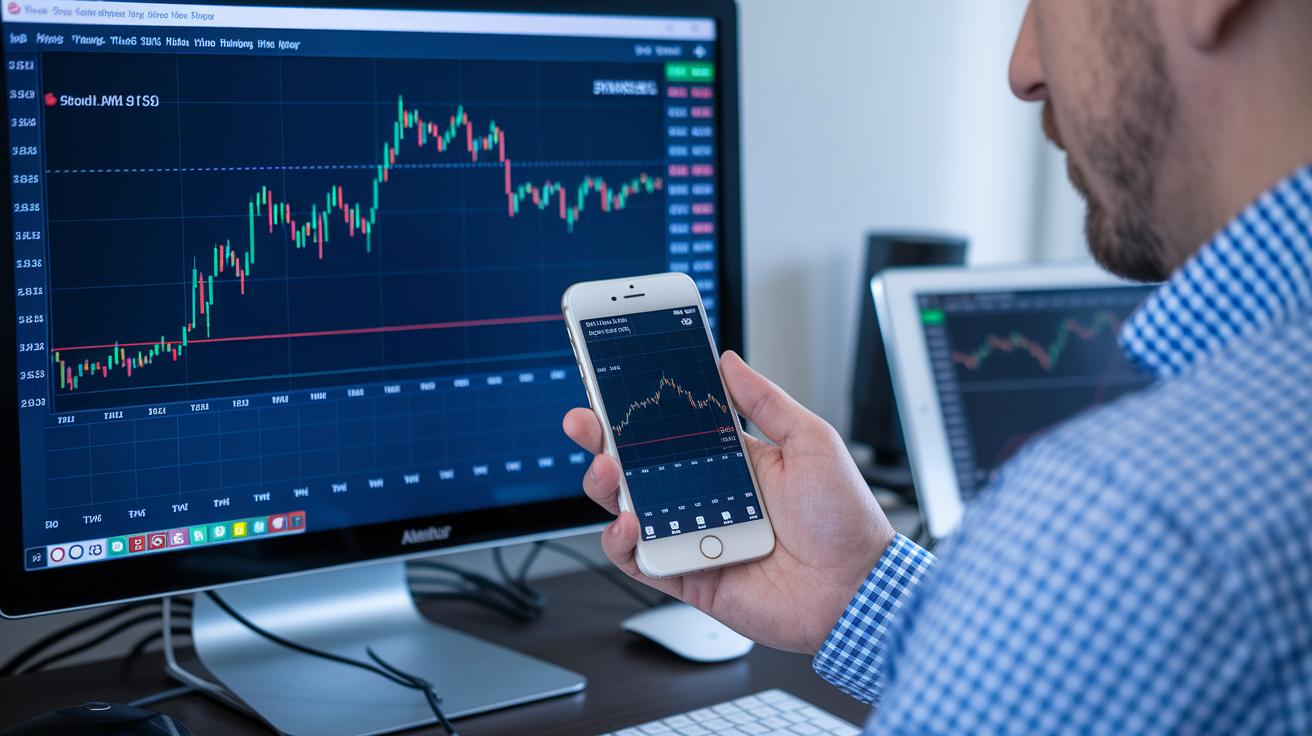
Moving averages are a favorite tool for many traders to check if a trend is on track. Many folks use EMAs, like the 50-day and 200-day lines, to see when trends might change. When the 50-day line moves above the 200-day line, it’s often treated like a green light, a cue to consider buying. It’s a simple way to clear out the market noise and spot the overall direction.
RSI & Momentum Oscillators
The Relative Strength Index, or RSI, helps us figure out if a coin might be too expensive or too cheap. If the RSI climbs above 70, it can mean the price might drop soon, and if it falls below 30, things might be due for a bounce. Traders also keep an eye on MACD, which checks the speed of movements. So if you see RSI high and MACD slowing down, it might be a good idea to tighten your stop-loss. It’s like having two friends agreeing on a tip.
Volatility Bands
Bollinger Bands are another handy tool. They show us when price swings are getting wider or tighter. When the bands are very narrow, it can signal a squeeze, setting the stage for a big move soon. Many traders use alerts on platforms like TradingView to get notified when the bands change shape. Of course, no single tool can predict everything perfectly, so blending these indicators can give a clearer picture of potential market moves for everyone, from new traders to experienced pros.
cryptocurrency investment strategies shine for smart growth
When you build a digital portfolio, you mix different types of assets to smooth out the bumps along the way. For example, imagine setting up your investments with 50% in Bitcoin, 10% in Ethereum, 30% in altcoins, and 10% in stablecoins. This mix is like not putting all your eggs in one basket, it balances the chance for big gains with a little safety when the market gets choppy.
Regular check-ups are a must. Many investors take a few minutes every quarter to see if their portfolio has drifted by about 5% to 10% from their plan. When that happens, it’s time to rebalance. In simple terms, you sell a bit of the assets that have grown too much and use that money to buy more of the ones that haven’t done as well. For instance, if Bitcoin shoots up and its share becomes too high, a smart move is to sell a little and reinvest the money into other parts of your portfolio, locking in some gains while keeping risk in check.
- Mix your portfolio based on how much risk you’re comfortable with and the rewards you’re aiming for.
- Review your allocations every few months to ensure they stay close to your targets.
- Rebalance by selling some of your high performers and buying more of the undervalued ones when needed.
This approach is a lot like tending a garden, regular care and a few tweaks keep everything thriving. When you stick with it, disciplined adjustments not only help lower risks during wild market swings but also set you up for stronger returns over time.
Secure Storage and Regulatory Compliance for Crypto Investors
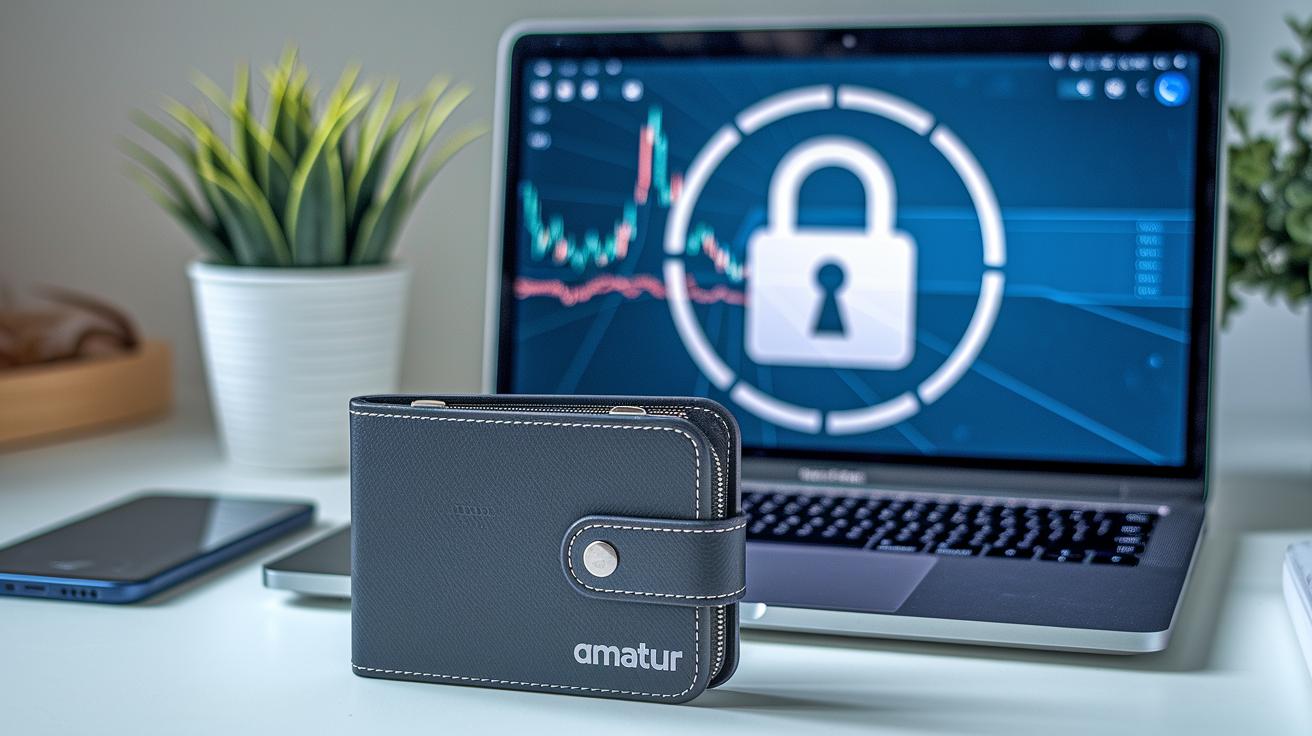
When it comes to protecting your crypto, the first step is choosing how to store it. Think of a hardware wallet, often called cold storage, as a secure vault that keeps your coins offline, much like a locked safe. Meanwhile, a software wallet, or hot storage, gives you quick access to your funds but calls for extra vigilance. For larger amounts, many investors opt for institutional custodians, which add another layer of safety.
It’s also smart to use extra security measures like two-factor authentication. Picture needing both a key and a secret code to unlock your door. In addition, tools like encrypted seed backups and multi-signature setups act as safety nets by requiring several approvals before any transaction takes place.
And let’s not forget the rules. Staying compliant means following checks like KYC/AML, which stands for know your customer/anti-money laundering, and keeping up with proper tax reporting. Keeping track of both local and international policy updates is a bit like keeping up with the latest safety guidelines in your favorite sport, it helps you avoid legal hassles while supporting steady, secure growth in your crypto portfolio.
Final Words
In the action, the post broke down a range of approaches, from holding long term with HODL and dollar-cost averaging to active mediums and day trading. It showed us how to balance gains with solid risk management, improve fundamental and technical analyses, and keep portfolios diversified and secure. Each section builds upon smart, careful thinking to guide cryptocurrency investment strategies. Enjoy putting these insights into practice and feel good knowing you have clear steps to make smart financial moves.
FAQ
What are some effective cryptocurrency investment strategies for beginners?
The investment strategies for beginners focus on long-term holding (HODL), regular buying through dollar-cost averaging, and diversification, which help smooth out volatility and build a stable portfolio.
What are the best cryptocurrency investment and trading strategies?
The best strategies mix long-term holding with active moves like buying dips and short-term trading. They also use risk management tools like stop-losses and diversification to protect your investments.
What is the most profitable strategy in crypto trading?
The most profitable strategy depends on market conditions. Combining thorough research, smart entry points, buying dips, and risk control often offers the best chance for substantial gains.
Where can I find a crypto trading strategies PDF or free download?
You can find free downloadable PDFs of crypto trading strategies on educational finance sites, crypto forums, and blockchain blogs that share guides on technical analysis and risk management techniques.
How much should I invest in crypto per month?
The amount to invest each month depends on your financial situation. Many investors use dollar-cost averaging, investing only what they can afford without impacting their essential expenses.
How much would I have if I invested $1000 in Bitcoin 5 years ago?
A $1000 investment in Bitcoin five years ago would likely have grown significantly, though actual returns depend on market timing, transaction fees, and Bitcoin’s price fluctuations during that period.
Can you make $500 a day with crypto?
Making $500 a day from crypto trading is possible but challenging. Day-to-day earnings depend on market volatility, the trader’s skill level, and strict risk management practices.
