

Ever wonder if day trading is a real opportunity for beginners? Think of it like dropping a little coin into a piggy bank each time until the savings add up. Day trading moves fast and demands quick decisions. But with the right tips, you can learn how it works without feeling lost.
In this article, I'll share simple steps that explain how prices change in real time, help you pick the best tools for the trade, and guide you in creating a steady plan. So, are you ready to explore what day trading can do for you?
What Is Day Trading?
Day trading is all about buying and selling stocks within the same day. Traders aim to earn small profits that, when added up over many trades, can build a healthy gain over time. Think of it like picking up a few pennies from different corners, the small wins can quickly add up.
In this fast-paced world, quick decisions are a must. Traders watch real-time price changes and act on brief opportunities. For example, many traders work with just a few cents profit per share in one trade. But when you multiply that by hundreds of trades, even a tiny gain can become significant. You really need to know your charts and have a solid plan in place, because one bad move can undo several small wins.
Day trading is very different from swing trading. While swing trading holds positions for days or weeks to catch bigger price moves, day traders stick closely to the clock and watch for short bursts of volatility. The quick turns in the market make accurate, live data essential. If you’re new to this, remember the same-day game requires extra care and precision compared to the more gradual approach of swing trading.
Getting Started with Day Trading: Accounts, Platforms, and Tools

When you start day trading, the first step is picking the right account and platform. You can choose a margin account, which lets you borrow money to boost your trades, or a cash account that only uses the cash you have. Many traders begin with a demo account to get comfortable before trying live trading.
Here’s a quick look at your choices:
- Margin vs cash accounts: With a margin account you can trade using borrowed funds, but you need to be extra careful with risks. Cash accounts, on the other hand, only let you trade with the money in your account.
- Demo vs live trading: A demo account offers a risk-free way to practice using virtual tools and test your trading ideas.
- Essential trading tools: A good computer, fast internet, and speedy order execution are key. Charting software, like the tradingview chart, helps you follow the market trends clearly.
Keep in mind that margin accounts usually require a minimum deposit of $2,000 and maintaining at least 50% of borrowed funds as a safety measure. Also, if you execute four or more day trades within five business days, especially when these trades make up more than 6% of your total trading activity, you fall under pattern day trader rules. This is important to remember as you build your trading routine.
Essential Day Trading Strategies for Beginners
Picking a trading strategy that clicks with you is the first step toward steady success. When you have a clear plan, you can aim for small wins without falling into the trap of rash decisions. It all comes down to matching the method to both market conditions and your personal comfort level.
Scalping is all about quick trades that grab tiny profits over and over again. Imagine gathering many little drops to fill a bucket, each little gain adds up. You need to be alert and ready to act fast.
Momentum trading means catching a strong trend when prices move with high volume. You hop on board when the market shows big swings, much like riding a wave. This approach works best in fast-moving, energetic markets.
Breakout trading involves entering a trade when prices push past important support or resistance levels. Think of it like stepping through a door to a new room, the change in mood signals new opportunities. Keeping a close eye on the market helps you choose the perfect moment to join in.
Reversal trading is based on the idea that after a wild swing, prices tend to settle back toward their usual range. It’s like noticing a too-high stack of blocks that eventually tumbles down to its normal height. Knowing past trends really comes in handy here.
News trading takes advantage of big events like earnings reports or major announcements by the Fed. When the news hits, prices can shift sharply, and being quick can help you catch a good position. It’s important to have a plan ready for these rapid changes.
Align these approaches with how the market is behaving today, and you’ll keep your trading both smart and flexible.
Day Trading Chart Analysis Basics
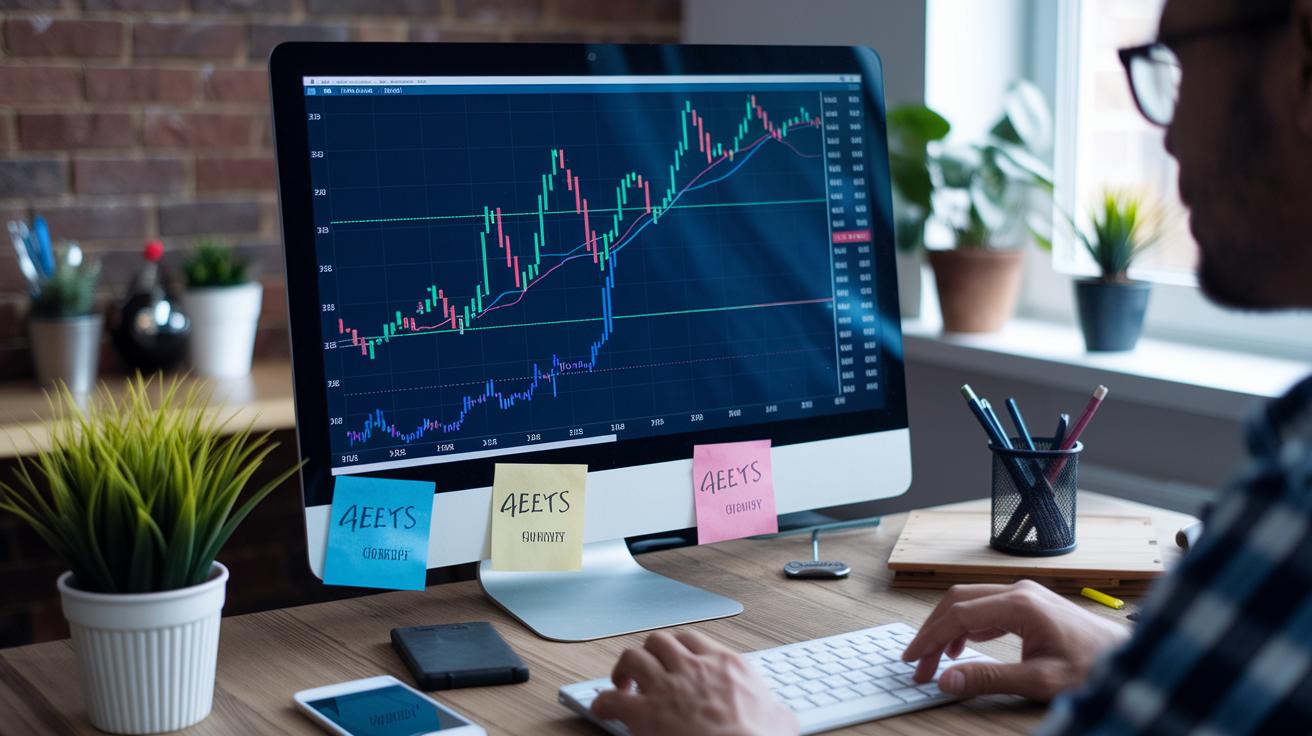
When you dive into day trading, reading charts is a big part of the game. Charts help you see key price floors and ceilings. Think of support levels as floors where prices tend to bounce, and resistance levels as ceilings that prices struggle to break above. Have you ever noticed how a clear pattern, like a flag or head-and-shoulders, can give you a heads up on whether prices might change direction or keep their course?
Now, let’s chat about these patterns a bit more. Take the flag pattern, for example. It might simply mean that prices are taking a short break before moving back on track. When you watch a chart and see these signals, it’s like spotting a road sign hinting that a turn is coming, simple but effective.
Beyond patterns, technical indicators add extra clues. Moving averages, for instance, smooth out daily price details so you catch the overall trend. And when you hear RSI mentioned, think of it as a tool that shows if a stock is too expensive or too cheap at the moment. Similarly, the MACD can point out shifts in momentum, and Bollinger Bands help you gauge how wild the price swings are. Watching trading volume is also key, it tells you if the moves have solid backing. Each of these tools can have their settings tweaked depending on the trend you’re tracking or the risk you want to manage.
| Indicator | Signal Type | Typical Settings |
|---|---|---|
| Moving Average | Trend direction | Simple: 50-day, 200-day |
| RSI | Overbought/Oversold | 14-day period, thresholds at 70/30 |
| MACD | Momentum shifts | 12, 26, 9 settings |
| Bollinger Bands | Volatility and price range | 20-day, 2 standard deviations |
| Volume | Confirmation of moves | Comparative daily volume |
Managing Risk in Day Trading
Day trading can feel like a roller coaster, exciting but a bit nerve-wracking. It’s smart to manage your risk so one bad trade doesn’t empty your account. Using stop-loss orders, which automatically sell your trade when losses hit a set point, is a good start. Many traders also suggest risking only 1–2% of your money on any single trade.
Having a solid plan makes a big difference. One common idea is to aim for a risk-reward ratio of at least 1:2. This means that even if one trade loses, a winning trade should earn you twice as much profit, helping to cover the loss. And remember, be careful with leverage (borrowing money for trading), too much can lead to sudden, heavy losses if the market turns against you.
Here are some simple ways to manage your risk:
- Stop-loss orders: Exit a trade automatically when losses reach a set limit, protecting you from major drops.
- Position sizing: Trade an amount that keeps any loss to just a small slice of your total money.
- Risk-reward ratio: Set targets so that potential rewards are at least double the risk.
- Leverage limits: Use borrowed funds sparingly to avoid amplified losses.
- Diversification: Spread your money across different trades to lessen the impact if one falls short.
Using these tools can help make day trading less stressful, allowing you to focus on steady, gradual success.
Paper Trading and Demo Practice for New Day Traders

Using a demo account is like having a flight simulator for trading. You can practice placing orders, reading charts, and trying out different strategies without risking real money. This safe space lets you see how your decisions change outcomes, helping you feel ready when you move to live trading.
Many platforms offer trading simulations that show live data and order flow. You get to experience the quick pace of real trading, complete with fast-changing numbers and moments where every decision counts. This hands-on practice helps you form good habits, understand various order types, and learn how to manage risk, a must-have skill in day trading.
Taking part in trading contests or simulation challenges is another great opportunity. Competing in these events lets you compare strategies with others, pick up handy feedback, and gain confidence as you get ready for live markets. Have you ever felt that rush of friendly competition? It might be just what you need to boost your trading skills.
Psychology and Discipline in Day Trading
Day trading often stirs up strong feelings like stress, anxiety, and bursts of excitement. When prices change quickly, these emotions can make you overtrade or ignore your stop-loss plans. You might even hold on to a losing trade, hoping it will turn around. Sadly, this approach can quickly drain your energy and money.
Taking time to manage your emotions is key. Try stepping away for a minute, taking a few deep breaths, or just pausing to clear your head. This little break can help you avoid quick decisions and lets you stick to your plan when every second counts.
Another smart move is to keep a detailed trading journal. Jot down each trade along with why you made it and how you felt at the time. Over time, you may spot patterns that help you adjust your strategy. Regularly looking back at your notes can help you become a more thoughtful and less reactive trader, paving the way for slow and steady progress.
Selecting Securities and Managing Fees in Day Trading
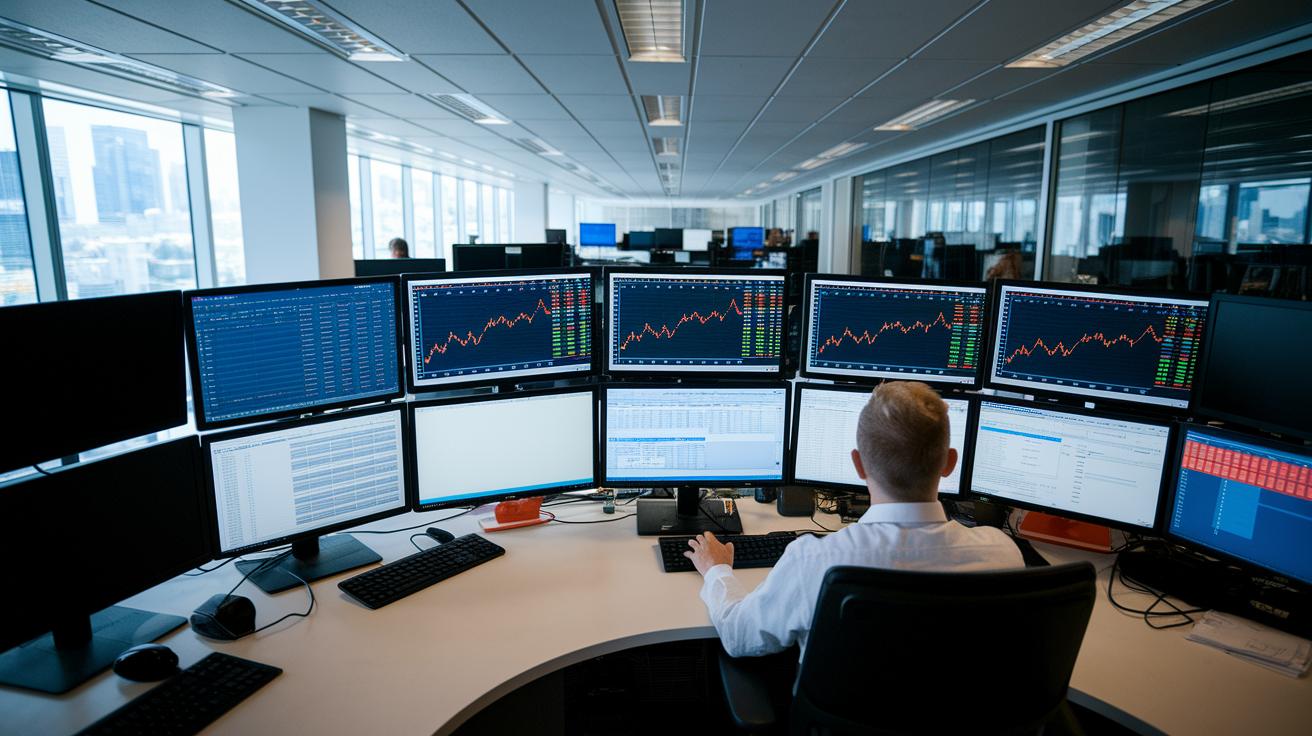
When you're day trading, it helps to pick stocks that are easy to buy and sell, change price often, and have lots of trading volume. Stocks such as AAPL, MSFT, and NVDA are common favorites because they move quickly, giving you plenty of chances for fast trades. You can also look at index-linked ETFs tied to major stock market indices, which are great if you're starting out with less money. Think of these active stocks like key ingredients in a recipe, each one mixes in just the right way so your trades run smoothly.
The order type you choose plays a big role in how fast and controlled your trades happen. Market orders are perfect when you need to jump in or get out right away since they execute nearly instantly at the current price. But if you want to set your own price, like aiming for a deal, a limit order lets you pick a specific buy or sell point. This helps you keep your cool, even when prices are changing in a flash. For example, if you’re waiting for a price that feels just right, a limit order locks that in rather than settling for whatever’s available.
Fees, like commissions and spreads, can really cut into your profits if you’re not careful. A lot of traders now opt for commission-free trading to help lower these extra costs. Knowing how your trading platform charges you, whether it’s per trade or through shared spreads, lets you make smarter choices. It’s a bit like being smart at the grocery store, where watching every expense means even small savings can add up over time.
Next Steps: Education Resources and Courses for Day Trading Beginners
Learning never stops when it comes to day trading. As you pick up new strategies, techniques, and insights into the market, you'll develop a strong plan and gain more confidence. With the right educational tools, you can adjust your approach and stay aware of any shifts in the market. Trying out different ideas over time helps you get better at making smart, timely decisions.
-
Recommended Books:
- A Beginner’s Guide to Day Trading
(Provides step-by-step tips and real-world examples) - How to Trade Intraday Successfully
(Focuses on hands-on strategies and managing risk)
- A Beginner’s Guide to Day Trading
-
Top Online Courses:
- Day Trading Fundamentals for New Traders
(Covers key topics like chart reading and planning trades) - Mastering Intraday Techniques
(Offers video lessons and fun quizzes to test your skills)
- Day Trading Fundamentals for New Traders
-
Introductory Webinars:
- Live Trading Strategies for Beginners
(Shows real-life trading situations and includes Q&A sessions) - Practical Chart Reading for Day Traders
(Demonstrates basic tools and explains how to use them)
- Live Trading Strategies for Beginners
-
Free Tutorial Resources:
- Day Trading Basics 101 Video Series
(Breaks down the key ideas into small, clear lessons) - Market Analysis for New Traders
(Explains technical indicators and how to spot trends in everyday language)
- Day Trading Basics 101 Video Series
Final Words
In the action, we explored day trading by breaking down same-day trade mechanics, risk management, and the essential strategies needed for each move. We looked at choosing the right accounts and tools, reading charts, and the importance of simulated practice to build discipline.
We touched on selecting securities, controlling fees, and ongoing education, giving real steps for success. Armed with this guide, day trading for beginners becomes a more approachable and informed experience. Keep these points in mind and step forward with confidence.
FAQ
Where can I find day trading for beginners books and PDF resources?
Day trading books and PDFs offer clear, step-by-step insights that introduce market basics and risk controls. Look for these on reputable online retailers and finance education sites that provide practical examples and easy-to-follow guidance.
Where can I find free day trading resources on YouTube and Reddit for beginners?
Free day trading resources on YouTube and Reddit deliver beginner-friendly videos and community discussions. These platforms offer practical tutorials, real-world insights, and supportive conversations to help new traders build foundational skills.
What are some of the best day trading resources for beginners?
The best beginner day trading setups mix user-friendly platforms with clear guides and demo accounts. They provide straightforward tutorials, risk management tips, and practical advice to build a strong trading foundation.
What is day trading?
Day trading means buying and selling stocks within the same session to capture small price moves. It relies on quick decision-making and tight risk management to build incremental profits from market fluctuations.
What is a day trading simulator?
A day trading simulator creates a virtual market environment that lets you practice executing trades without using real money. It mimics live market data so you can build skills, confidence, and test strategies safely.
Is $100 enough for day trading?
Trading with $100 can be challenging due to lower buying power and trading costs. Starting with a larger amount is usually recommended so you can cover risks more effectively and access a wider range of opportunities.
Can you really make $200 per day in day trading?
Making $200 per day in day trading depends on your experience, market conditions, and strict risk management. Success requires realistic goals, well-honed strategies, and consistent practice to gradually build reliable profitability.
What is the 3-5-7 rule in day trading?
The 3-5-7 rule serves as a risk guideline where you limit your loss to 3% per trade, aim for around a 5% gain, and restrict your activity to about 7 trades daily. This rule helps maintain a balanced risk-reward approach.
Is day trading profitable for beginners?
Profitability in day trading for beginners varies widely and depends on careful strategy, realistic expectations, and strict risk management. New traders face a steep learning curve and should practice extensively before expecting consistent profits.
