

Have you ever thought that India's stock markets might change how we invest our money? The NSE and the BSE have built a strong reputation by giving companies a reliable home for growth and offering investors a smooth trading experience. They mix modern technology with a trusted history, paving the way for exciting opportunities. In this article, we'll explore how these two exchanges are making investor chances better while setting the stage for a bright financial future.
Structure of India’s Equity Markets
India’s equity market relies mainly on two big exchanges – the NSE and the BSE. They help companies raise money while making it easy for investors to buy and sell shares. Companies get funds by selling stocks in initial deals like IPOs, and later, these shares are traded on the secondary market where sellers set a price and buyers agree on it.
The NSE shines because of its modern trading tools and high trading volumes, offering quick insights that help investors. Meanwhile, the BSE carries a long history as one of Asia’s oldest exchanges, known for hosting many trusted blue-chip companies. Whether you call them equities or stocks, the idea remains the same: companies get the funds they need to grow, and investors find a way to move cash quickly.
Think about it like this: most trades happen when a seller picks a price and a buyer happily agrees, much like agreeing on the cost of your favorite local snack.
| Exchange | Key Role |
|---|---|
| NSE | High volume trading with real-time price analytics |
| BSE | Historical hub for established blue-chip companies |
This setup keeps India’s equity markets open, clear, and efficient for both companies and investors.
Performance Trends in Equity Markets India

India’s stock market is looking pretty promising these days. Experts predict an annual return of about 20% over the next five years. This steady growth comes from a stable economy and strong investor confidence. It’s like the market is on track for its longest upward run ever, which really sets it apart from other emerging markets with more ups and downs.
One big reason for this strong performance is the fast pace of new technology and our shift to a digital economy. Think of it as watching a new smartphone hit the shelves, it changes how we live and work, and that energy drives the market higher. On top of that, more focus on green-energy projects is boosting sectors that meet worldwide demand.
Investors keep a close eye on day-to-day changes, comparing current data with past trends. They look at trading volumes, price shifts, and general market mood to see how steady things really are. If you need more tips, check out best investment strategies.
Imagine a small investor who uses tools like the Relative Strength Index or price-to-earnings screens to guide their decisions, it’s like glancing at your car’s dashboard to catch any warning lights while on a long drive.
Even though there may be some short-term dips, most analysts are optimistic about steady, long-term growth. That continued investor confidence keeps the market moving forward, with momentum steadily building over time.
Equity markets india: Bright Outlook Ahead
India's market vibe shines through its main benchmark indices. The Nifty 50 and Sensex are like the pulse of the economy, showing us how investors feel and where market trends are headed. They collect data from the biggest companies by market value, giving us a peek at the overall market health and revealing shifts across different sectors. Think of them as a simple thermometer, showing changes in sentiment with a steady rhythm.
The Nifty 50 oversees the top 50 companies spread across various sectors, offering a balanced look at established market leaders. Sensex, which includes 30 blue-chip firms, acts as a long-term guide for the market's strength and reliability. And then there's the Nifty Midcap 100, it zeroes in on medium-sized companies that often have higher growth potential as they work to expand their reach.
| Index | Description |
|---|---|
| Nifty 50 | 50 largest companies from diverse sectors |
| Sensex | 30 blue-chip firms acting as a long-term market guide |
| Nifty Midcap 100 | Focuses on mid-cap companies with strong growth potential |
All in all, how these indices perform and rotate plays a big role in assessing the market’s overall health. This helps guide investors to make smart decisions in India's equity markets.
Regulatory Framework for Equity Markets India
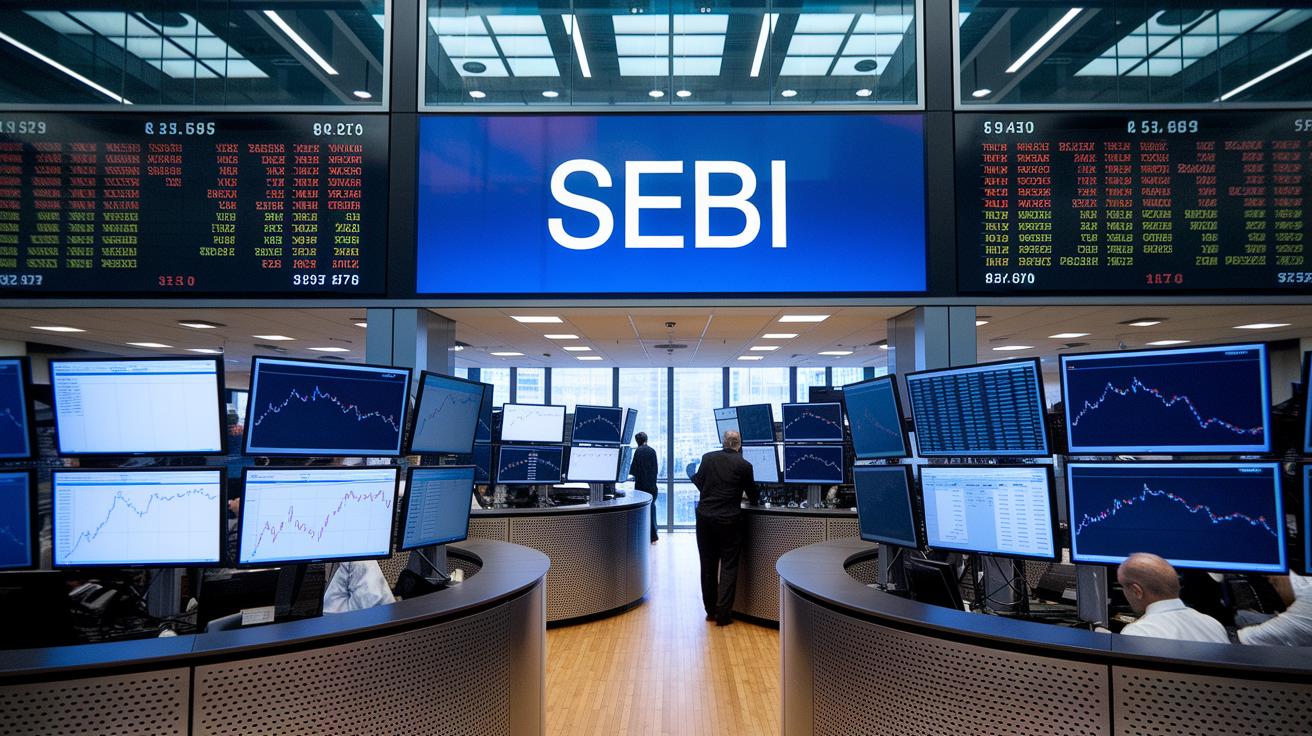
SEBI is the key player when it comes to keeping India’s equity market running smoothly. They set up simple, clear rules for things like listing, trading, and disclosure. Recently, changes to these rules have made companies run better and more transparent. For example, companies now need to have independent directors. This helps keep a close eye on company management and protects investors, which is a real win for fairness. Plus, with stricter guidelines on financial reporting, investors get a clearer picture of a company’s actual health.
The process for getting a company public, or going through an IPO, is now quicker and less mired in red tape. This means companies can reach the capital markets with less hassle, making it easier for everyone involved. These improvements not only ease uncertainty but also boost confidence among investors. On top of that, tougher rules against insider trading ensure that no one gets an unfair edge, keeping the market competitive and just.
It’s not just about setting rules, either. New measures also include faster ways to resolve any issues if something goes wrong. This helps maintain trust and keeps the market reliable. With all these changes, investing in India feels safer and much clearer. SEBI continues to update its practices to match global standards, showing its strong commitment to keeping companies in check and ensuring accountability. This solid framework not only pulls in local investors but also makes India more attractive to international ones. All in all, having clear and supportive rules makes it easier for investment to flourish in India.
Investment Strategies and Sector Opportunities in Equity Markets India
Investors should look for companies with lasting strengths instead of just targeting every large firm out there. Companies in tech and consumer sectors are riding high on more digital use. Picture a top tech company like a smart gadget that keeps improving with every update. At the same time, businesses in manufacturing exports and green energy are meeting global demand and delivering steady results.
There are many ways to jump into this market. You might choose direct stock picking or use systematic investment plans (SIPs) to buy shares bit by bit over time. Mutual funds also offer a handy option, giving you access to expert fund managers who spread investments across different industries. This mix of hands-on choices and managed strategies lets you tailor your investments to suit your style.
Mid-cap stocks often bring the chance for higher growth. They sit in the middle, more solid than smaller companies but more dynamic than the largest firms. Meanwhile, small-cap stocks can add extra variety to your portfolio. Imagine a garden where mid-cap stocks are like sturdy, growing trees and small-caps are the varied flowers that help the whole garden thrive, even if one part faces sudden changes.
Opportunities in different sectors are abundant. With India embracing a digital economy, tech and consumer industries are buzzing with fresh ideas that make everyday life easier. Changes in energy and manufacturing exports offer entry points into growth sectors outside the usual blue-chip names. By focusing on these areas, you can build a balanced portfolio and tweak your investments as market trends change.
- Prioritize quality blue-chip companies with steady cash flows
- Include mid-cap stocks for extra growth potential
- Use SIPs to ease your way into the market
- Spread your investments across tech, consumer, and energy sectors
- Rebalance your portfolio periodically based on market value trends
Trading Infrastructure in Equity Markets India

Modern digital platforms form the backbone of India's stock exchanges and offer quick, efficient ways to trade shares, ETFs, IPOs, and F&O. Orders are processed in less than a second so investors can easily keep up with fast-changing market signals.
These platforms come with real-time charts that let you see price movements instantly. Imagine keeping track of your stock like watching the pulse of a busy market. They also include built-in tools like the RSI, which helps check momentum, and PE screeners that guide you through key market indicators. Plus, a handy watchlist keeps all your critical stocks in one view and API access lets advanced users plug in their own analysis.
Investors manage their Demat accounts online too, which makes it simple to monitor volume and liquidity trends. Calculators for SIP, margin, and brokerage are available right at hand, acting like a digital toolbox to support every trade decision. These features ensure fast trades and offer a clearer picture of market trends and overall depth.
| Feature | Description |
|---|---|
| Real-time Charts | Quickly visualize market movements |
| RSI/PE Screeners | Assess key market indicators efficiently |
Global Drivers and Sentiment in Equity Markets India
India is set to boost global growth by about 20% this decade. Investors from around the world are expected to pour money into its markets, which sparks more activity. This constant stream of funds, along with a growing number of consumers and rising factory exports, really lifts investor spirits. Plus, India’s push to improve infrastructure gives both local and international players confidence when investing in its stock market.
Every day, big economic trends and shifting behaviors shape market values. When global relationships change, traders often adjust their strategies, leading to short-term ups and downs. For example, if you notice a change in how foreign money flows, investors might quickly switch their focus to the sectors that seem to benefit the most, kind of like watching how a change in the weather signals an approaching rain. Traders keep a close eye on market confidence, which helps them decide when to tweak their portfolios as conditions evolve.
Final Words
In the action, this article broke down India's stock exchanges and trading methods, showing how primary and secondary markets connect companies with investors. It highlighted key indices like Nifty 50 and Sensex, explained SEBI’s role in safeguarding market order, and outlined practical investment strategies across sectors. The writing aimed to simplify the complex workings of modern trading infrastructures while reflecting global influences. With these insights, you can confidently engage with equity markets india, setting the stage for smarter, more informed decisions ahead.
FAQ
What is the equity market in India?
The Indian equity market consists of trading stocks primarily through the NSE and BSE, where companies raise funds through IPOs and investors buy and sell shares in a dynamic environment.
Why is the Indian stock market falling today?
The falling market today indicates investor uncertainty and short-term shifts influenced by changing economic data and global events that affect overall market sentiment.
What is the 7% rule in stock trading?
The 7% rule means many traders target a 7% gain or set a similar threshold for losses. This guideline helps in managing the balance between risk and reward during trading.
What are the top 7 stock exchanges in India?
The top seven stock exchanges include NSE, BSE, Calcutta Stock Exchange, Metropolitan Stock Exchange, India INX, NSE IFSC, and over-the-counter platforms that support regional or specialized trading.
How do I invest in the share market?
To invest, open a Demat and trading account, research quality stocks, consider systematic investment plans, and build a diversified portfolio while monitoring performance regularly.
What is NSE India?
NSE India refers to the National Stock Exchange, a key platform known for its modern technology, real-time data, and efficient trading processes that attract a broad base of investors.
What does “live” mean in Indian equity markets and share market charts today?
“Live” means real-time data is being displayed, so market prices and trading volumes update instantly, allowing investors to make timely decisions based on current market conditions.
What does “Share Market Today Open” indicate in Indian markets?
“Share Market Today Open” reflects the opening prices and initial trading volumes, setting the tone for the day and offering insight into investors’ early market sentiment.
What is a live Nifty option chain?
A live Nifty option chain provides up-to-date data on option contracts for the Nifty index, showing strike prices, trading volumes, and price movements to help traders assess risk and reward.
