
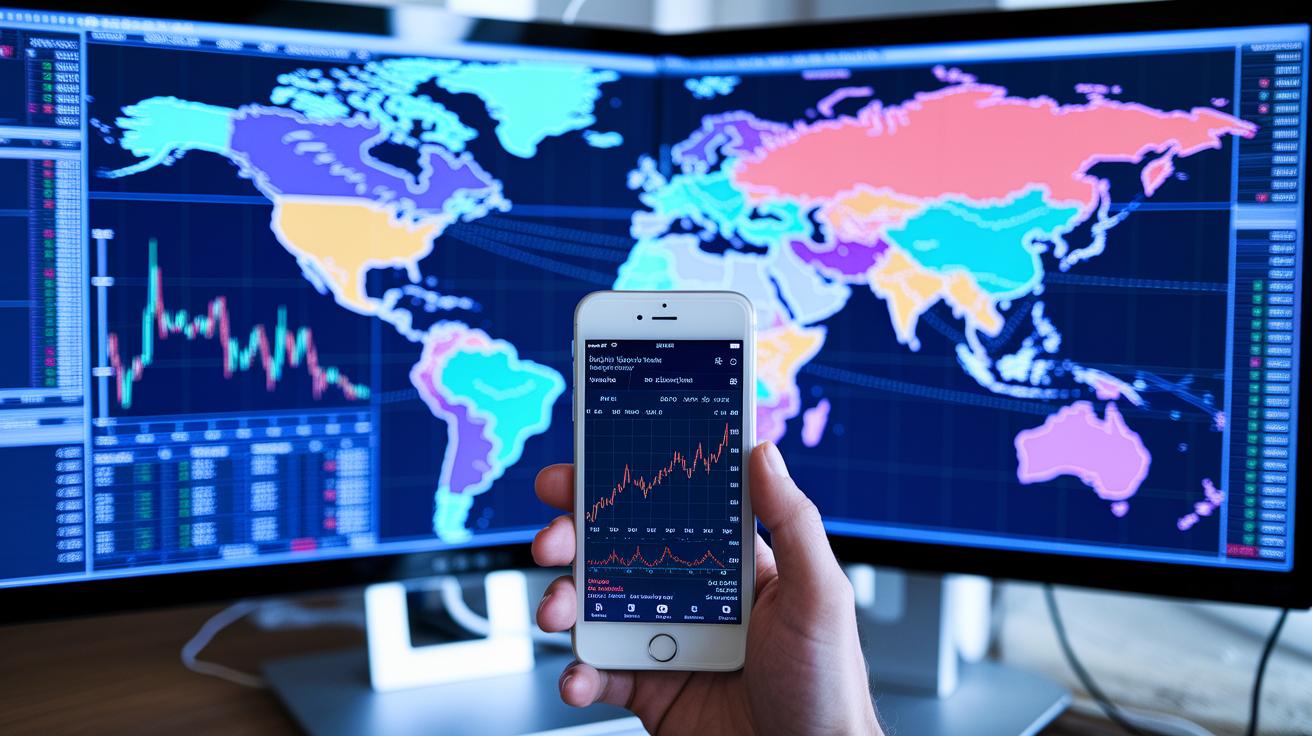
Have you ever wondered how trading moved from simple exchanges to quick digital orders? It’s not just a change in technology, it’s a shift in how markets work. Back in the day, people traded items face-to-face, but today we use online systems that work fast and free up new chances.
In this article, we’ll explore those changes and see how new technology has turned trading into something much more dynamic. You might even notice how these shifts open up opportunities while also bringing new challenges.
Global Trading Platforms Evolution: A Definitive Overview
Trading has come a long way from simply swapping goods to using smart systems online. Long ago, people exchanged items directly. Then, coins and paper money changed the game by making it easier to measure value and trade efficiently.
- In the earliest days, people traded goods directly.
- By the 7th century, beads, metals, shells, coins, and paper money set a standard for value.
- In the 17th and 18th centuries, stock exchanges and middlemen helped structure markets.
- From 1900 to 1980, telephone trading let brokers and traders chat in real time.
- Between 1980 and 2000, electronic exchanges and online brokers shifted trading from physical floors.
- From 2000 to 2006, systems fully moved online to automate order processing.
- Around 2007, algorithmic strategies and high-frequency trading made trades happen even faster.
- On May 6, 2010, the “Flash Crash” highlighted some risks with automated trading.
- Between 2012 and 2014, electronic trading platforms spread around the world.
- In 2015 and 2016, algorithm trading grew to dominate trade volumes.
- From 2017 to 2019, algorithms even ventured into cryptocurrency markets.
- In 2020, during COVID-19, automated systems helped manage market ups and downs.
- In 2021, increased market liquidity boosted AI-powered trading tools.
- By 2023, many traders use ChatGPT-style AI systems to execute trades.
This journey shows how new technology continues to change global trading platforms, making them faster and more accessible for everyone.
Technological Breakthroughs: From Telephone Trading to Electronic Platforms
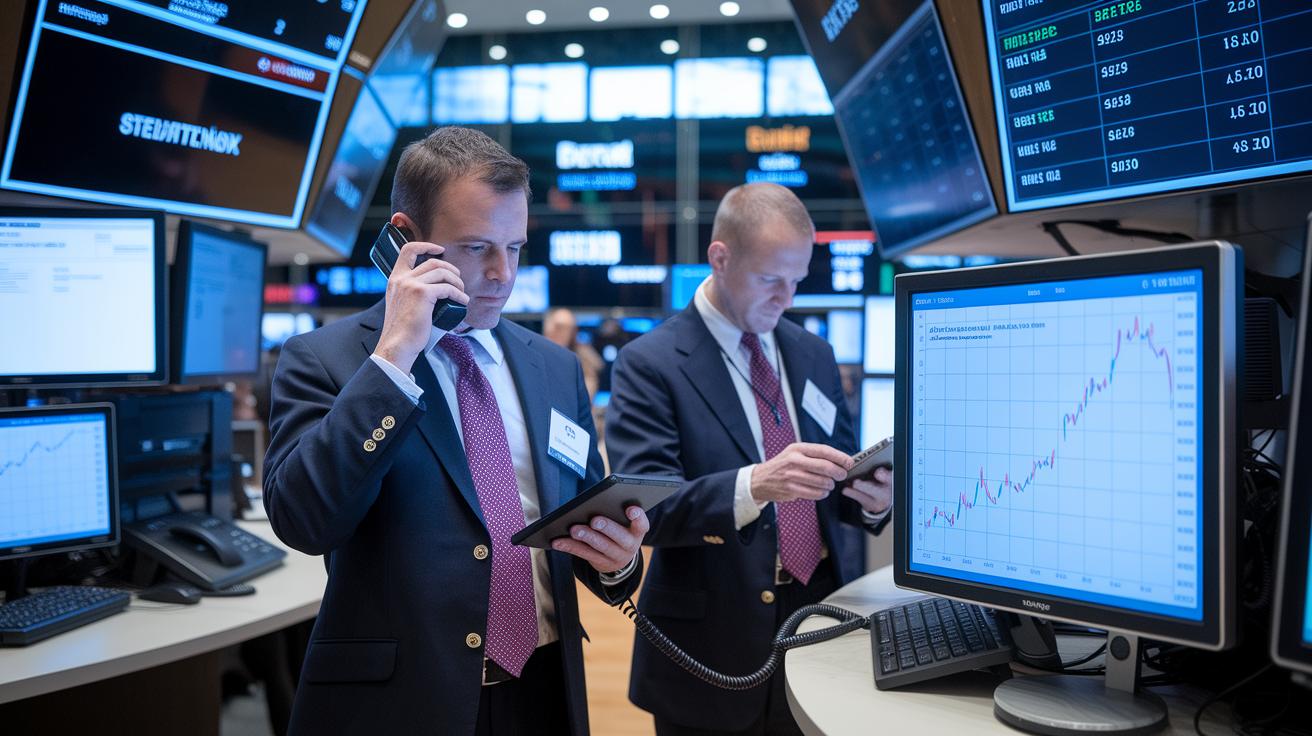
Between 1900 and 1980, trading was done over the telephone. Brokers and traders spoke on the phone much like they would chat with a friend. They kept things simple and clear when making trades. This period made it obvious that faster and safer methods were needed and set the stage for future changes.
From 1980 to 2000, electronic exchanges started to take over from traditional phone calls. Systems like Globex, which launched in 1992, and the growing NASDAQ switched trading to digital platforms. By the mid-1990s, web-based retail trading cut down on delays and helped reduce mistakes. It was like moving from a long, drawn-out conversation to a quick, clear text message that kept everything on track.
Between 2000 and 2006, fully electronic order matching and execution became the standard. These new systems could confirm trades in less than a second, boosting liquidity (how easily an asset can be bought or sold), adding more clarity, and keeping global transactions safe and traceable. Imagine getting a text message to confirm your trade–fast, clear, and efficient.
Algorithmic and High-Frequency Trading’s Role in Platform Evolution
After 2006, the trading world changed fast. Trading platforms shifted to using computer algorithms that work with real-time numbers and statistical models. Imagine switching from writing orders by hand to sending a quick text that makes trades almost instantly.
High-frequency trading, or HFT, soon became a big deal. By 2007, traders had computers placing thousands of orders every second. On May 6, 2010, a big event called the Flash Crash caused markets to plunge 1,000 points in minutes before bouncing back. This moment showed how rapidly these automated systems can act and why we need strong safeguards.
Since those early days, trading systems have gotten even smarter. Modern platforms use real-time checks and emergency stop features that can cut trading in just milliseconds if unexpected changes happen. These tools help manage risk during wild market swings and keep things steady for traders worldwide.
Decentralized Finance and Blockchain Impact on Global Trading Platforms
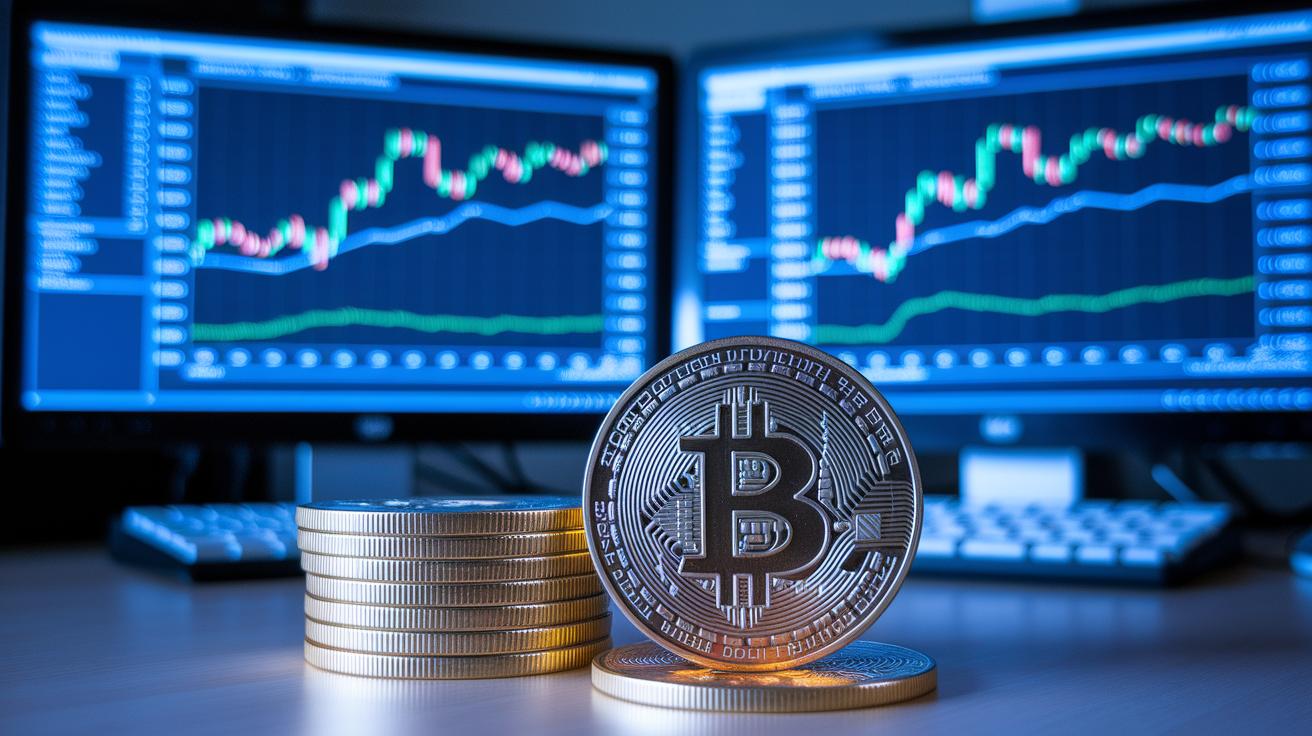
Trading platforms have begun to offer digital currencies thanks to new innovations. Between 2017 and 2019, computer programs, what we call algorithmic trading, moved into crypto markets. This change allowed many sites to let you trade both digital coins and traditional money on one platform. It’s like having two worlds coming together, making it easier and more modern to access different markets.
Blockchain also brings a fresh way to think about asset ownership through tokenization. Imagine buying just a slice of a big asset; this method lets you own a small part of something valuable. Smart contracts, which are simple computer programs that kick in when agreed conditions are met, cut out the need for manual steps and middlemen. This streamlines the process, reduces errors, and makes managing each share straightforward. No wonder so many different investors are taking notice.
Then there’s distributed ledger technology, a secure record-keeping system where every trade is logged in a way that can’t be altered. This means confirmations happen quickly and extra fees drop significantly. In truth, faster settlements, lower costs, and clear records build trust. These improvements help smooth out global trading, making the process safer and more efficient for everyone involved.
Regulatory and Risk-Management Evolution Across Trading Platforms
Before electronic trading took off, rules were straightforward and mainly applied to physical trading floors. There wasn’t much oversight, and most safety measures focused on in-person trading rather than technology. People kept records the old-fashioned way and supervisors watched over trades, leaving gaps that later digital systems were built to fill.
After the 2008 crisis, everything changed. Laws like Dodd-Frank and MiFID II set clear guidelines for computer-driven trading. These new rules aimed to reduce risks and boost transparency in automated trades, pushing platforms to adopt stronger control measures. It was a big shift that helped keep up with the fast pace of modern trading.
Then came the Flash Crash of 2010, which prompted quick safety fixes. The industry introduced circuit breakers and kill-switch rules to pause trading during sudden market swings. These tools can stop automated orders almost instantly to prevent a cascade of errors, adding a critical layer of security during wild market conditions.
Today, compliance relies on cutting-edge cybersecurity methods. With real-time risk checks and cloud-based tools, trades are monitored around the clock to protect data and quickly address any unusual activity. It’s like having a dedicated security team ensuring that every trade is safe and sound.
Evolution of Trader Interfaces: Web-Based and Mobile Trading Platforms
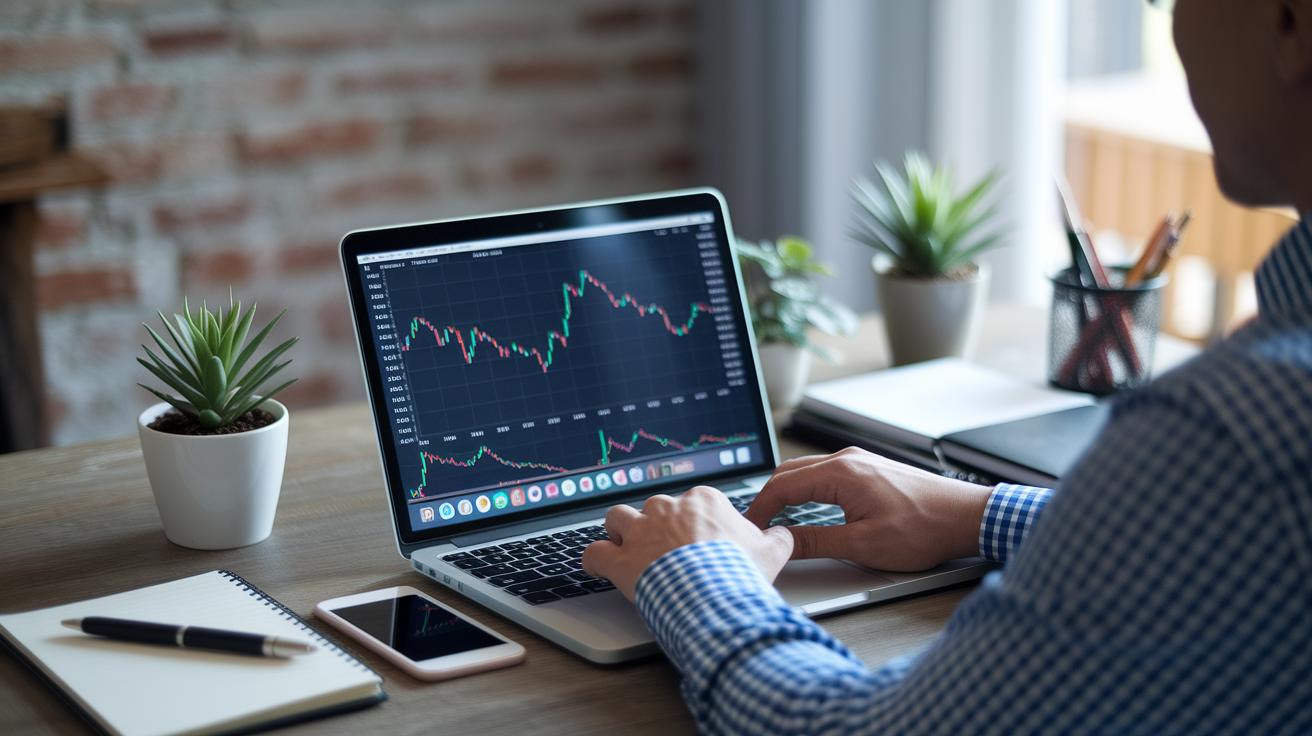
Back in the 1990s, trading began shifting from bulky desktop terminals to online browser portals. This change meant that traders no longer needed a dedicated office setup; they could now look at market data and place orders using a simple web browser. It opened the doors for many people to join online trading, setting off a wave of digital change that reshaped the market.
By 2006, mobile trading apps emerged and took over the scene. With smartphones in hand, traders could now make trades and check market prices wherever they were. These apps are designed with clear visuals and fast responses so that traders can focus on making smart decisions without getting lost in complicated software. It’s a bit like having a financial tool in your pocket at all times.
- Real-time quotes for instant updates
- Push alerts that point out important market events
- One-tap execution for quick trades
- In-app analytics for easy-to-read insights
- Social-copy trading feeds that let you share strategies with others
Key Innovations Driving Next-Gen Global Trading Platforms
Emerging technologies are speeding up changes in global trading platforms. When COVID-19 hit in 2020, cloud systems helped control wild market swings. Since then, AI-powered methods have become a key part of making trades between 2021 and 2023, sparking innovations like automatic portfolio rebalancing and cloud-based management. Today, big-data tools provide real-time market feelings and forecasted trends, while upcoming API-first designs, quantum-safe security, and decentralized networks point to a quicker, more flexible future.
AI & Machine Learning Strategies
AI and machine learning are now the go-to tools for picking the best trades. Predictive analytics, a method to foresee future trends, and neural-network forecasting let systems adjust their tactics as markets change fast. Adaptive algorithms sift through live data so that decisions come in the blink of an eye. It’s a bit like watching a skilled trader fine-tune their strategies every time the market moves, blending quick action with careful attention to risks.
Cloud & Big-Data Architectures
Cloud and big-data systems give us up-to-the-minute insights by automatically scaling and offering non-stop market feeds. They handle huge volumes of data fast, paving the way for smoother analytics and quicker trade confirmations. Cloud-hosted portfolio tools adjust investments on the fly, cutting down on manual work. Plus, emerging decentralized networks boost data trustworthiness and reduce delays. These modern setups are building a more connected, efficient market, one where future upgrades promise even snappier, real-time decision-making.
Final Words
In the action, our discussion traveled from ancient barter systems to modern AI-powered trade execution. We saw how telephone trading set the stage for electronic breakthroughs, algorithmic strategies reshaped markets, and blockchain simplified transactions. Each phase has added layers to the evolution of global trading platforms while spreading new tools and ideas across finance. This journey reminds us that financial technology adapts continuously, offering clear steps toward improved market insights and secure trade execution. The future shines bright for those ready to embrace these ever-improving strategies.
FAQ
What does the evolution of global trading platforms on Wikipedia cover?
The evolution of global trading platforms outlines how trading moved from simple barter systems to modern, digital, and AI-assisted exchanges by marking key historical milestones.
What was the first online trading platform?
The first online trading platform marked the shift to digital trade execution by allowing individual investors to submit orders electronically, paving the way for modern brokerage services.
What are some electronic trading platform examples?
Electronic trading platform examples include Interactive Brokers, E*Trade, Trade Republic, TD Ameritrade, eToro, and Webull, each offering quick execution and real-time market data for traders.
What does the term “electronic trading platform” mean?
An electronic trading platform is a digital system that automates buy and sell orders, making trade execution more efficient and providing broad market access.
What were the beginnings of global trading networks?
Global trading networks began with simple barter systems and early currency exchanges, later evolving into organized stock exchanges and, eventually, technology-driven digital marketplaces.
How has international trade evolved over time?
International trade evolved from local, physical exchanges and manual trading to streamlined electronic systems that offer automated order execution and real-time global market connectivity.
What are some top trading platforms available today?
Top trading platforms today include Interactive Brokers, E*Trade, Trade Republic, TD Ameritrade, eToro, and Webull, known for their reliability, efficiency, and user-friendly features.
What are electronic trading companies?
Electronic trading companies build and manage digital infrastructures that support fast and secure trade execution, helping markets run efficiently on a global scale.
