
Ever notice how some traders seem to glide through forex markets with ease? Forex trading is a bit like swapping apples for oranges; once you get the simple rhythm, your confidence can really take off. Every day, around $7.5 trillion is traded (a trillion is one thousand billion), so every decision counts in the bustling market. Here, we'll cut through the clutter and break down the basics of forex trading in plain, simple language. You'll discover how even tiny price changes can guide your decisions, making your every move more informed and empowering.
Essentials of Forex Trading
Forex trading means buying one currency while selling another, aiming to benefit from changes in exchange rates. It’s like swapping apples for oranges when you think one will become more valuable than the other.
This market is the busiest in the world, with over $7.5 trillion traded every day. Imagine it as a never-ending stream that flows 24 hours a day, five days a week, stretching from London to New York, Tokyo, and Sydney.
Most traders focus on major currency pairs like EUR/USD and USD/JPY because they usually have small price differences and lots of trading activity. For instance, a trader might bet that the euro will get stronger or that the dollar will lose ground, much like predicting which team will win a closely matched game.
By keeping an eye on constant market activity and factors like economic news, traders can build strategies that feel a bit like learning the rhythm of a steady heartbeat. This strong foundation helps boost confidence and makes it easier to try out more advanced techniques as you get comfortable with the daily ups and downs of the forex market.
Core Forex Market Components
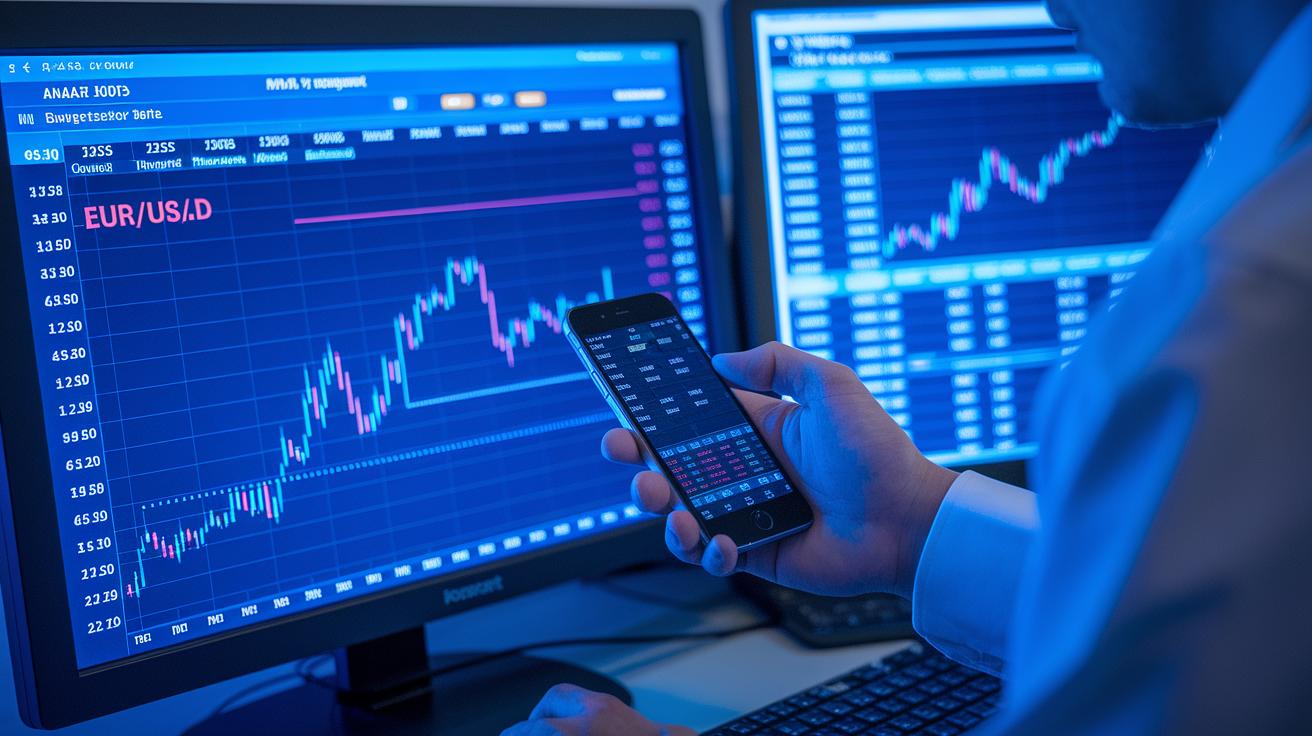
Currency pairs form the foundation of forex trading. They come in two parts: a base currency and a quote currency. For example, in the EUR/USD pair, the euro is the base and the U.S. dollar is the quote. This setup helps traders figure out how much of one currency you need to buy one unit of another.
Think of a pip as a tiny step in price. It normally marks a one-digit move in the fourth decimal place, though for pairs with the Japanese yen, it appears in the second decimal. Sometimes, you'll see a pipette, which adds extra precision by tracking a move in the fifth decimal. It might be hard to believe, but a tiny change in a pip can be the difference between profit and loss, much like a slight turn of a steering wheel changes the direction of a car.
Trade sizes in forex are measured in lots. A standard lot equals 100,000 units of the base currency, while mini and micro lots let you trade in smaller amounts. This variety helps you manage risk more effectively.
The bid and ask prices work together to set your trading cost. They create a spread, which is the gap between what buyers pay and what sellers receive. Big economic news, like inflation numbers or job reports, can cause these spreads and prices to move, which in turn influences when you might want to make a trade.
How Forex Trading Works
Traders essentially make bets on whether a currency will get stronger or weaker – sort of like trying to guess which way a seesaw might tip. For example, if you decide to go long on the EUR/USD pair, you’re betting that the euro will gain value against the dollar. On the flip side, if you go short, you think the euro might lose value. This straightforward method gives traders the chance to earn money whether prices are up or down.
Many factors impact which way currencies go. Economic reports, like GDP numbers or inflation data, can quickly change prices. You might also hear about interest rates or political events that cause quick shifts. Think of it like mixing a cake: you combine ingredients such as data, news, and technical hints, and the end result depends on how they all mix together. For instance, stronger-than-expected inflation numbers might push a currency’s value up.
Risk management is key in forex trading. Traders often use hedging strategies, which means taking opposite positions on pairs that move in relation to each other. Imagine holding a long position in EUR/USD while also shorting GBP/USD if you suspect the British pound will drop compared to the euro. This can help protect against sudden market swings. And because the forex market is open 24 hours, traders can adjust their positions around the clock, always staying alert to global changes.
Technical Analysis Tools for Forex Trading

Technical analysis tools let you see price patterns and forecast shifts in currency trends. They work like handy visual maps that turn tricky market moves into clear signals. For instance, moving averages smooth out price data so you can spot the trend and find areas where prices might bounce back or dip. Think of a moving average as a steadily flowing river that gently shows when the current is about to change.
Then there's the RSI, short for relative strength index. It checks market momentum on a scale from 0 to 100 and helps you spot when prices might be too high or too low. The MACD, which stands for moving-average convergence/divergence, quietly hints when a trend might be turning. Imagine it as a subtle guide that tells you when familiar patterns could shift direction.
Bollinger Bands offer a look at market volatility by wrapping a moving average with extra lines, so you can easily see if prices are spread out or squeezed together. Fibonacci retracement levels work like a roadmap, marking key spots where prices might pull back after a strong move. Picture these levels as clear signposts that show where a currency might pause before taking another big step.
Using all these tools together gives you a clearer pulse of the market, much like feeling the steady beat of a skilled athlete. Experimenting with these indicators on live chart tools can boost your confidence. In time, reading candlestick patterns and using desktop chart software will help you feel both informed and in control of your trading decisions.
| Indicator | Purpose | Typical Setting |
|---|---|---|
| Moving Average | Trend direction | 50, 200 periods |
| RSI | Checks momentum and indicates overbought/oversold conditions | 14-period |
| MACD | Signals potential trend reversals | 12, 26, 9 |
| Bollinger Bands | Highlights market volatility | 20, 2σ |
| Fibonacci Retracement | Marks key pullback levels | 23.6%, 38.2%, 61.8% |
Fundamental Analysis in Forex Markets
Macroeconomic data are a big deal in forex trading. Important numbers like GDP growth, unemployment, and inflation, along with trade balances, give traders clues about a country’s financial well-being. For example, if GDP grows faster than expected, it usually means the economy is strong, which can boost the currency. On the other hand, high unemployment might signal economic troubles that could weaken the currency.
Central bank policies are also a hot topic. When institutions like the Fed, ECB, or BoJ change interest rates, they send clear signals about their monetary plans. A rate hike might attract investors looking for better returns, increasing demand for that currency. Think about it like tweaking the cooking temperature, it changes the entire outcome of your meal.
Economic calendars are essential tools that help traders stay ahead. By keeping track of when key reports (like inflation or GDP data) are released, traders can prepare for potential price movements and adjust their strategies. For instance, if an important report is due soon, you might choose to be more cautious in your trading.
Political events and fiscal announcements play their part too. A new government policy or a major change in spending can quickly cause currency values to jump or drop. It’s like an unexpected plot twist that turns everything on its head, showing why it’s so important to stay well-informed.
Popular Forex Trading Strategies

Trend trading is about riding the wave of a currency's steady move. Traders use simple tools like moving-average crossovers, basically a way to see when a trend is starting or slowing down. Think of it like watching a train steadily roll along its track; you stay aboard until it signals that it's time to get off.
Scalping takes a different approach. It’s all about snatching up small, quick gains by taking advantage of tiny price shifts. Imagine a buzzer-beater in a basketball game, where every fraction of a second counts. Scalpers typically trade during the busiest hours, making the most of tight spreads and quick price movements.
Swing trading focuses on medium-term price changes. Here, traders hold on to their positions for several days, watching key areas where prices tend to bounce up or down repeatedly. You can think of it like a lifeguard spotting the rhythm of waves on the shore. If you’d like to explore more, check out this guide on Forex Swing Trading Strategies.
Breakout strategies come into play when prices push past important levels with strong volume. It’s similar to a dam breaking, where suddenly the water, and the price, flows freely. Traders look for that burst of movement and try to ride it until there’s a slowdown.
Algorithmic trading uses pre-set rules to send orders in seconds. It works automatically, much like a coffee machine that turns on at the same time every morning without needing someone to press the button. This kind of system helps traders manage risk and get their orders done faster.
Each strategy offers its own way to handle market ups and downs. Experimenting with these methods can help you grow both your confidence and your understanding of the ever-changing market.
Risk Management Essentials in Forex Trading
In forex trading, managing risk means working to keep your money safe even when the market shifts quickly. Leverage, which lets you trade with borrowed money, can help boost your gains or increase your losses. Studies show that nearly 82% of retail accounts lose money, so it’s smart to use margin with care.
Stop-loss and take-profit orders are like trusted guides in the trading world. They set clear exit points to lock in gains or stop losses from growing bigger. Think of a stop-loss order as a safety net that keeps a small loss from spiraling out of control, giving you more peace of mind.
Position sizing is another key element. This means adjusting the size of your trades based on how much money you have. Many traders risk only 1 to 2% of their account on each trade, so a few bad trades won’t wipe out everything. It’s like betting just a small part of your savings when the outcome is uncertain.
Using demo accounts is a smart way to practice trading without real money. They let you experiment with leverage, use stop-loss orders, and figure out the right trade size without the risk. This hands-on practice builds a solid foundation, so you feel confident when you finally trade for real.
Selecting a Forex Broker and Trading Platform

When choosing your broker, start by checking that they follow proper regulation and keep your funds secure. Think of it like having your money stored in a bank vault where everything stays separated and safe. Before you commit, make sure they clearly state that your funds are held in separate accounts, much like a safe deposit box protects your most important documents.
Next, look into how brokers charge fees. Compare their spreads (the small difference between the buy and sell prices) and commission setups. Lower spreads mean you spend less on each trade, leaving more room for profit, just like finding a great sale at your local market. Ask yourself, "Is their fee structure simple and clear?" This step is key to making sure you're not overpaying for your trades.
Then, consider the performance of the trading platform. Test both the broker’s own interface and popular options like MetaTrader 4 or MetaTrader 5. Here are a few features to keep an eye on:
| Feature | Benefit |
|---|---|
| Mobile Trading | Trade on the go |
| Desktop Charting | Detailed views of market trends |
| Real-Time Data | Fast order execution |
| Demo Accounts | Practice your strategy without risk |
For example, using a demo account can be as reassuring as taking a car for a test drive before you buy it.
Finally, choose a platform that provides clear, real-time market data and offers a broad selection of instruments, sometimes over 500 options in CFDs and forex. This variety gives you the flexibility to match your personal trading style with the right tools.
By evaluating these factors, you can select a broker that meets your trading needs and makes you feel secure. This careful approach builds the confidence you need to trade wisely and safely.
Final Words
In the action, we broke down the essentials of currency trading. We reviewed how buying one currency while selling another can lead to profit and explained key analysis tools, both technical and fundamental. We also explored techniques for managing risk and highlighted tips for choosing the right broker and platform. This recap offers a strong base for smart decisions and easy discussions about market trends. By keeping things clear and actionable, you’re set up to have a more rewarding experience in forex trading.
FAQ
What makes a good forex trading company or broker?
A good forex trading company features regulated operations, secure client funds in segregated accounts, transparent fee structures, and reliable customer support that builds trust and ensures smooth trading experiences.
What is a forex trading app and how do I download a free one?
A forex trading app is a mobile platform offering real-time price updates, chart tools, and order execution. You can often download free versions from trusted app stores to practice trading.
Who is forex trading for beginners?
Forex trading for beginners provides an accessible entry into currency markets with educational resources, demo accounts, and simple interfaces to build skills while managing initial risks.
What does a forex trading live chart show?
A forex trading live chart displays real-time price movements, trends, and key market data, helping traders monitor market activity and make quick decisions during trading sessions.
What role does Reddit play in forex trading?
Forex trading Reddit hosts communities where traders share insights, discuss strategies, and post market analysis, serving as an informal knowledge base for both novices and experienced traders.
What key features define a good forex trading platform, such as MT5?
A solid forex trading platform like MT5 offers fast order execution, real-time data feeds, intuitive technical analysis tools, and demo accounts, making it easier for traders to test strategies and manage trades.
How does trading gold fit into forex trading?
Forex trading gold involves speculating on gold’s price movements against currencies. It works like currency pairs, often seen as a safe asset during economic volatility for hedging purposes.
Is starting with $100 enough, and how can I grow it in forex trading?
Beginning with $100 in forex trading is possible, but growing it requires careful risk management, realistic expectations, and the proper use of leverage. Small accounts need extra caution due to market volatility.
Is forex trading a good idea?
Forex trading can be a viable idea if you are patient, learn proper risk management, and practice with demo accounts. It can offer profit opportunities, though it comes with significant risks.
Do forex traders make good money?
Forex traders’ earnings vary widely, as success depends on experience, strategy, and market conditions. Consistent profits come from disciplined risk management and continuous skill improvement.
What does live forex trading involve?
Live forex trading involves monitoring real-time market data, executing trades instantly, and adjusting positions as markets move. It requires quick decision-making using streaming charts and news updates.
How can I find forex trading options near me?
Finding forex trading near you means looking for local regulated brokers or financial institutions that offer personal consultations, educational seminars, or in-office trading support to complement online trading platforms.
