
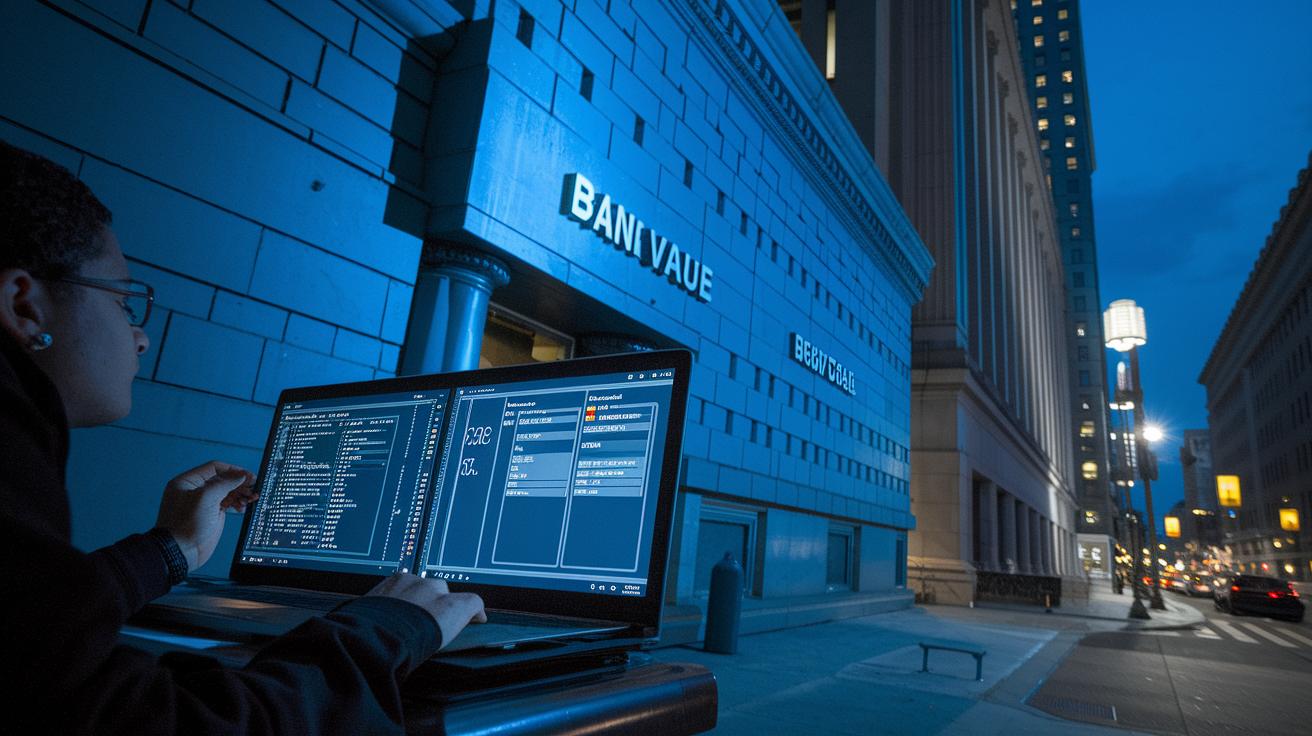
Ever wondered if a computer could beat a scammer at their own game? Today, clever computer programs look through tons of bank data as it happens, catching weird patterns that older methods might miss. This process, called machine learning (where computers learn from data), quickly spots odd behavior and stops bad transactions in their tracks. As fraud continues to rise, these smart tools offer a much-needed boost in keeping our money safe. In this blog, we take a closer look at how advanced technology is changing the way banks battle financial scams.
Understanding Machine Learning in Banking Fraud Detection

Machine learning in fraud detection uses smart algorithms to scan massive amounts of transaction information instantly. Did you know that in 2024, U.S. bank customers lost $12.5 billion to fraud, a 25% jump from the previous year? This hard fact shows just how much more we need advanced tools to keep our money safe.
These systems get to know what normal behavior looks like by studying data from mobile apps, ATMs, and websites. They keep updating their idea of what is usual. When something feels off, the system quickly flags it for a closer look. This is a big change from old rule-based methods that often miss new kinds of fraud.
At the heart of this technology are techniques like spotting odd activities, assigning risk scores to transactions, and digging into connections between accounts. They also look at text details in transaction notes and check identities. Each method works together to give banks a clear, all-around view of any threats.
By watching transactions as they happen, banks move from simply reacting after a fraud occurs to stopping it in its tracks. This flexible, forward-thinking approach adapts as fraudsters change their tactics. In the end, it helps cut losses and builds trust in our banking services.
Core Machine Learning Algorithms for Banking Fraud Detection

These unsupervised models watch over transaction streams, looking for any behavior that stands out from the norm. For example, if there's a sudden rise in transactions on a typical weekday, the system may mark it as unusual. This smart approach adjusts over time, making it much better than the old if-then rules.
Supervised learning models use past transaction data, where each entry is already marked as safe or fraudulent, to give every new transaction a risk score. Think of it as giving each transaction a score based on factors like how much money is moving or what type of store is involved. This scoring makes it simpler to spot the risky ones quickly.
Graph-based machine learning digs deep to find hidden connections between accounts. This can uncover groups of fraudsters who might fly under the radar when looking at transactions one by one. On the other hand, natural language processing examines text details like notes attached to transactions. Sometimes, a short note filled with suspicious words can be a big clue that fraud is underway.
These models also keep themselves smart by regularly updating with new data. That way, they stay in tune with clever new fraud tricks. On top of that, combining typical behavior checks with biometric data, like fingerprint or voice recognition, makes identity verification even more secure. Tools like generative AI can even create fake but useful data to help train these models better, although that also means there is a chance for new risks if the fake data ends up in the wrong hands.
| Technique | ML Category | Primary Use Case |
|---|---|---|
| Anomaly Detection | Unsupervised Models | Flag irregular transactions |
| Risk Scoring | Supervised Learning | Assign fraud risk scores |
| Network Analysis | Graph-based Learning | Reveal hidden account links |
| Text Analysis | Natural Language Processing | Inspect transaction memos |
| Adaptive Learning | Feedback-driven Models | Continuously update fraud indicators |
| Identity Verification | Hybrid Techniques | Reinforce security with biometric data |
Real-Time Transaction Monitoring with Machine Learning in Banking

Machine learning lets banks spot and stop unusual transactions right when they happen. The system watches real-time data from mobile apps, ATMs, websites, and chatbots to build a clear picture of everyday customer habits. For instance, if an ATM shows a sudden jump in withdrawal amounts late at night, the algorithm quickly bumps up its risk score to flag the issue. These smart scoring systems update instantly with new data, helping banks move from simply reacting to problems to actively stopping fraud in its tracks.
ML models use fast processing techniques to check every transaction as it comes in. They work closely with risk management tools to compare each action against preset safety rules. Even small changes in customer behavior can adjust the risk score, alerting analysts to look closer at potential fraud. This real-time monitoring helps banks catch shady activities early, protecting customer funds and boosting overall security, and it keeps improving how accurately they detect fraud.
Feature Engineering and Data Preparation for Banking Fraud Detection Models

Fraud detection kicks off by working with big, reliable data that gets refreshed through careful cleaning. Banks mine through heaps of transaction records, wiping out unwanted noise, odd values, and duplicates that might cause false alarms. This initial cleaning gives the data a solid base for more analysis.
Next, feature engineering takes over. We convert raw details like timestamps or merchant codes into meaningful signals, like how fast transactions move or how much a location varies over time. Think of it like turning a simple time stamp into a sign of how quickly purchases occur throughout the day. This smart twist helps the detection system tell normal habits apart from odd ones.
Then, pulling together info from different sources – mobile, online, ATM, and even chat – gives us a full view of customer behavior. When these data roads meet, the system can spot small shifts that might signal trouble. For example, a sudden surge in activity at an unusual spot can be a strong hint of a potential security risk.
Big data techniques play a big role here by continuously scanning these combined datasets. They ensure even tiny irregularities don’t slip by unnoticed. And since fraudsters are always switching up their plans, having a system that’s quick to catch changes is crucial. This ongoing cycle of cleaning, enhancing, and blending data makes fraud detection models robust and ready to face new threats.
Banking Fraud Prevention Case Studies with Machine Learning

Real-life cases show that machine learning is really helping banks cut down on fraud losses. According to the UK Fraud Index Q1 2022, fraud hit new highs across card transactions, asset finance, and loans – the worst in three years. This alarming number pushed banks to adopt advanced machine learning tools for stronger protection.
One great example is Feedzai’s AI-first platform. Using network analysis and adaptive learning, their system cuts down on false alarms while improving decision accuracy. One bank shared that the system can quickly check thousands of transactions and single out those with unusual behavior – kind of like finding a tiny detail in a large crowd.
Another bank saw a 30 percent drop in fraudulent mobile chargebacks after using machine learning to spot odd patterns. They explained, "After adding these machine learning tools, our mobile system caught suspicious transactions quicker, so we could protect our customers better." For more on innovative mobile banking security, check out this resource.
Banks are also merging data from various sources, like online and electronic payments, to build a more complete defense against fraud. They continuously refine their detection models with real-time feedback, which helps flag suspicious activities quickly and lowers overall risk.
All these cases prove that machine learning isn’t just a far-off idea. It’s actively changing how banks fight fraud and keeping customers safer every day.
Implementation Challenges and Best Practices for ML Fraud Detection in Banking

Banks often run into hurdles when trying to use machine learning to catch fraud. Sometimes, these systems flag normal activities as risky, which can annoy customers if not set up properly. Regulators also want banks to show clear reasons behind their risk scores, so banks must design systems that explain their decisions in simple terms. Plus, because past data can be biased, banks need to constantly check and adjust their algorithms. Keeping models accurate and thoroughly tested is more than just a tech requirement, it helps build trust with both customers and regulators.
- Adjust detection settings to reduce false alerts while keeping security solid.
- Regularly use cross-check methods to make sure models perform well.
- Monitor for bias and fix any issues as soon as they appear.
- Develop systems that clearly explain risk scores to meet regulatory standards.
- Schedule regular reviews to catch new fraud strategies early.
- Use strong security practices, like multi-factor authentication and even biometric checks for extra safety.
Future Trends in Banking Fraud Detection through Machine Learning

Fraud detection is taking a big step forward by embracing more advanced machine learning systems. These new tools mix the hottest trends in AI with smart learning methods that adapt every time new data comes in. For instance, deep neural network programs are getting better at digging into complex data and spotting sneaky patterns that older methods often missed. And even models that can create fake yet realistic data are being used to help train these systems, although they bring a risk of fueling clever deepfake scams.
More and more, banks and regulators are calling for AI tools that explain their decisions clearly. This means that every step the system takes needs to be understandable and open for review. By learning from every bit of data, these systems are constantly updating themselves to catch new fraud tricks as they appear. At the same time, technology in regulatory compliance is being built right into these fraud detection methods. This makes sure that everyday operations mix top-notch security with smooth, customer-friendly digital banking.
In the end, these changes aim to make fraud detection not only quicker and smarter but also more transparent. With these improvements, financial institutions can build even greater trust with their customers.
Final Words
In the action, this article shows how banks use machine learning for fraud detection in banking to spot unusual patterns fast. We covered anomaly detection, risk scoring, real-time monitoring, and case studies that underline effective strategies.
By explaining data preparation, adaptive learning, and compliant best practices, the post paints a clear picture of today’s fraud prevention techniques. Adopting these approaches boosts confidence in market insights and paves the way for a more informed investment experience.
FAQ
Q: What does a machine learning for fraud detection in banking PDF explain?
A: The PDF explains how algorithms learn normal transaction behavior and flag unusual patterns in real time, helping banks reduce losses from fraudulent activities.
Q: What is an example of machine learning used in banking fraud detection?
A: An example is using supervised risk scoring models that assign suspicion scores to transactions based on past data, enabling banks to quickly block potential fraud.
Q: How does fraud detection using AI work in banking?
A: Fraud detection using AI works by scanning transaction data continuously, applying methods like anomaly detection and network analysis to spot irregular behaviors that may indicate fraud.
Q: What tools and techniques aid in financial fraud detection using machine learning?
A: Tools include anomaly detection models, risk scoring systems, graph-based and text analysis methods, and adaptive learning frameworks that update with new transaction patterns.
Q: How does real-time fraud detection operate in the banking sector?
A: Real-time detection evaluates streaming data as transactions occur, dynamically updating risk scores to quickly identify and stop suspicious activities, which helps improve overall security.
Q: What insights does a fraud detection machine learning case study provide?
A: The case study shows how analyzing large transaction datasets and automating risk scoring reduced false positives and fraud incidents, leading to stronger security and improved customer confidence.
