

Have you ever wondered if you could try new trading ideas without risking real money? Paper trading lets you do just that. It’s a way to practice buying and selling using virtual money, much like rehearsing before a big game.
This practice mode helps you build your skills step by step. You can learn how to read charts in real time and figure out your trading moves without worrying about losses. Over time, it boosts your confidence and readies you for the ups and downs of the live market.
Paper Trading Essentials for Beginners
Paper trading lets you try out buying and selling stocks, bonds, or even cryptocurrencies without any real money. Instead, you use a demo account with real-time charts, which works just like the real market. Imagine setting up a practice account to test a new idea while watching your pretend portfolio handle a bumpy market session. It’s a great way to see how profits and losses would stack up in real life, without any risk to your wallet.
In these practice accounts, you enter orders and manage your investments using virtual funds that mimic real trading platforms. It feels like a dress rehearsal: you learn how to read charts, track price moves, and adjust your trades in a safe space. Think of it as a training ground where you can experiment with different ideas until you feel ready for the real game.
The best part about paper trading is that it helps you get comfortable with setting the right position sizes, exiting trades on time, and testing out various strategies. By using fake money, you can learn from your mistakes without feeling the sting of a loss. This practice builds your confidence and fine-tunes your trading skills. Eventually, when you move on to real trading, you'll have a solid plan and a better understanding of market timing and order management.
Starting Your First Paper Trading Account: Step-by-Step Guide
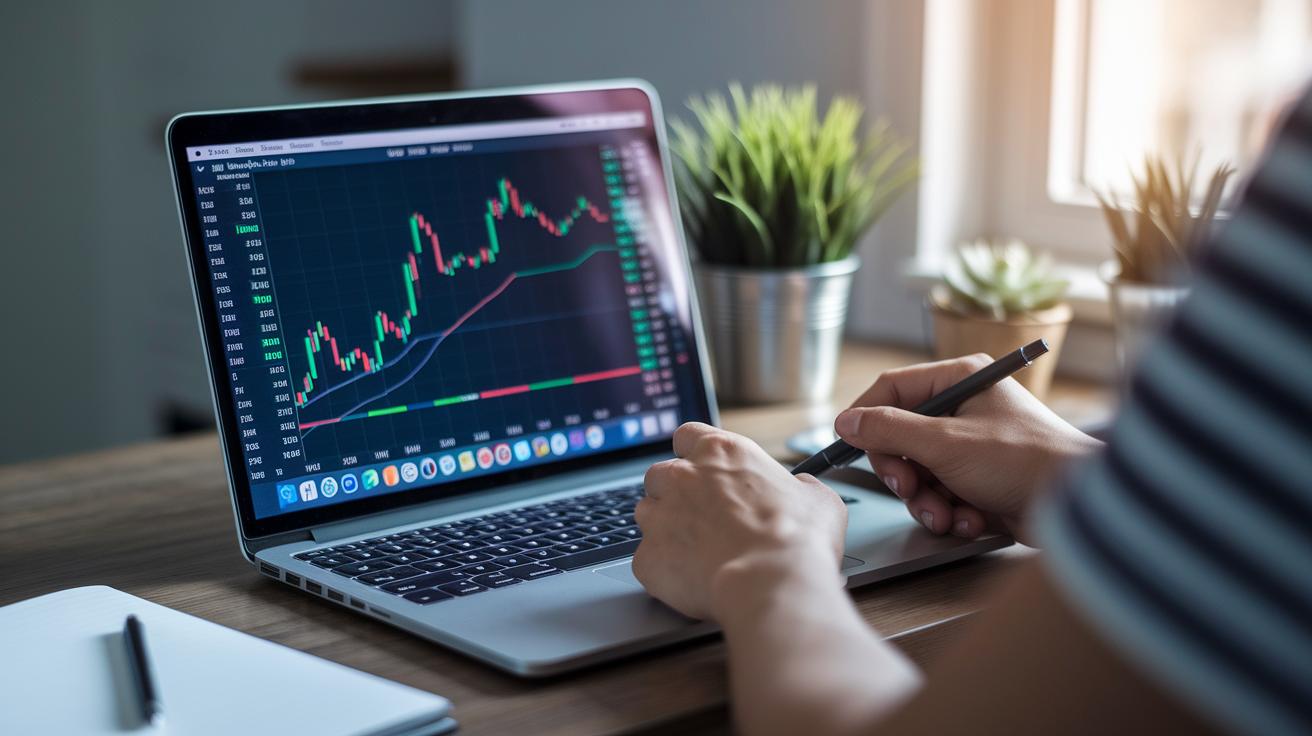
Getting started with paper trading is really simple. Think of it like trying on a new pair of shoes before you decide to buy them. You can learn market basics without risking any real money.
- First, decide what you want to work on. Do you want to explore chart patterns or practice your timing for getting in and out of trades? This will set your goal.
- Next, pick a demo platform that feels easy to use and shows you live market charts.
- Then, sign up by giving your email, full name, and phone number.
- Shortly after, check your email for your login details so you can jump right into your virtual account.
- Now, add some virtual cash to your demo wallet. This lets you try out transactions without any risk.
- Finally, make your first simulated trades and see how your ideas play out in a no-risk setting.
Before you begin, it’s key to have clear goals. Whether you’re curious about technical analysis, need to master position sizing, or just want to experiment with new trading strategies, creating a simple blueprint ensures every trade you simulate builds real confidence. In this setup, each trade is a step toward understanding the market better in a safe, hands-on way.
Top Paper Trading Platforms and Tools for Beginners
Free demo accounts give you a risk-free space to try out trading tools. They let you explore live charts, various order types, and simple analytics without putting real money on the line. If you're just starting out, you can test different strategies over time intervals ranging from 1 to 60 minutes. And if you're more experienced, you can dive into advanced features like script-based backtesting to sharpen your skills. Ever noticed how many top traders first practiced on paper accounts before investing their own money? That’s the power of a good trading simulator.
| Platform | Key Features | Ideal For | Cost |
|---|---|---|---|
| DemoTrade | Live charts, several order types, simple analytics | Beginners | Free |
| SimuStock | Adjustable timeframes (1, 5, 15, 30, hourly), easy-to-use interface | Day Traders | Free |
| TradePro Sim | Advanced script-based backtesting trading and simulated order execution | Experienced Users | Free |
When choosing a platform, look for a user-friendly design, a range of useful tools, and quick access to live data and simulated trading. A good platform not only lets you practice trading with virtual money but also offers customizable settings to suit your learning pace. Over time, as you get more comfortable, the right simulator will grow with you by starting with basic analytics and then adding detailed backtesting options to refine your trading techniques.
Paper Trading for Beginners: Start with Confidence
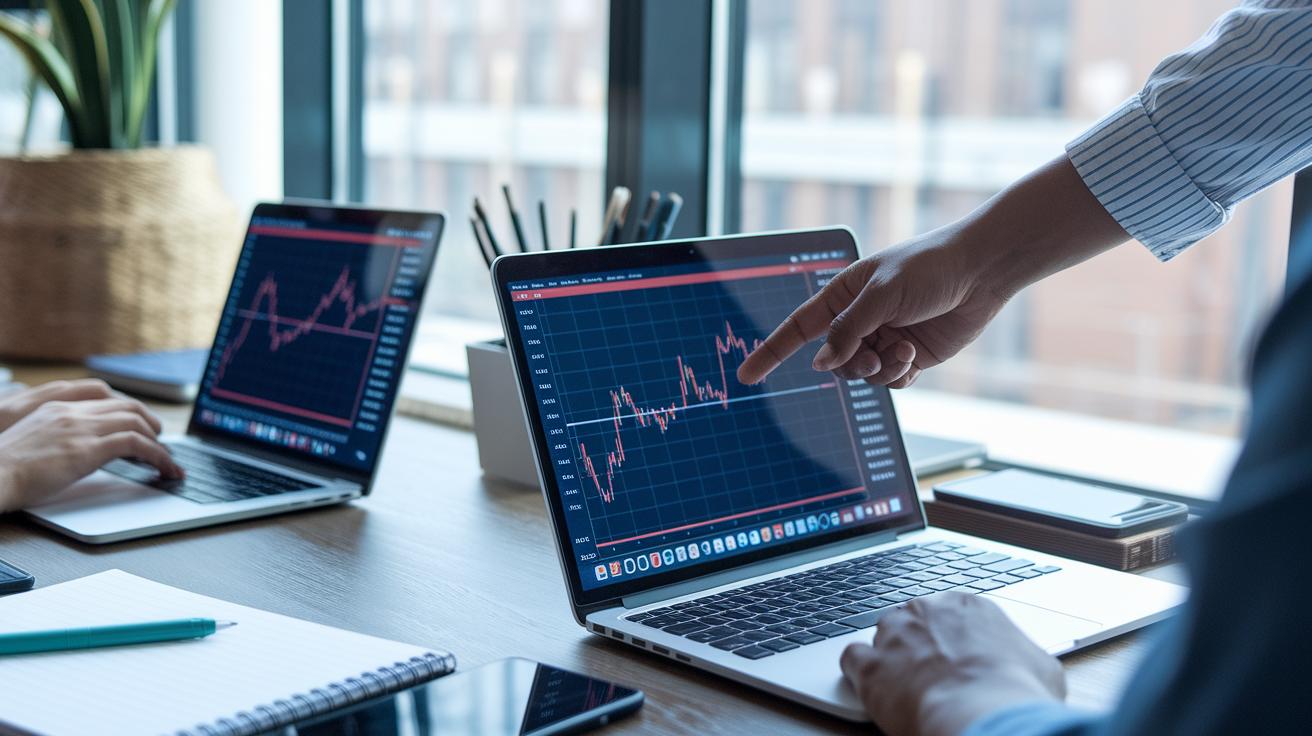
Testing your investment ideas with mock trades is like rehearsing before a big play. In this safe space, you work on your entry and exit rules, set how much you want to risk, and try stop-loss orders without worrying about losing real money. It's a chance to experiment and learn like you're practicing for the big game.
Trend Following Strategies
This method is all about riding the current of the market. You track price changes and adjust your simulated trades as trends evolve. Have you ever noticed how when a stock steadily climbs, it feels almost like it is on an upward path? That is your cue to capture the movement with a simulated trade, setting clear goals as you go.
Mean Reversion Strategies
Mean reversion strategies are based on the idea that prices will always find their average again. Imagine a swing that pushes you high before settling back to center. By testing these scenarios, you learn when prices may bounce back after a spike or a dip. This method helps you decide the best moments to hold back or take a risk in your simulation.
Scalping Techniques
Scalping means making many small trades to pick up tiny profits over brief periods. Think of it as catching raindrops in a quick shower. As you practice, this approach sharpens your reaction speed and helps you become more comfortable with fast-paced market moves by focusing on brief time windows.
Each of these strategies lets you fine-tune your trading style one step at a time. As you experiment and learn, you'll build the skills needed to trade confidently when you step into the real market.
Common Pitfalls in Paper Trading Practice and How to Prevent Them
Paper trading can feel really risk-free, so it's easy to get caught up in the excitement. But when you trade with virtual money, you might start thinking you have an endless bank account. This often leads you to take on trade sizes that are too big for real money. And then, when you trade live, that comfort can mask the strict discipline you need to handle actual market ups and downs.
Another hiccup is treating simulated trade strategies like they're foolproof. In real trades, you deal with things like slippage, a gap between the price you expect and the one you actually get, and the emotional rollercoaster that comes with using real cash. Without these challenges in paper trading, it's easy to assume that your methods will work without a hitch, only to find out they falter under real pressure.
The trick to staying on track is to build in some real-world checks during your paper trading. For instance, add strict risk-management rules like safe stop-loss points and imagine worst-case scenarios, think of it as testing your trade in a storm. By doing this, you'll train yourself to handle tougher market conditions and develop habits that matter when you start trading with actual money.
Transitioning from Paper Trading to Live Trading

Planning Your Real Trading Debut
When you're ready to trade with real money, start small. Begin with low-risk trades to gently step into the real market. Think of your first live trade like stepping onto a narrow bridge, you’ve practiced on the safe side, so now you watch every move carefully. Set clear, realistic goals that match your experience, and let these guide every step. It’s like testing a new recipe: you start with a small portion before serving the full dish.
Managing Emotions and Risks
Live trading brings new pressure because your own money is at stake. Every trade carries more weight, and the market's swings feel more personal. Stick with the risk measures you practiced, such as using stop-loss orders and setting strict risk rules. Track your progress and review each trade to spot patterns or adjustments you might need. And remember, managing how you feel is just as important as crunching the numbers. Treat every trade as a lesson that helps you build a steady and thoughtful approach in a world of unpredictable markets.
Final Words
In the action, this article broke down paper trading for beginners by highlighting its basics, step-by-step setup, top platforms, and strategy testing. Each section focused on learning the ropes without risking your funds. We also looked at common pitfalls and prepared a clear path for moving into live trading.
This guide gives you helpful insights that can boost your confidence and sharpen your market skills. Enjoy the learning process and keep progressing with your investments!
FAQ
Q: What does free paper trading for beginners mean?
A: Free paper trading for beginners means accessing a demo trading account that uses virtual funds and live data so newcomers can practice investments and test strategies without financial risk.
Q: What is a paper trading app for beginners?
A: A paper trading app for beginners is a digital tool that mimics real market conditions, allowing users to practice buying and selling with simulated money and learn basic trading skills.
Q: How is paper trading for beginners discussed on Reddit?
A: Discussions on Reddit about paper trading for beginners involve shared personal experiences, helpful tips on strategy testing, and guidance on selecting user-friendly platforms to start practicing trades.
Q: What is a paper trading simulator?
A: A paper trading simulator replicates real market behavior using demo money and real-time data, offering traders a risk-free way to experiment with different strategies in a realistic trading environment.
Q: What is the best paper trading platform for beginners?
A: The best paper trading platform for beginners combines ease of use, reliable real-time market data, and educational tools to help new traders build confidence and learn basic trading techniques safely.
Q: How does TradingView paper trading work?
A: TradingView paper trading allows users to execute simulated trades with virtual capital on a platform that provides real-time charting and analytics, helping traders test and refine strategies without risk.
Q: Is paper trading good for beginners?
A: Paper trading is beneficial for beginners because it offers a risk-free setting to understand market behavior, practice trades, and develop strategies without the pressures of real financial loss.
Q: Can I make $1000 per day from trading?
A: Making $1000 per day from trading is challenging and depends on advanced skills and market conditions, as consistent profits usually require experience, a solid strategy, and careful money management.
Q: Is $100 enough to start trading?
A: Starting trading with $100 is possible, though it may limit your position sizes and potential returns; it serves as a modest entry point to learn trading strategies and gradually build experience.
Q: What is the 3-5-7 rule in trading?
A: The 3-5-7 rule in trading is a guideline that helps traders set timing and exit strategies by planning entry points, holding trades for a defined period, and establishing clear exit conditions based on market movement.
Q: What is the Paper Trading FnO App?
A: The Paper Trading FnO App focuses on simulating futures and options trades, enabling users to practice complex instruments in a controlled, risk-free environment while testing various strategies.
Q: What are some popular virtual trading apps for beginners?
A: Popular virtual trading apps like Virtual Trading App 2.0, Stock Trainer, Neostox, and FinVedas offer simulated trading environments with easy-to-use features and real-time data, making them ideal for learning market dynamics.
