

Have you ever noticed how a simple conversation at your bank can spark real improvements? Banks do more than just keep your money safe, they guide you through loans, mortgages, and everyday transactions with a personal touch. Think of your bank as a wise friend who turns routine tasks into clear steps toward your goals. In this article, we'll explore how everyday banking makes your financial journey smoother and helps you feel secure and understood every step of the way.
Retail and Consumer Banking: Bright Future Insights
Retail and consumer banking is the everyday toolkit that helps us manage our money. It covers essential services like storing cash, getting personal loans and mortgages, and building savings. Think of bank branches as friendly stops where you can have a chat with someone who understands your needs, whether it's a quick transaction or planning for a big future goal. Ever walked into a branch and said, “I need help choosing the right personal loan”? That’s the kind of personal touch that makes all the difference.
These branches are often called the "front door" of your financial life because they offer real, face-to-face support in a warm, welcoming setting. It’s where you can discuss even the trickiest money matters with someone who cares.
Plus, retail banks take care of everyday tasks like depositing checks, transferring funds, and answering your account questions. This hands-on help builds trust and keeps the relationship strong, so you always feel supported as you manage your money.
Core Services in Retail and Consumer Banking
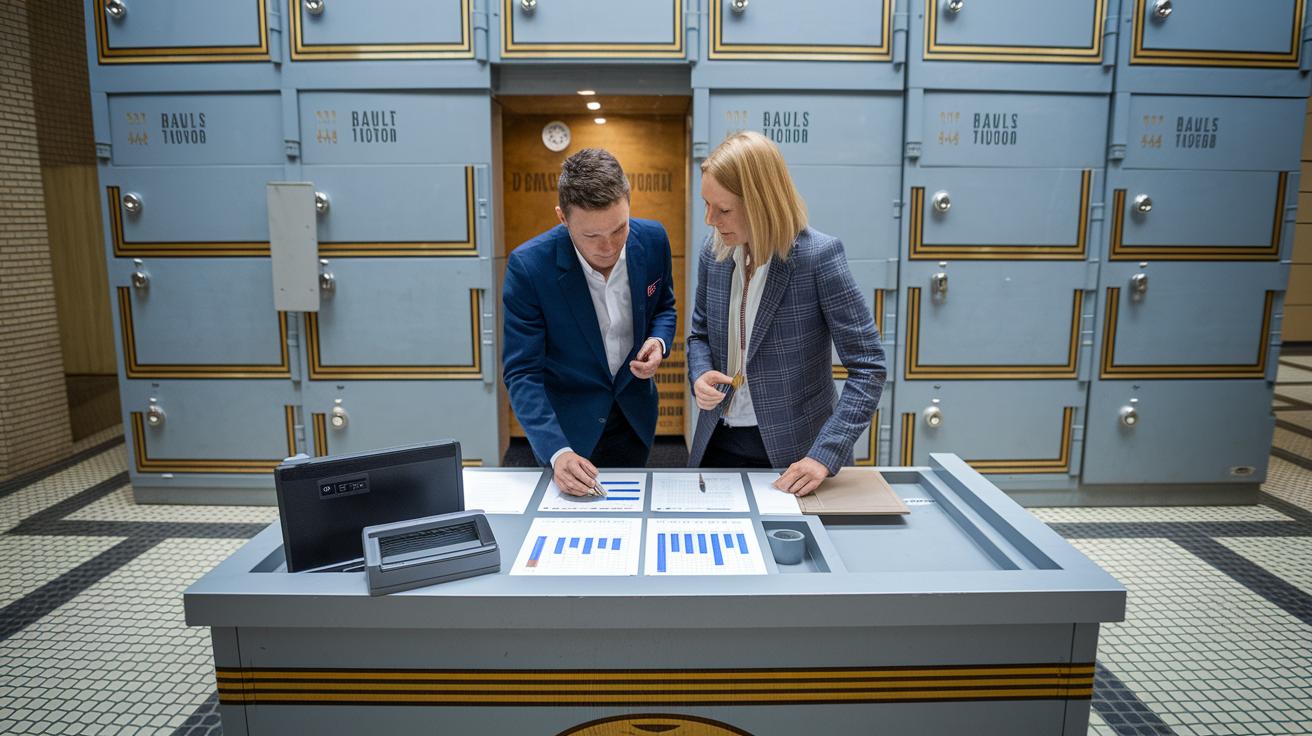
Imagine your bank as a handy tool that helps you take care of your money day by day. Banks offer a variety of services designed to keep your finances steady and help your money grow. Whether you're saving up for a special purchase or just taking care of everyday spending, these services are built to meet your needs with ease.
Here’s what you can find at your local bank:
- Savings and checking accounts that keep your money safe and accessible
- Personal loans and mortgages that help you finance big dreams like owning a home
- Credit and debit cards that make shopping and transactions simple
- ATM networks and teller services available when you need cash fast
- Financial advice and planning to help you set clear money goals
- Online and mobile tools that let you manage your accounts from anywhere
These offerings are set up to support you at every step of your financial journey. Banks combine both classic banking and modern digital tools so that whether you're handling daily transactions or planning for the future, you get help that feels just right and right on time.
Digital Banking Innovation in Retail and Consumer Banking
Retail banks are mixing modern technology with traditional services to give you a smooth banking experience. They offer strong online platforms and easy-to-use mobile apps that let you transfer funds, pay your bills, and even deposit checks using your smartphone. You can also open new accounts quickly with digital ID checks. Whether you’re using a mobile app, your computer, or visiting a branch with self-service kiosks, digital signs, or video teller machines, you get the same friendly service every time. Have you ever taken a picture of a check to deposit it? It’s that simple and fast.
| Digital Feature | Customer Benefit |
|---|---|
| Mobile check deposit | Convenience and speed |
| Real-time account alerts | Proactive account monitoring |
| Video teller machines | Extended service hours |
| Digital onboarding | Instant account activation |
These digital tools help make banking less about waiting in lines and more about managing your money your way. They let banks handle routine transactions quickly so they can focus on giving you personalized help when you need it. With automated systems and dedicated digital channels, you get fast support whether you're keeping track of everyday finances or planning a big new venture. In the end, this blend of smart technology and real human touch meets today’s needs for secure, flexible, and customer-friendly banking.
Branch Service Excellence and Human Interaction in Retail and Consumer Banking

Bank branches are evolving, shifting from simple transaction stops to places where you can get real financial advice. Nowadays, you can walk in and discuss issues like personal loans, savings plans, or investment ideas face-to-face. Instead of just completing errands, you get a chance to sit down and chat about your money matters.
The look and feel of branches have changed too. Many now have private areas designed for one-on-one or small business talks. These spaces let you have a confidential conversation with an expert who can help you plan your finances or discuss business loans.
The bank staff now play a key role in your community. They build genuine connections by understanding local needs and activities. Imagine meeting a banker who not only handles your transactions but is also familiar with nearby businesses and neighborhood events. This personal touch helps every customer feel understood and supported. In many cases, branch bankers even introduce customers to financial planners and small business advisors, turning themselves into trusted community guides.
Human expertise is still critical, especially when financial issues get complex. While digital tools are handy, nothing beats the comfort of an understanding word, a detailed conversation, or a reassuring nod from someone you trust.
Security, Compliance, and Risk Management in Retail and Consumer Banking
Banks work hard to earn your trust by keeping your personal information safe. They use advanced methods like strong encryption (a way to scramble data so only the right people can read it) and multi-factor authentication (extra steps like codes or fingerprint checks) to protect your details. Secure online portals also make sure every transaction is shielded from anyone trying to peek in. This rock-solid setup helps you feel confident every time you bank.
Banks are always on the lookout for any odd activity. They use real-time fraud detection tools to spot unusual transactions quickly. For example, if there’s an unexpected large transfer, you might get an alert and extra verification steps to confirm it’s really you. This fast response is like having a security guard who never sleeps.
To make sure everything runs by the rules, banks follow strict guidelines like Dodd-Frank, Basel III, and know-your-customer (KYC) rules, plus anti-money laundering practices. They mix these checks into their daily routines to fight financial crimes and stick to industry standards. When a bank does this, you know it’s operating within clear legal and ethical boundaries.
New technology is also stepping in to boost security even more. Imagine unlocking your account with your fingerprint or a quick face scan – it’s an extra layer of protection that goes beyond the old ways. These upgrades help banks stay ahead of risks while making your experience smoother and safer.
Customer Engagement and Personalization Strategies in Retail and Consumer Banking

Banks are working hard to build genuine relationships with you. They use smart, personalized messages so that every piece of advice feels like it comes from a friend who understands your money habits. This way, you feel valued and are offered the right solution exactly when you need it.
Here are a few simple tools they use:
- AI chat assistants available all day and night for quick help
- Simple number tricks that predict your needs and tailor special offers
- Loyalty programs that reward you based on your level of engagement
- Custom alerts on your phone that keep you updated on important opportunities
- Easy-to-follow multimedia tools that explain financial topics
These tactics come together to create a smooth and friendly service. For example, a custom phone alert might nudge you about a great saving option, while an AI chat assistant answers your queries right away. This thoughtful approach not only keeps you coming back but also helps you make smarter money choices and explore more services at your bank.
Distinguishing Retail and Consumer Banking from Private Banking
Private banking is tailored for individuals with high incomes, giving them personal attention that goes well beyond everyday banking tasks. Here, clients work closely with a dedicated advisor who helps manage investments, plan their wealth, and offer advice that fits their unique financial picture.
On the other hand, retail banking is made for everyday customers by providing a range of standard services such as savings accounts, personal loans, and mortgage options at affordable rates. In retail banking, you might start with a basic account until your assets grow enough to consider a more specialized service. Conversely, private banking developers hand-picked investment strategies and personalized loan options for those who need extra attention. Typically, retail banking uses a cost-effective pricing model, while private services are premium in price for the superior, custom care.
When your financial needs start to get more complicated, you might think about switching to private banking. It could be the right choice if you're after one-on-one guidance to help navigate more challenging financial terrain.
Future Outlook and Emerging Trends in Retail and Consumer Banking

Shopping and paying for everyday things is getting easier. More people are using mobile wallets and contactless payments, and these methods are growing fast each year. Think about it, tapping your phone at checkout can replace pulling out cash, making life a bit simpler.
Technology like AI and machine learning is also changing the game in banking. These smart systems help catch fraud as it happens and send you quick alerts if something unusual shows up on your account. It’s like having a silent helper who’s always watching out for you.
Banks are not stopping there. They’re setting up innovation labs and working with fintech partners through open banking APIs to explore new ideas like blockchain and digital identity solutions. These efforts aim to build a connected network of services that make managing money even more straightforward.
Looking ahead, banks are aiming for a world where every interaction feels seamless and personal. Imagine managing your money as easily as using your favorite app, simple, secure, and designed just for you.
Final Words
in the action, the blog highlighted the essential facets of retail and consumer banking. It explored how branches act as the initial point of connection, offering personal account management alongside innovative digital tools. The discussion touched on strong security practices, personalized customer engagement, and the nuanced differences from private banking. It also shed light on emerging trends and future expectations. All these insights work together to give you a clearer view of everyday financial management, making it easier to build confidence and make smart, informed decisions.
FAQ
Q: What is consumer and retail banking?
A: The consumer and retail banking refers to everyday banking services, including accounts, loans, and mortgages, provided through physical branches or online platforms to support common financial needs.
Q: What is an example of retail banking?
A: The retail banking example includes services like opening checking or savings accounts, issuing credit cards, processing personal loans, and managing day-to-day financial transactions via branches and digital channels.
Q: What is the difference between retail and consumer banking?
A: The difference between retail and consumer banking is that retail banking primarily offers everyday financial services through branches and online tools, while consumer banking often emphasizes personal account management and tailored financial solutions.
Q: What are the types of retail banking?
A: The types of retail banking include full-service banks, community banks, direct online banks, and credit unions, each offering unique sets of financial services for everyday customers.
Q: What are retail banking products and services?
A: The retail banking products and services cover checking accounts, savings accounts, loans, mortgages, credit and debit cards, and digital transaction tools designed to meet individual financial needs.
Q: What is retail banking salary?
A: The retail banking salary depends on the role, experience, and location, with positions ranging from tellers to advisors and managers, each reflecting different levels of responsibility and compensation.
Q: What are the 4 types of banks?
A: The four types of banks typically include retail banks for everyday transactions, commercial banks for business needs, investment banks for capital markets, and private banks for personalized wealth management.
Q: Where can I find a retail and consumer banking PDF?
A: The retail and consumer banking PDF often offers detailed explanations and examples; you can usually locate these resources on bank websites, university websites, or reputable financial education platforms.
