
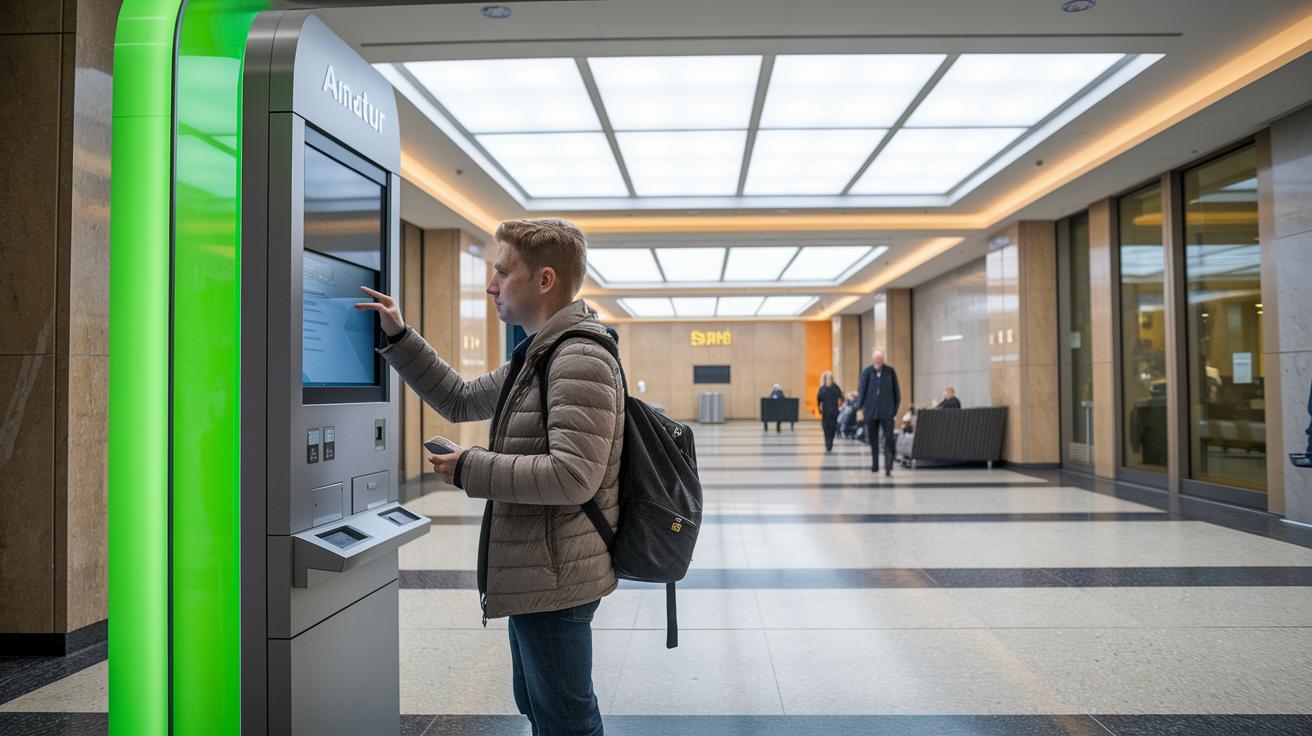
Have you ever thought banking had to be dull and stuck in the past? Today’s branches are changing that idea by mixing smart digital tools with a warm, inviting space.
Imagine stepping into a bank that feels like your favorite local spot, complete with interactive screens and self-service kiosks. While it’s true that so much can be done online, many folks still enjoy the friendly, personal touch that a well-designed branch offers.
This fresh approach not only speeds up service but also cuts down costs and makes every visit a bit more enjoyable.
Implementing Smart Branch Design: Core Principles & Benefits
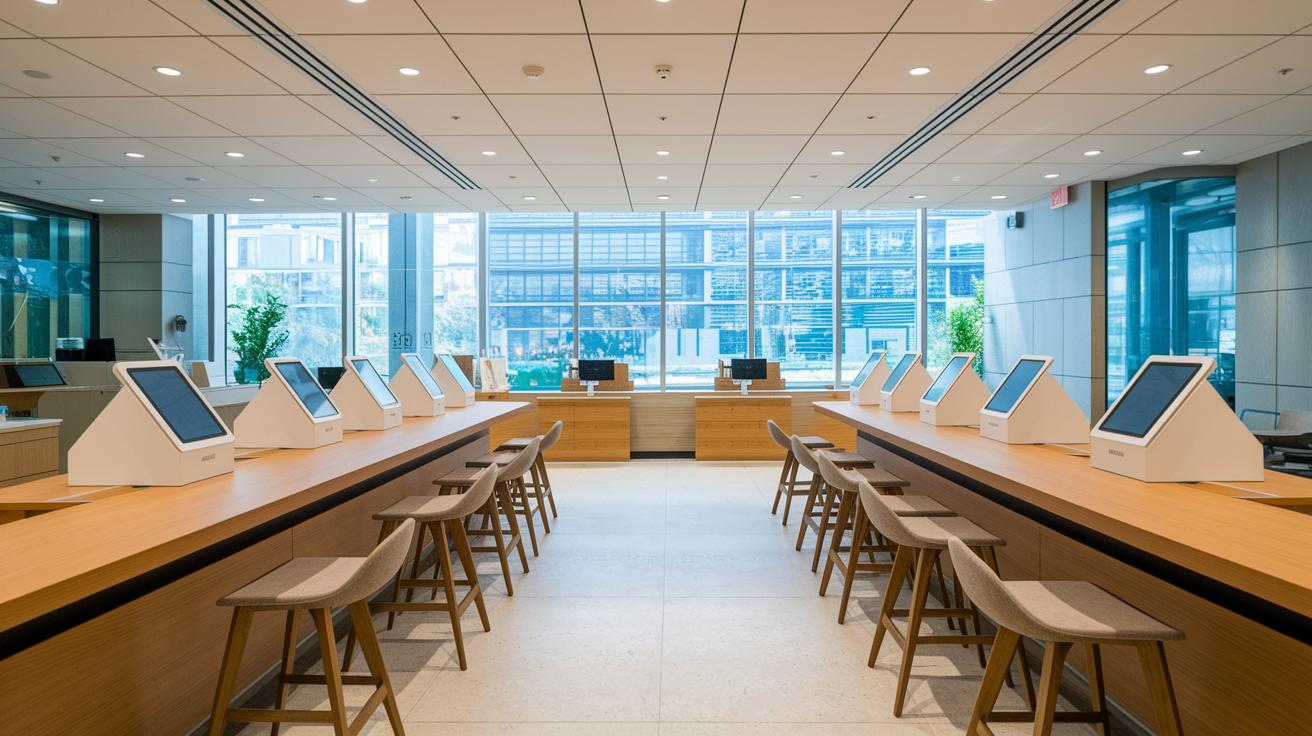
Smart branch design brings together a bank's physical space and smart digital tools to create a welcoming, modern setting. Banks are moving away from old, basic transaction centers and turning their branches into vibrant community spots filled with interactive touchscreens and self-service kiosks. Even though about 80% of everyday banking can be done without a teller, nearly 70% of customers still make a branch visit at least once every six months. It’s a bit like your local coffee shop that surprises you with cool tech features to enhance your experience.
The idea rests on four simple principles: a focus on user-friendly layout, the inclusion of digital tools, smooth day-to-day operations, and a commitment to being eco-friendly. A user-friendly layout means designing the branch so that everything is easy to find, much like setting up your living room for both comfort and style. Digital tools include gadgets such as tablets and smart ATMs that let you manage your account right there in the branch. Smooth operations come from smart workflow and technology that cut wait times and streamline tasks. And on the eco side, many branches now use energy-saving lights and recycled materials to help care for our planet.
These ideas make a real difference. Faster, easier service means you can complete your banking quickly – just like a well-organized checkout line. Better efficiency lowers costs by reducing unnecessary labor and maintenance. Plus, mixing technology with a warm, inviting space builds trust and loyalty among customers while giving banks a fresh edge in a competitive market.
Tech Foundations of Smart Branch Design in Banking

Technology plays a central role in how banks design their branches today. It blends digital tools with physical spaces so that customers have a smoother, more engaging experience. Imagine upgrading from a simple cash register to a smart kiosk that seems to know what you need.
Banks are now using smart devices to simplify complex transactions. For example, TD Bank’s pop-up branch features iPads with special software and ATMs that can handle everything from giving out cash to guiding customers on their mobile apps. Similarly, PNC’s mobile branch is run by a consultant with an iPad, offering live demos of a Virtual Wallet along with a Smart ATM that cashes checks and processes deposits, even dispensing $1 bills. Wells Fargo introduced its micro market branches back in 2013. These branches use paperless workflows, large-screen ATMs that predict common transactions, issue debit cards instantly, send eReceipts, offer free Wi-Fi, and support Apple Pay. National Australia Bank takes it further with its Smart Store, which uses iPads, touchscreens, and machines that handle up to 50 checks or banknotes at once, and even set up mobile demo bars.
These tech improvements speed up transactions and reduce errors by automating routine tasks, which means fewer mistakes and faster service. This fresh approach makes banking more efficient and builds customer trust by easily handling complicated tasks. Have you ever thought about how a few smart gadgets can change an entire banking visit?
Smart Branch Design in Banking: Real-World Case Studies

Some leading banks are trying out fresh ideas by mixing digital self-service with inviting new branch designs. They’re designing spaces where technology and a welcoming atmosphere work together to make banking faster and friendlier. Take a look at the table below for five real-life examples from top banks.
| Bank | Branch Concept | Key Technologies | Distinctive Features |
|---|---|---|---|
| TD Bank | Pop-up Branch | iPads with custom software; advanced ATMs | Digital self-service with guided mobile banking app usage |
| PNC Bank | Portable Branch | iPad for Virtual Wallet demonstrations; Smart ATM | Single consultant support; check cashing and $1 bill dispensing |
| Wells Fargo | Micro Market Branch | Paperless workflows; large-screen ATMs; instant debit card issuance | Wireless tablets; free hotspots; integrated eReceipts and Apple Pay |
| Umpqua Bank | Upscale Café-Style Branch | Mobile concierges; interactive touch screens; digital kiosks | Café ambiance; outdoor lounges; free loaner bike |
| National Australia Bank | Smart Store Branch | iPads; touchscreens; high-capacity deposit machines; mobile demo bar | Streamlined self-service; in-person guidance for digital sign-up |
Looking over these examples, a few things really stand out. Banks that combine smart digital tools with refreshed, well-designed spaces see happier customers and stronger service mixes. They enjoy smoother daily operations and lower costs, while also carving out a unique identity in a busy market. In short, using modern technology along with welcoming layouts helps banks handle both everyday tasks and more complex needs, making banking easier and more enjoyable for everyone.
Designing Customer-Centric Smart Branch Layouts in Banking
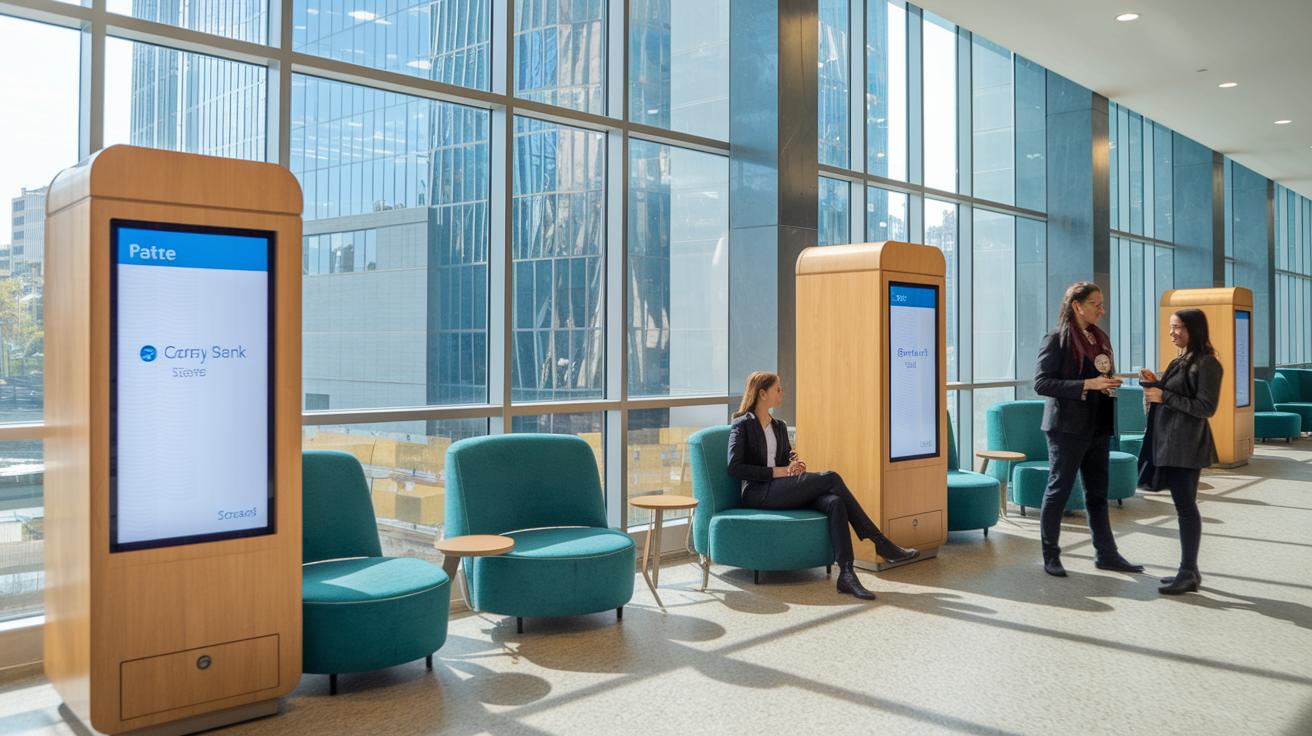
In the past, bank branches were mostly about transactions. Today, they resemble friendly community spots where you feel at home. Banks now blend comfy furniture, private spaces for chat, and interactive displays so every customer feels welcome and looked after. It’s where handy technology meets warm service for a more personal banking experience.
Nowadays, branches aren’t built just for speed, they’re designed to feel inviting too. They mix quick self-service options with areas for in-depth, face-to-face talks about your finances. You can find spots for private chats as well as group discussions, making sure everyone gets the help they need. This balance of efficiency and a personal touch is shaping the future of banking.
- Personalization kiosks that update your account right away.
- Flexible seating for both solo visits and group discussions.
- Digital screens that manage lines and highlight special offers.
- Private video booths for loan advice and wealth planning.
- Interactive demo areas for mobile banking and new finance apps.
By adding these features, banks create spaces where you naturally want to engage and feel important. When they focus on personal touches and clear, friendly service, every visit feels meaningful. This smart blend of technology and a welcoming design doesn’t just speed up tasks, it builds trust and loyalty. A smart branch isn’t just a place to do business; it becomes a dynamic spot that invites open conversation and keeps you coming back.
Integrating Sustainability & Security in Smart Bank Branch Design
Banks are now turning to green practices by switching to LED lighting, using recycled fixtures, and installing energy-management systems to cut down on carbon emissions. It’s like giving an old machine a smart upgrade, you end up reducing waste and running things more efficiently, all while caring for our planet.
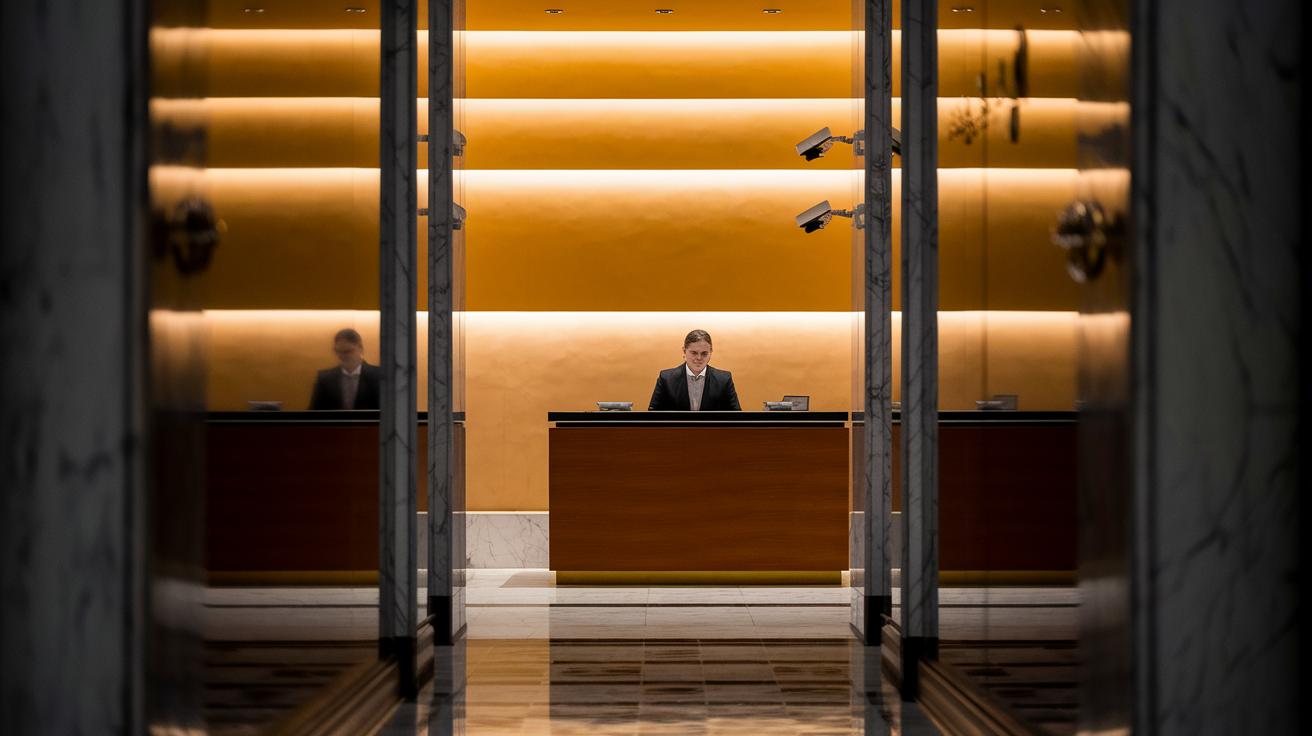
At the same time, banks work hard to protect your personal data. They use secure systems for access, add extra steps like multi-factor checks (which means confirming your identity in more than one way), and rely on encrypted networks to keep information safe. They also set up video cameras and backup plans for any sudden issues. For more details on these security practices, check out Customer Data Protection.
By combining eco-friendly changes with strong security measures, banks show they can be both green and safe. They design branches with open, comfortable layouts while ensuring there are secure spots for private chats. This careful blend of sustainability and safety builds trust and proves that smart branch design can meet today’s challenges without compromise.
Future Trends in Smart Branch Design for Banking: Inspiring Digital Efficiency
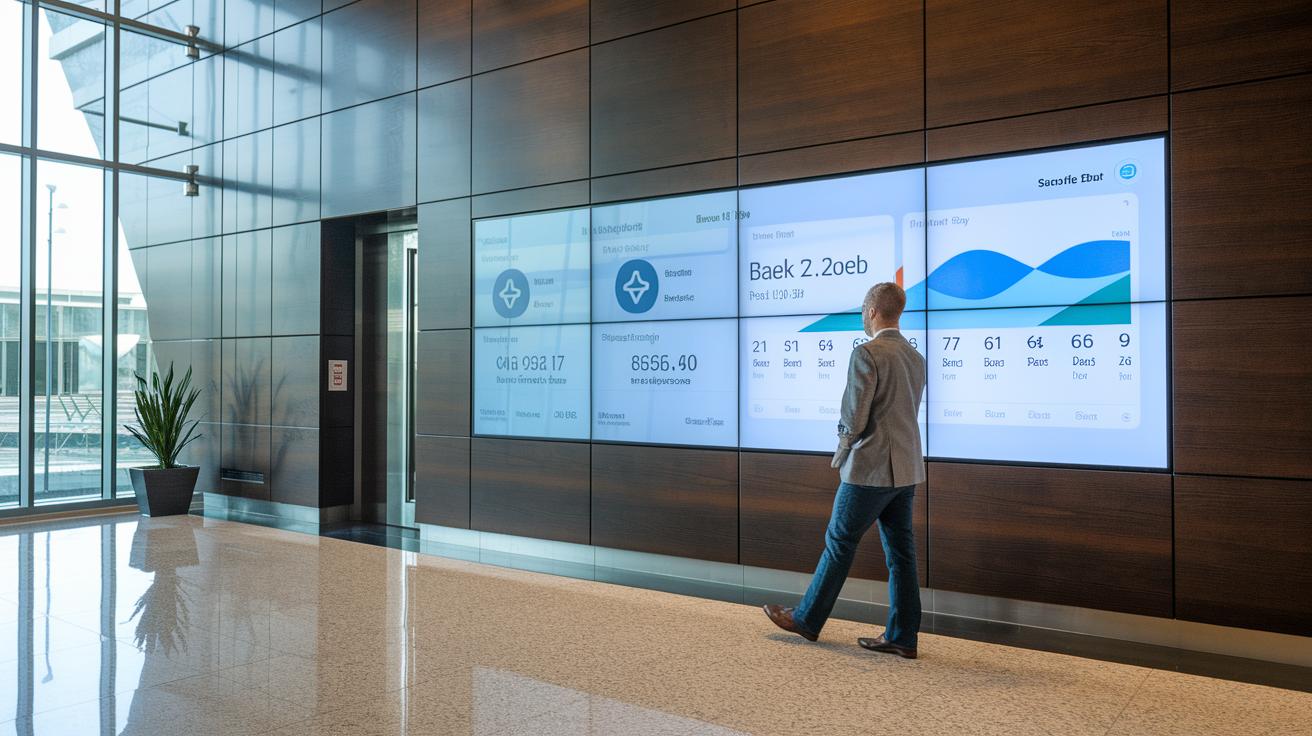
Banks are rethinking how their branches look and feel by mixing smart digital tools with spaces that can change on the fly. Imagine walking into a bank where your digital dashboard adjusts instantly to your needs, while secure tech safeguards your identity. It’s a new way to serve customers that feels both modern and personal.
AI-Driven Personalization: adaptive in-branch interfaces and advisory bots
Banks are now using AI that tailors experiences in real time. This means you might see a screen that shifts its layout based on what you do, almost like it’s reading your mind. And yes, advisory bots are on hand, offering tips and financial advice that fits you, making every visit feel more like a conversation with a friend.
Blockchain-Enabled Security: decentralized ledgers for identity and audit trails
With blockchain technology, banks are keeping your information super secure. Think of it as a digital lock that only you and the bank can open. This technology creates record systems that cut down on fraud and speed up processes like identity checks and settlements. It’s all about making customers feel safe and sound.
Modular & Flexible Branch Structures: plug-and-play counters, mobile units, pop-up concepts
Branch designs are getting a major upgrade with flexible, ready-to-go elements. Imagine plug-and-play counters, mobile units, and even pop-up branches that can appear when needed. These setups let banks quickly adjust to local demands and new tech trends, ensuring that the physical space works just as well as its digital side.
Together, these trends are setting the stage for a new era in banking where digital personalization, robust security, and adaptable branch designs work in harmony to meet changing customer needs.
Final Words
In the action, we reviewed how modern banks update their spaces with smart layouts that blend digital tools and inviting environments. The article covered design principles, tech advances, real-life case studies, and emerging trends that drive improved service and customer trust.
This refreshed approach gives banks the chance to boost efficiency while keeping clients confident and engaged. Smart branch design in banking is paving the way for efficient, secure service environments that make financial decisions easier and more rewarding.
FAQ
Q: Types of smart branch design in banking
The types of smart branch design in banking include branches that combine digital self-service tools, flexible physical spaces, and integrated service zones, all focused on enhancing customer engagement and streamlining operations.
Q: Smart branch design in banking pdf
The smart branch design in banking pdf typically outlines strategies that mix physical layout improvements with digital enhancements to boost service speed, customer experience, and operational efficiency.
Q: Smart branch design in banking example
The smart branch design in banking example shows a layout that merges digital kiosks, adaptable seating, and automated processes, resulting in both fast routine transactions and personalized financial consultations.
Q: Smart branch design in banking 2022
The smart branch design in banking 2022 reflects current trends where branches integrate digital kiosks and flexible, welcoming spaces that support both automated transactions and customer-driven interactions.
Q: McKinsey retail banking
The McKinsey retail banking report highlights how traditional branches are being transformed into digitally integrated, customer-focused centers that streamline processes and improve overall client satisfaction.
Q: What is Smartbranch?
The term Smartbranch describes a bank branch redesigned with digital tools and flexible layouts to offer quick, seamless transactions and a personalized, customer-friendly experience.
Q: What are the 7 P’s of banking services?
The 7 P’s cover product, price, place, promotion, process, people, and physical evidence, which guide banks in creating comprehensive, appealing service experiences for their customers.
Q: What are the 4 pillars of banking?
The 4 pillars of banking usually involve trust, efficiency, innovation, and security, forming the base for strong operations and lasting relationships between banks and their customers.
Q: Are banks still using Cobol?
Many banks still use Cobol because its stability handles high-volume transactions, although some institutions are slowly updating to newer technologies for improved system performance.
